Suspected Second-generation Planet Solves NASA Hubble Cold Case
Story summary
New analysis of archival Hubble data points to the possibility of “dead” white dwarf stars hosting second-generation planetary systems.
📌 Key Highlights & Takeaways
- New analysis of archival Hubble data points to the possibility of “dead” white dwarf stars hosting second-generation planetary systems.
About Hubble The History of Hubble Hubble Timeline Why Have a Telescope in Space? Hubble by the Numbers At the Museum FAQs Impact & Benefits Hubble’s Impact & Benefits Science Impacts Cultural Impact Technology Benefits Impact on Human Spaceflight Astro Community Impacts Science Hubble Science Science Themes Science Highlights Science Behind Discoveries Universe Uncovered Hubble’s Partners in Science Hubble & Citizen Science AI & Hubble Science Explore the Night Sky Observatory Hubble Observatory Hubble Design Mission Operations Science Operations Astronaut Missions to Hubble Hubble vs. Webb Hubble vs. Roman Team Hubble Team Career Aspirations Hubble Astronauts Multimedia Images Videos Online Activities e-Books Sonifications Podcasts 3D Hubble Models Lithographs Fact Sheets Posters Hubble on the NASA App Glossary News Hubble News Social Media Media Resources 35th Anniversary More Online Activities 5 Min Read Suspected Second-generation Planet Solves NASA Hubble Cold Case
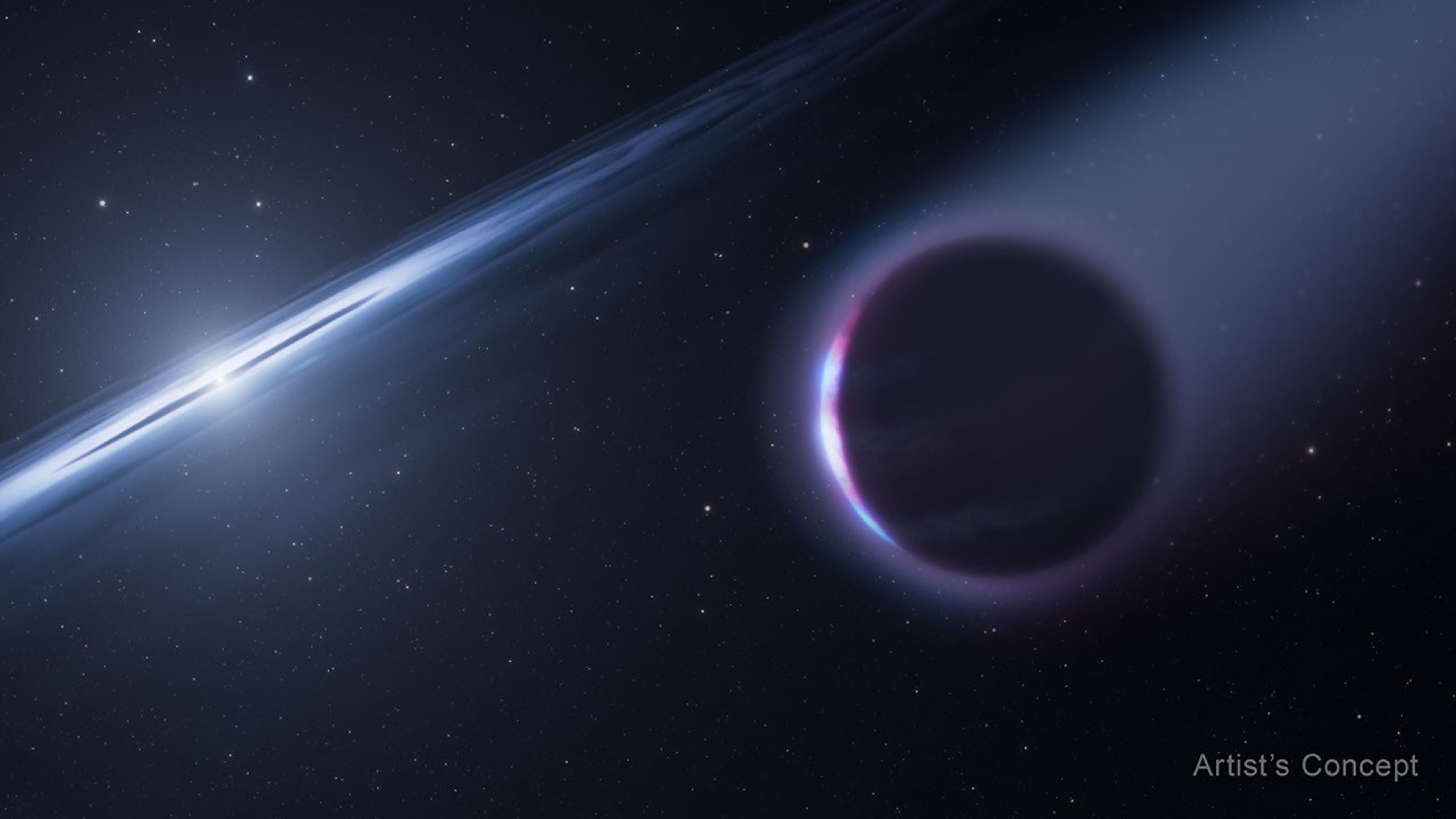
Diligent sleuthing by astronomers has broken open a cold case in the data archive of NASA’s Hubble Space Telescope . In a study published Monday in Nature Astronomy, researchers report uncovering a surprising chemical clue that indicates the white dwarf star HS 0209+0832 may host a second-generation planet.
A white dwarf is the remnant core of a low-mass star that has burned through all its nuclear fuel and lost its outer envelope of gas and dust to space. A second-generation planet is a world that forms around the stellar remnant from its cast-off material.
“Rather than the white dwarf stage being a kind of epilogue to the story of a star and its planets, this research points to the systems we are familiar with only being the first chapter of a potentially much longer tale, with some new characters showing up. That’s a really exciting prospect to pursue,” said Jamie Williams, astronomer and lead author, a doctoral candidate at the University of Warwick in the United Kingdom.
Earth and the other planets in our solar system are first-generation planets, which form from material left over from a star’s birth.
“What Hubble is showing us in this white dwarf system is something we haven’t seen before: a high abundance of the element niobium, the signature of which I was unfamiliar with when I first found it in the archival data,” Williams said.
When Hubble first observed the star in 1999, the data contained roughly 100 chemical features that could not be identified. Williams went back to those records armed with an updated chemical database and found that niobium matched many of the mystery features.
Williams explained that, while niobium is found in our solar system and has multiple uses on Earth, including in jewelry and medical imaging devices, the amount Hubble found in the HS 0209+0832 system points to a planet forming not from a star’s birth, but from the material ejected as it dies.
Editorial Text & Content Analyzer
Analyze real-time word count, reading speed, and text density metrics on the fly.
Source: NASA.
Read the full story at the original source ↗
For questions: mrsmithcons@gmail.com.
❓ Frequently Asked Questions (James Webb Intel Briefing)
What orbital telemetry or sensor data corroborates this James Webb Intel discovery?
Multi-spectral satellite imagery, radar altimetry, and space agency observational feeds provide calibrated observational data confirming the parameters of this event.
How does this observation impact current aerospace and geospatial modeling?
The recorded metrics refine atmospheric correction algorithms and orbital ephemeris models, enabling higher resolution tracking and trajectory accuracy.
When is the next telemetry downlink or public briefing scheduled?
Real-time space agency mission updates and satellite overpass data are ingested continuously through FreeSky Cosmos tracking desks.
🔭 Full 4K Astrophotography Dossier & Scientific Analysis
Raw multi-band infrared composite data, spectral graphs, and mission notes.
⚡ Access Cosmic Dossier ➔More from FreeSky Cosmos
 ⚡ CyberTech 568
OpenAI launches visual ads that appear alongside image generation results
OpenAI said the new visual ads will show up after your image generation results appear in the U.S. only for no...
 🛰️ FreeSky Aerial
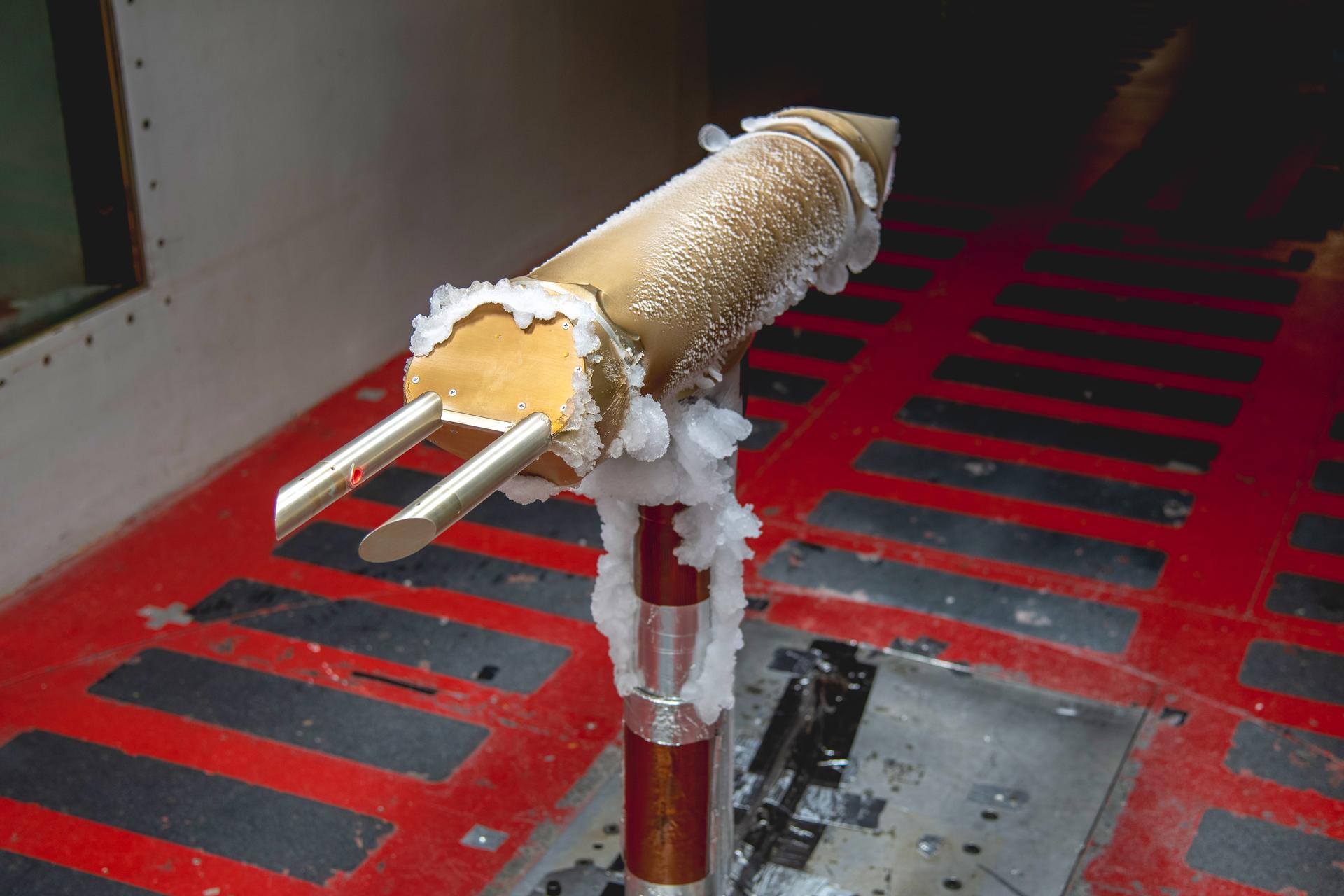
NASA Testing Aims at Supercooled Large Droplet Aviation Safety
NASA is leveraging its expertise and enhancing its test facilities to help address a rare but persistent aviat...
 🤖 WinBar AI
Maine monitors sportsbook AI use as other states consider restrictions
Breaking coverage reported by Yogonet: Maine monitors sportsbook AI use as other states consider restrictions....
 ☁️ FreeSky Cloud
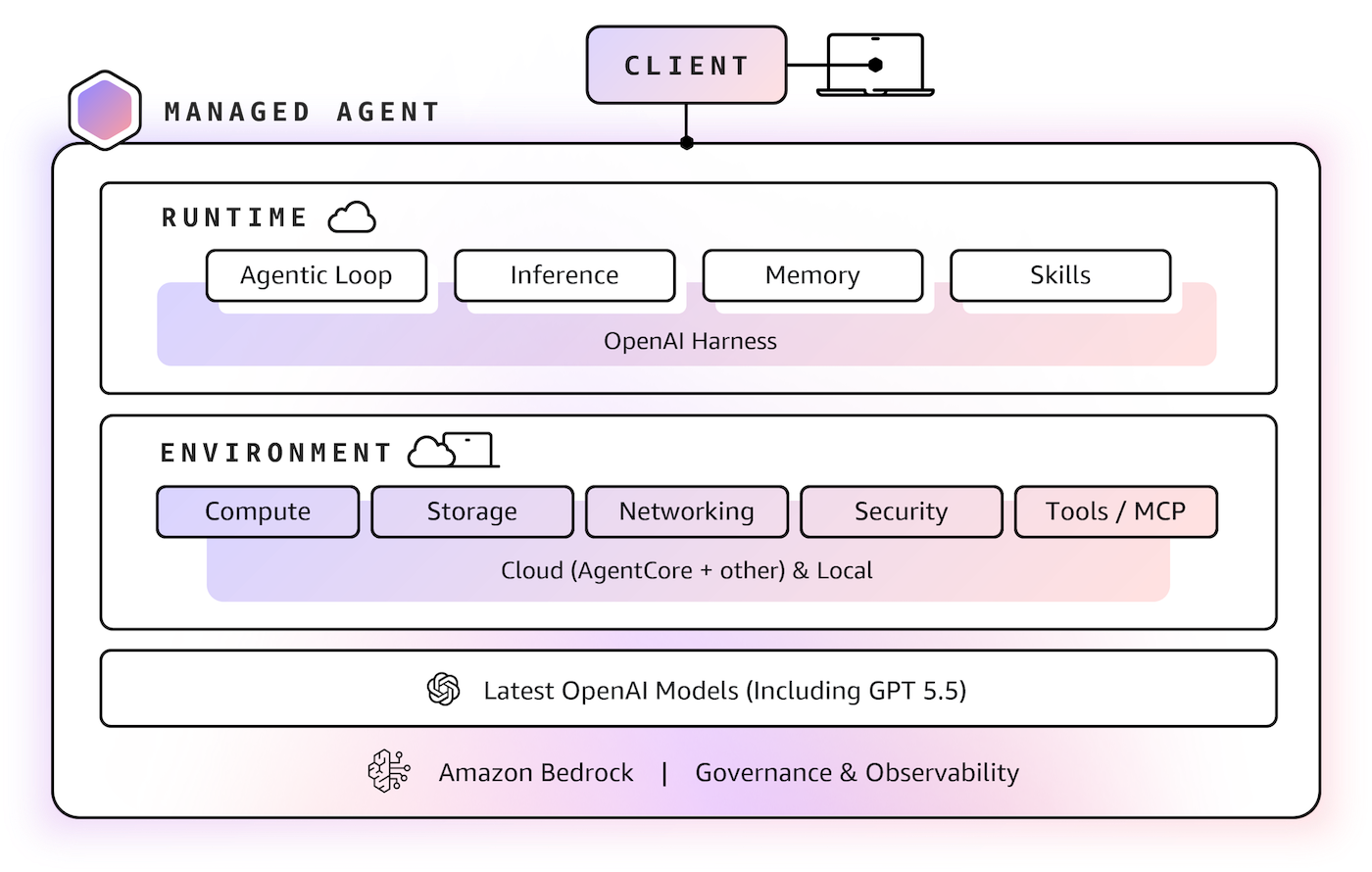
AWS Weekly Roundup: Amazon Bedrock Managed Agents powered by OpenAI, Q3 service availability updates, Kiro workflows, and more (October 5, 2026)
Last week, we announced a public preview of Amazon Bedrock Managed Agents powered by OpenAI, built on a custom...