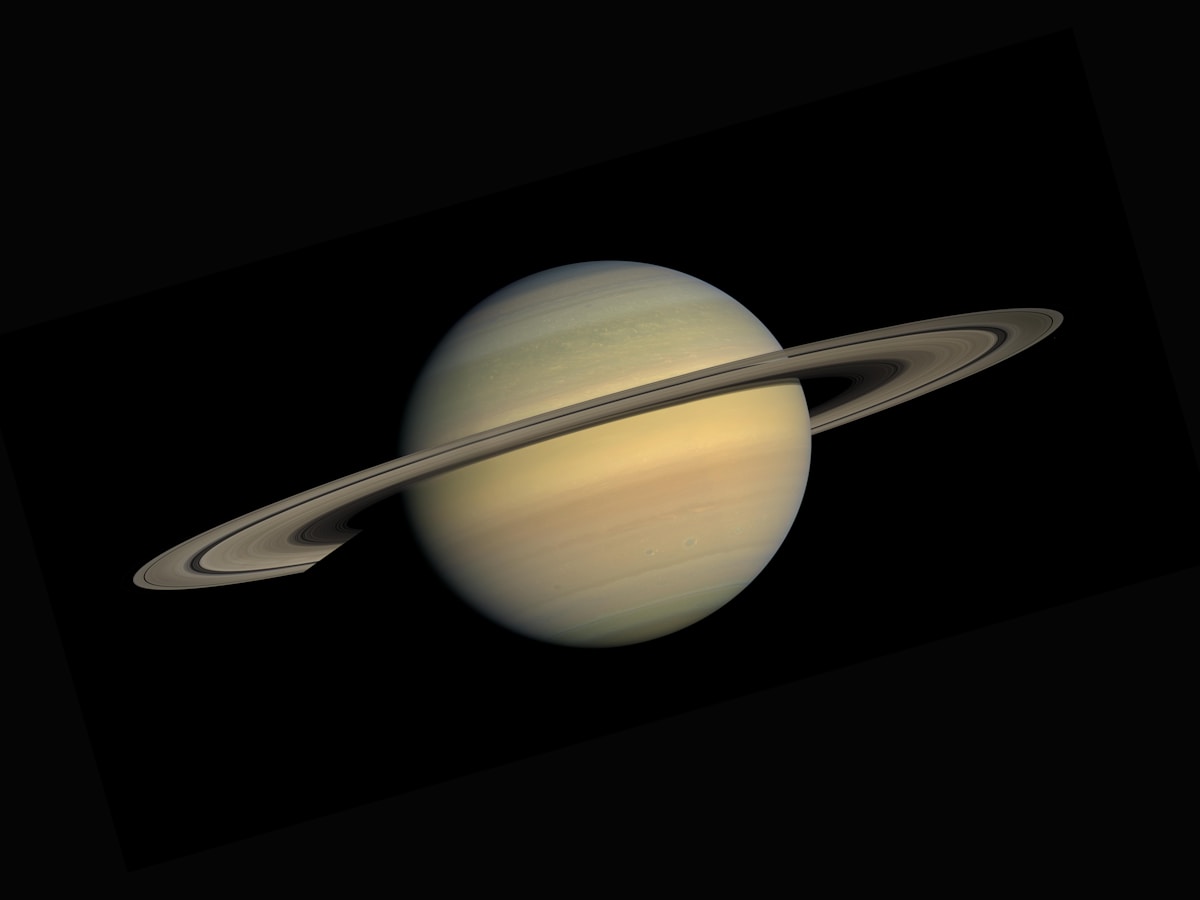
Saturn's rings are visible in ordinary 10x50 binoculars if you know what to look for and hold them steady. This guide covers timing, technique, and realistic expectations.
Archive: October 2026
189 stories published in October 2026
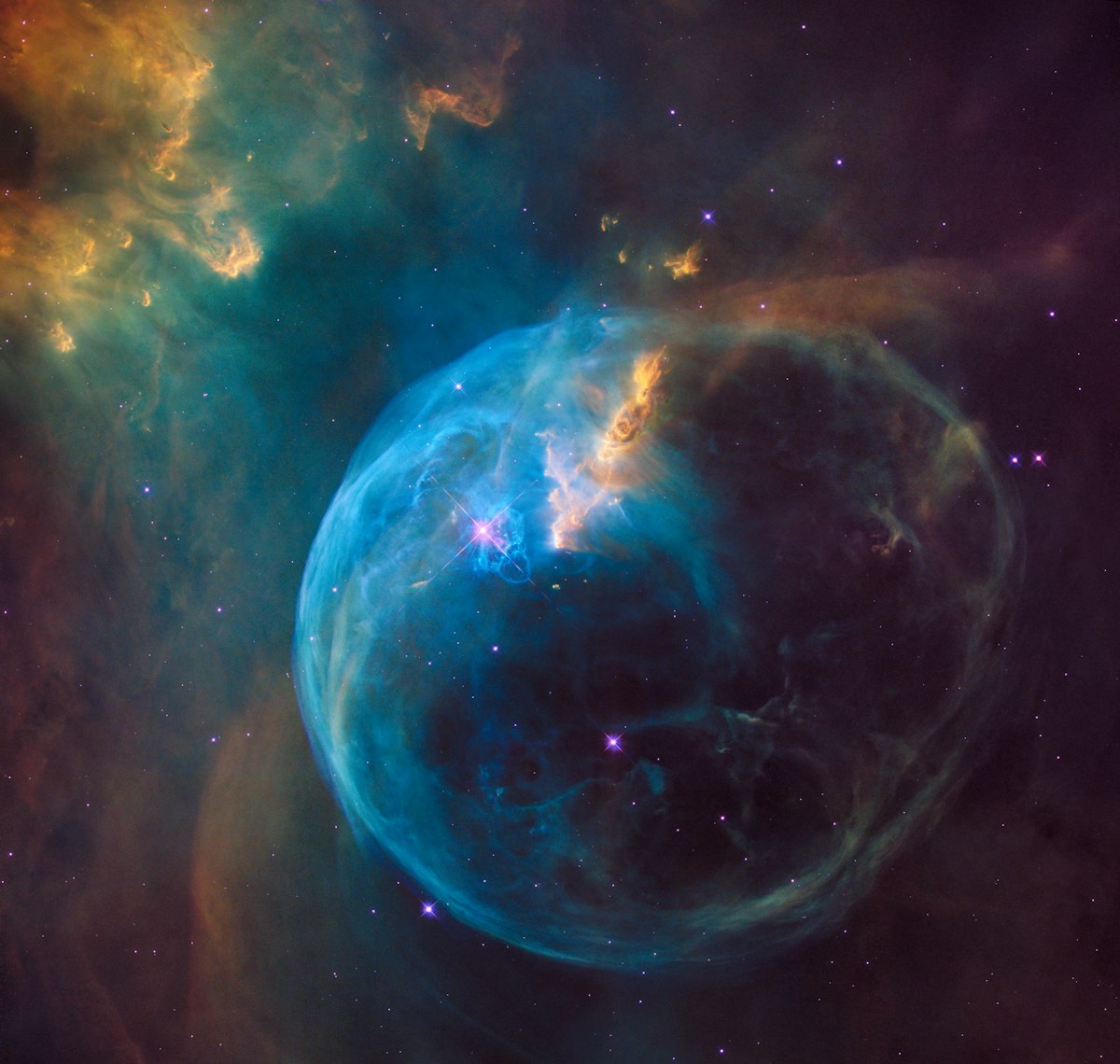
Nebulae are the glowing clouds of gas and dust where stars are born and where dying stars leave their mark. This guide explains the main types, the famous examples, and how to see them yourself.
The Geminids are the year's most reliable meteor shower, with bright, slow meteors and a broad peak. This guide covers the best nights, the best hours, and simple techniques that genuinely improve your count.
Meteor showers need no telescope — just dark skies, patience, and good timing. Here are the best showers of 2026 and how to watch them well.
🎬 Shorts & Reels
James Webb Space Telescope Delivers 4K Amazing View Of Spiral Galaxy
Rogue Black Hole 5000 Light Years Away - Hubble Finds Evidence
SpaceX Starship Single Engine Test Fire Simulates Flight 7 In-Space Burn
Slow Motion Footage Of SpaceX Starship Launching 'Shockwaves'
James Webb Space Telescope: 4K Mind-Boggling View Of 'Exploded Star'
You can spot Venus, Jupiter, Mars, and Saturn with the naked eye. The trick is knowing they shine steadily, move slowly, and follow the ecliptic.
Space-tourism inquiries arrive from every time zone at every hour. An AI voice receptionist answers your line 24/7, captures booking inquiries, and texts back anyone it misses.
Space prospects do not leave voicemails — they research your competitor. An instant missed-call text-back gives every unanswered inquiry a second chance.
Your best inquiries arrive across every time zone. An honest comparison of extended staff hours, traditional answering services, and AI — with real costs.
One missed call is not a voicemail — it is a booking worth tens of thousands walking to a competitor. The step-by-step math, with every estimate labeled.
Hire bookings staff, pay an answering service, or use AI? Honest monthly costs, hidden tradeoffs, and where each option actually wins for space-experience businesses.
Step-by-step guide to spotting a Falcon 9 night launch from hundreds of miles away using ordinary binoculars — timing, location, and what to look for.
Turn your binoculars into a telephoto lens: a practical step-by-step method for capturing sharp moon photos with just your smartphone.
Beyond videos and webcasts: the light, the delayed rumble, the crowd energy — what experiencing a real rocket launch in person is actually like.
The October 13, 2026 CRS-35 launch painted a glowing jellyfish across the dawn sky. Here is how to photograph the next one with just your phone.
The science behind the glowing space jellyfish seen after the October 13, 2026 SpaceX launch — twilight geometry, ice crystals, and upper-atmosphere physics.
Not a UFO — the science of the Starlink satellite train: batch deployments, reflected sunlight, and why the line of lights fades within days.
One bright dot or a line of many? A 5-step method to tell the ISS apart from a Starlink train — and from planes and meteors too.
Jupiter is a late-night naked-eye target this autumn. Six steps to find the giant planet tonight using the twinkle test and a free sky app.
The James Webb Space Telescope's s MIRI and NIRCam instruments have captured an amazing view of spiral galaxy NGC 2090. The galaxy is about 37 million light years away in the Columbia constellation. Also, see a view of NGC 2090 from the Hubble Space Telescope. Credit: Space.com | ESA/Webb, ESA/Hubbl
APOD Science APOD APOD: 2026 October 18 –… Today’s APOD Archive Submissions Index Search Calendar RSS Education About Discuss APOD Astronomy Picture of the Day Discover the cosmos! Each day a different image or photograph of our fascinating universe is featured, along with a brief explanation writte
The Hubble Space Telescope has found evidence of a "wandering" black hole about 5000 light years away in the Milky Way galaxy. Astronomers estimate that there could be 100 million black holes wandering around our galaxy. Credit: NASA Goddard Space Flight Center
Watch how a single engine on the flight 7 SpaceX Starship was test fired to simulate an in-space burn. Credit: Space.com | footage courtesy: SpaceX | edited by Steve Spaleta
The incredible power of SpaceX Starship is on display in slow motion footage that show shockwaves propagating from the launch. Also, see slow motion footage of the atmospheric re-entry of Starship. Credit: Space.com | footage courtesy: SpaceX | edited by Steve Spaleta
Explore one of the most famous supernova remnants in our galaxy, Cassiopeia A, as seen through the powerful eyes of the James Webb Space Telescope. The detailed NIRCam image uncovers the beautiful and chaotic web of gas and dust left behind by a cosmic cataclysm. Credit: Space.com | footage courtesy