The James Webb Space Telescope's s MIRI and NIRCam instruments have captured an amazing view of spiral galaxy NGC 2090. The galaxy is about 37 million light years away in the Columbia constellation. Also, see a view of NGC 2090 from the Hubble Space Telescope. Credit: Space.com | ESA/Webb, ESA/Hubbl

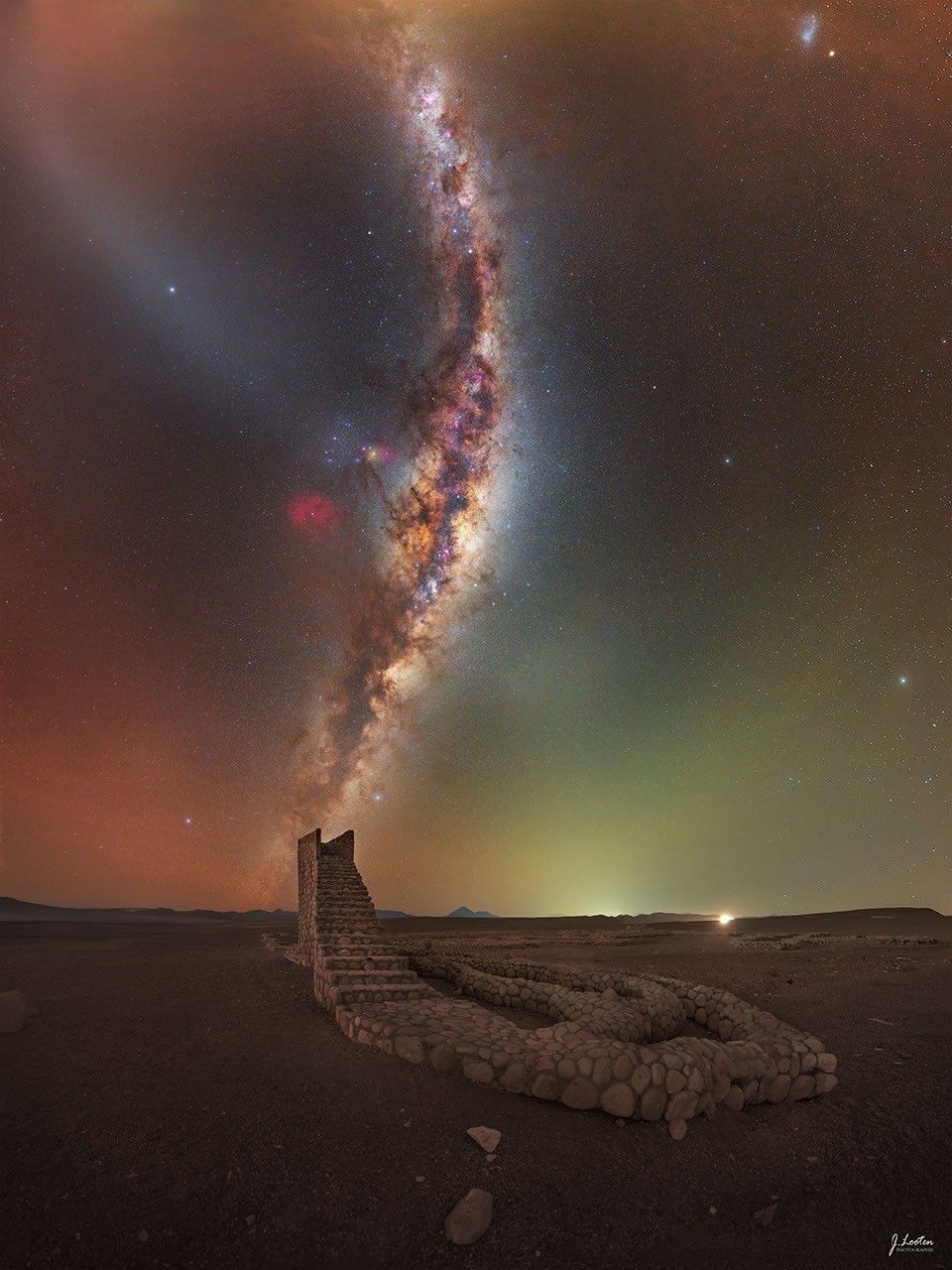
APOD Science APOD APOD: 2026 October 18 –… Today’s APOD Archive Submissions Index Search Calendar RSS Education About Discuss APOD Astronomy Picture of the Day Discover the cosmos! Each day a different image or photograph of our fascinating universe is featured, along with a brief explanation writte
The Hubble Space Telescope has found evidence of a "wandering" black hole about 5000 light years away in the Milky Way galaxy. Astronomers estimate that there could be 100 million black holes wandering around our galaxy. Credit: NASA Goddard Space Flight Center
Explore one of the most famous supernova remnants in our galaxy, Cassiopeia A, as seen through the powerful eyes of the James Webb Space Telescope. The detailed NIRCam image uncovers the beautiful and chaotic web of gas and dust left behind by a cosmic cataclysm. Credit: Space.com | footage courtesy
🎬 Shorts & Reels
James Webb Space Telescope Delivers 4K Amazing View Of Spiral Galaxy
Rogue Black Hole 5000 Light Years Away - Hubble Finds Evidence
James Webb Space Telescope: 4K Mind-Boggling View Of 'Exploded Star'
'Violent' Galactic Merger Captured By ESO Telescopes
James Webb Space Telescope Reveals Oldest Known Galaxy
Webb Telescope's Cosmic 'Technicolor Dreamscape'
Amazing Galactic Imagery via James Webb Space Telescope
James Webb Space Telescope - Captures Amazing View Of Galactic Fusion
James Webb Space Telescope: Dazzling 4K View Of The N79 Nebula
What If the Moon Disappeared Tomorrow? Mind-Blowing Consequences
Rapid Expansion Of Wolf-Rayet 140 Dust Shells Captured Via James Webb Space Telescope
James Webb Space Telescope Captures Stunning View Of Spiral Galaxy NGC 2283
Watch The Far Side Of Moon As It Comes Between Earth And Spacecraft
James Webb Space Telescope: Breathtaking 'Face-On' Views Of 19 Spiral Galaxies
APOD Science APOD APOD: 2026 October 17… Today’s APOD Archive Submissions Index Search Calendar RSS Education About Discuss APOD Astronomy Picture of the Day Discover the cosmos! Each day a different image or photograph of our fascinating universe is featured, along with a brief explanation written
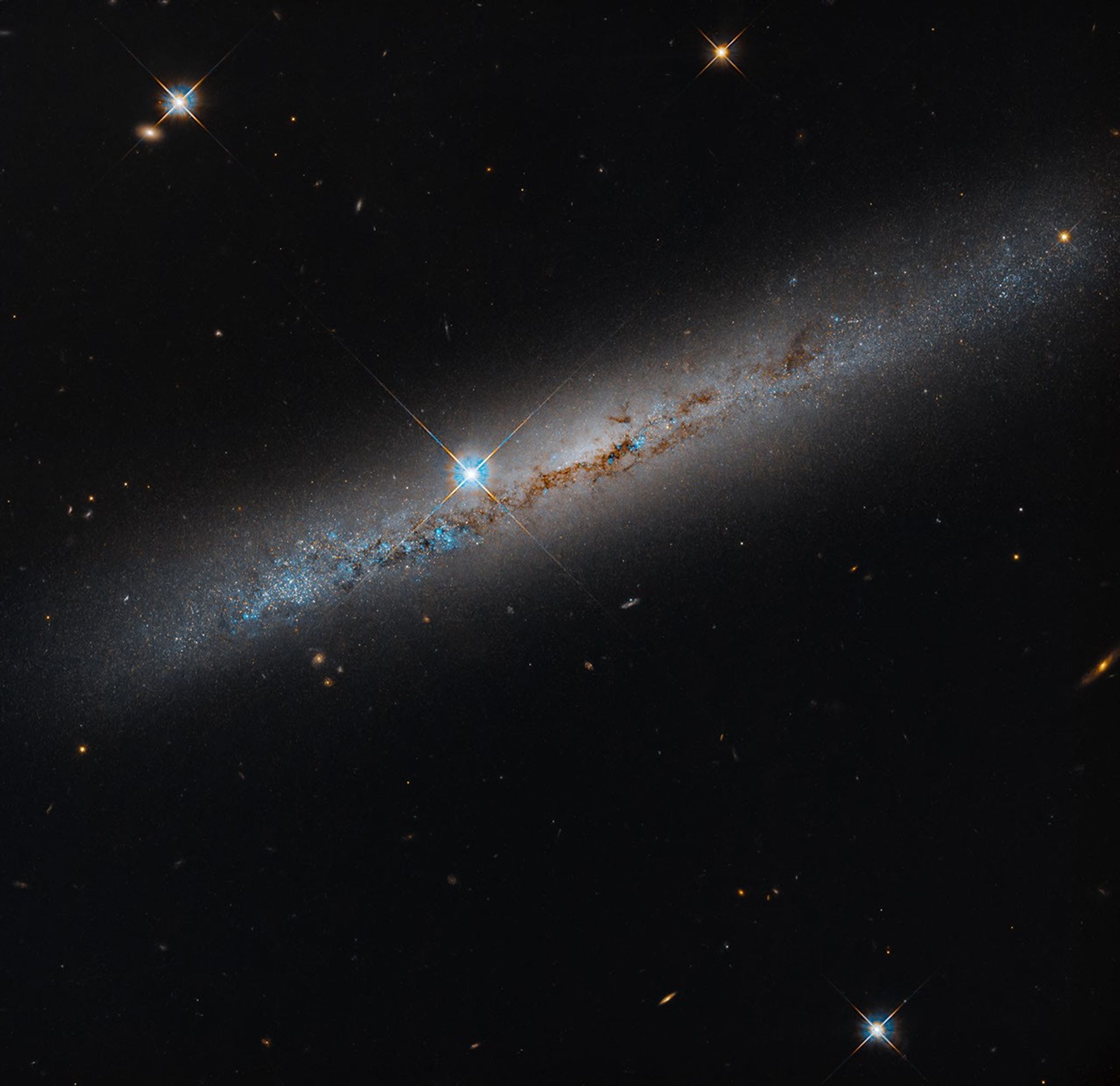
This NASA Hubble Space Telescope image features the edge-on, intermediate spiral galaxy NGC 1827, located roughly 37 million light-years away in the constellation Columba, the Dove.
APOD Science APOD APOD: 2026 October 16 –… Today’s APOD Archive Submissions Index Search Calendar RSS Education About Discuss APOD Astronomy Picture of the Day Discover the cosmos! Each day a different image or photograph of our fascinating universe is featured, along with a brief explanation writte
The Very Large Telescope (VLT) and the Atacama Large Millimeter/submillimeter Array (ALMA) has captured a "violent cosmic collision in which one galaxy pierces another with intense radiation," according to the European Southern Observatory (ESO). Credit: ESO Directed by: Angelos Tsaousis and Martin
James Webb Space Telescope Reveals Oldest Known Galaxy
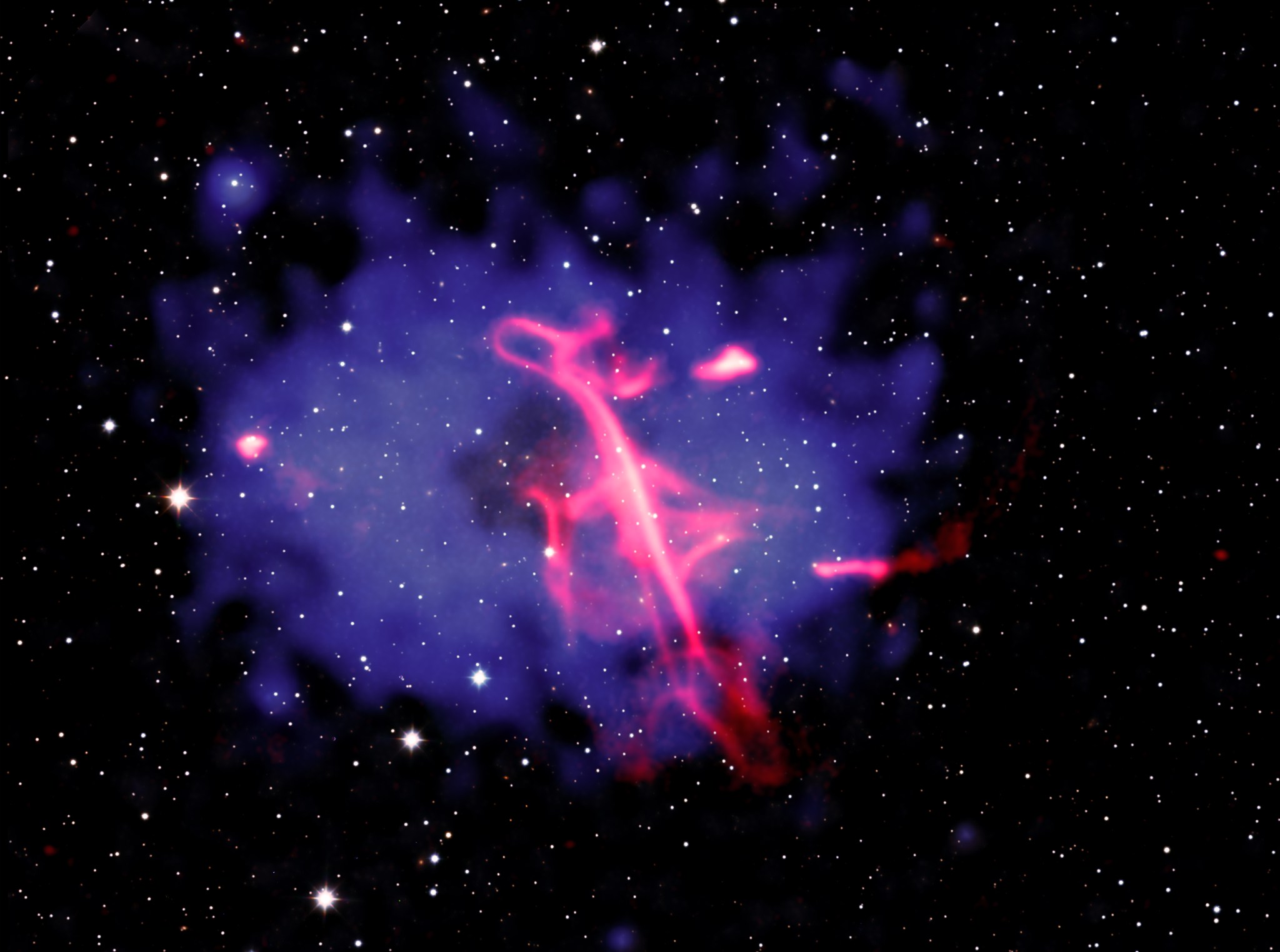
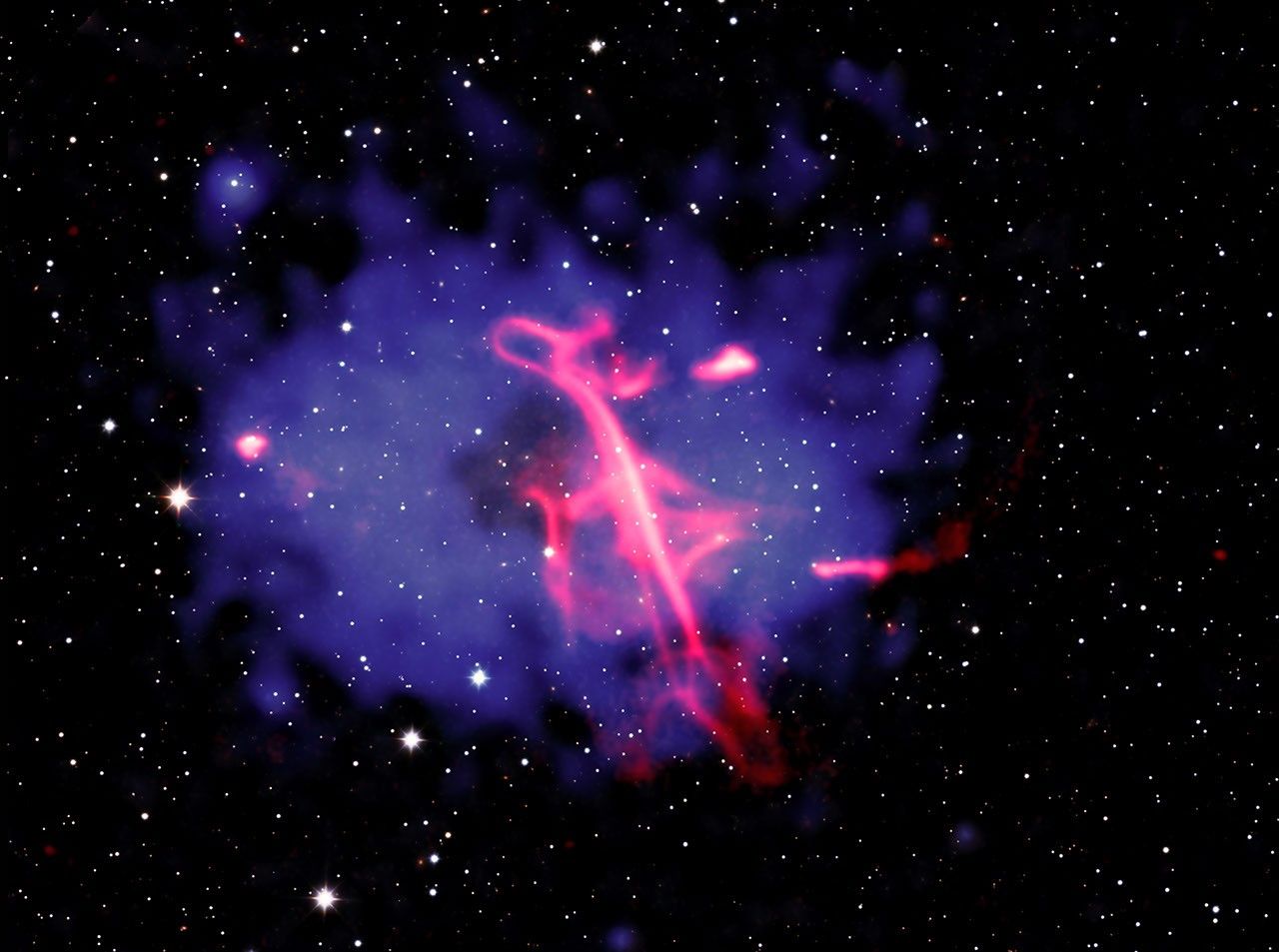
A formation of radio waves looks remarkably like a treble clef in this Oct. 14, 2026, image from NASA’s Chandra X-Ray Observatory. Researchers used Chandra to find that the Treble Clef is likely caused by an outburst from a supermassive black hole, followed by a collision of two galaxy clusters. Rea
Fly through the cosmos to the star-forming region NGC 7129. This video showcases the incredible power of the James Webb Space Telescope to see through dust and gas, unveiling the intricate and colorful details of where stars are born.
APOD Science APOD APOD: 2026 October 15 – The… Today’s APOD Archive Submissions Index Search Calendar RSS Education About Discuss APOD Astronomy Picture of the Day Discover the cosmos! Each day a different image or photograph of our fascinating universe is featured, along with a brief explanation wr
The James Webb Space Telescope's Near-Infrared and Mid-Infrared instruments (NIRCam & MIRI) have delivered imagery of interacting galaxies IC 1623, located 270 million light-years from Earth. Credit: Space.com | footage courtesy: ESA/Webb, NASA & CSA, L. Armus & A. Evans, N. Bartmann | edited by Ste
The James Webb Space Telescope has captured imagery of interacting elliptical and spiral galaxies known as Arp 107. Credit: NASA, ESA, CSA, STScI, Danielle Kirshenblat (STScI)
The James Webb Space Telescope has captured a stunning view of the N79 nebula, located in the Large Magellanic Cloud. Credit: Space.com | imagery courtesy: ESA/Webb, NASA & CSA, O. Nayak, M. Meixner, N. Bartmann (ESA/Webb) | edited by Steve Spaleta Music: The Ethereal by Ave Air / courtesy of Epidem
Astronomers have used NASA’s Chandra X-ray Observatory to break down the cause of a remarkable formation of radio waves they have nicknamed the “Treble Clef” because its distinct shape strongly resembles the musical symbol. The researchers discovered the Treble Clef is likely caused by an outburst f
If you’ve ever had your car start sluggishly, or not at all, on a particularly frigid winter morning, you know standard batteries do not like extreme cold. That’s why NASA researchers are working to develop a battery that could function in the brutal cold of the Moon’s South Pole, where nighttime te
What if the Moon never existed? It's not just darkness — without the Moon, Earth's tides freeze, our axis wobbles, and seasons collapse. The Moon is the anchor of our world. In this 35-second documentary short from Beyond What If, we explore the real physics behind one of the most mind-bending "what
"Two massive stars in Wolf-Rayet 140 swing past one another, their winds collide, material compresses, and carbon-rich dust forms," according to NASA. Time-lapsed James Webb Space Telescope imagery of the system has revealed that every shell is racing away from the stars at almost 1% the speed of li
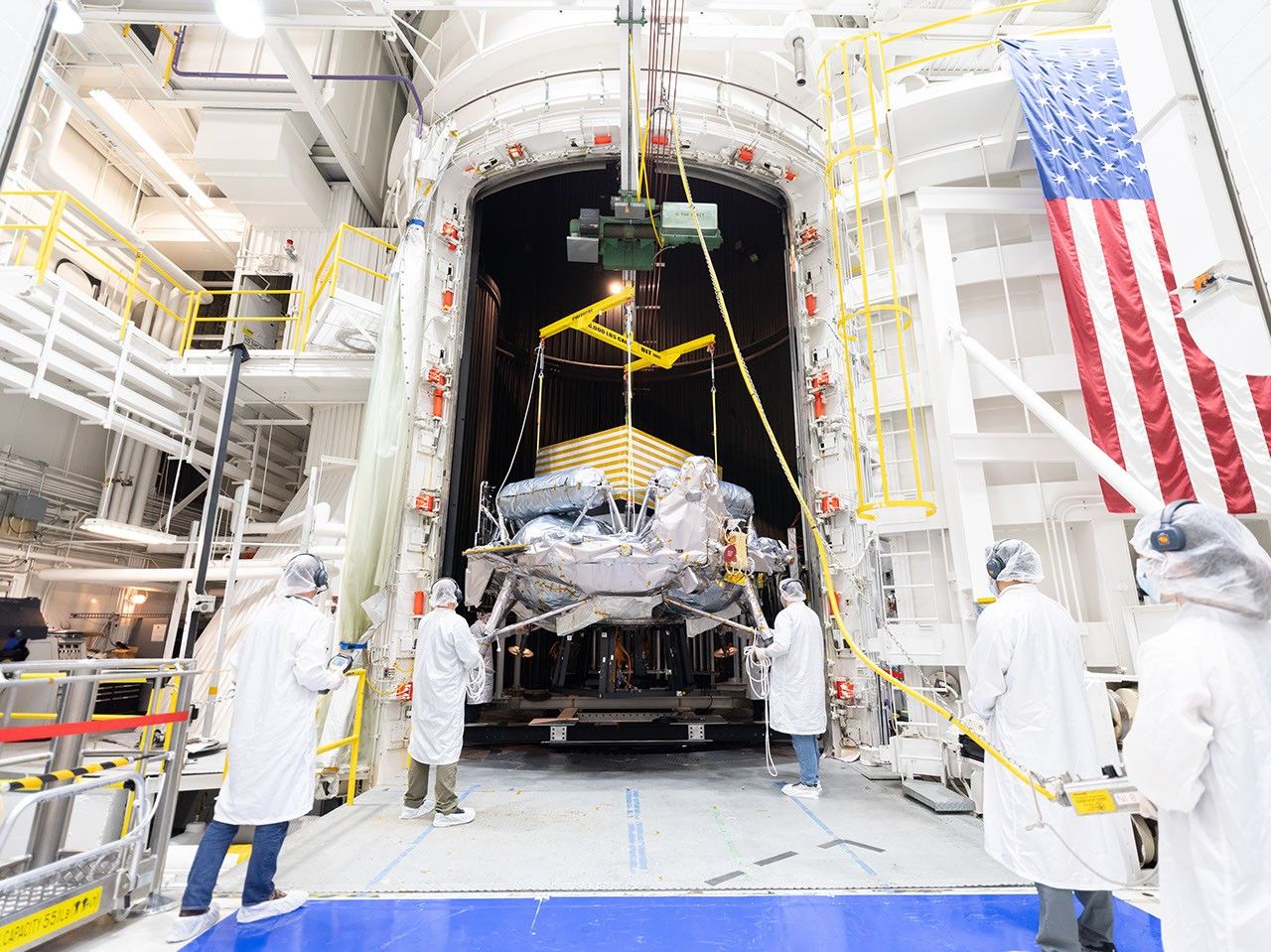
Description A lunar lander from Voyager Technologies completed nearly three months of environmental testing at NASA’s Jet Propulsion Laboratory in Southern California in late September 2026. The tests demonstrate that the spacecraft is prepared to face the harsh conditions of launch, its journey to
The James Webb Space Telescope has captured imagery of spiral galaxy NGC 2283, which is located about 45 million light-years away in the constellation Canis Major. Credit: ESA/Webb, NASA & CSA, A. Leroy, N. Bartmann (ESA/Webb) | edited by Space.com
APOD Science APOD APOD: 2026 October 13 –… Today’s APOD Archive Submissions Index Search Calendar RSS Education About Discuss APOD Astronomy Picture of the Day Discover the cosmos! Each day a different image or photograph of our fascinating universe is featured, along with a brief explanation writte
The DSCOVR satellite's Earth Polychromatic Imaging Camera (EPIC) captured the moon transit the Earth. Credit: Space.com | footage courtesy: NASA EPIC Team | produced & edited by Steve Spaleta
The James Webb Space Telescope has captured 19 spiral galaxies "face-on" in near- and mid-infrared. The images "show stars, gas, and dust on the smallest scales ever observed beyond our own galaxy," according to NASA/ESA. Credit: NASA, ESA, CSA, STScI, J. Lee (STScI), T. Williams (Oxford), PHANGS Te