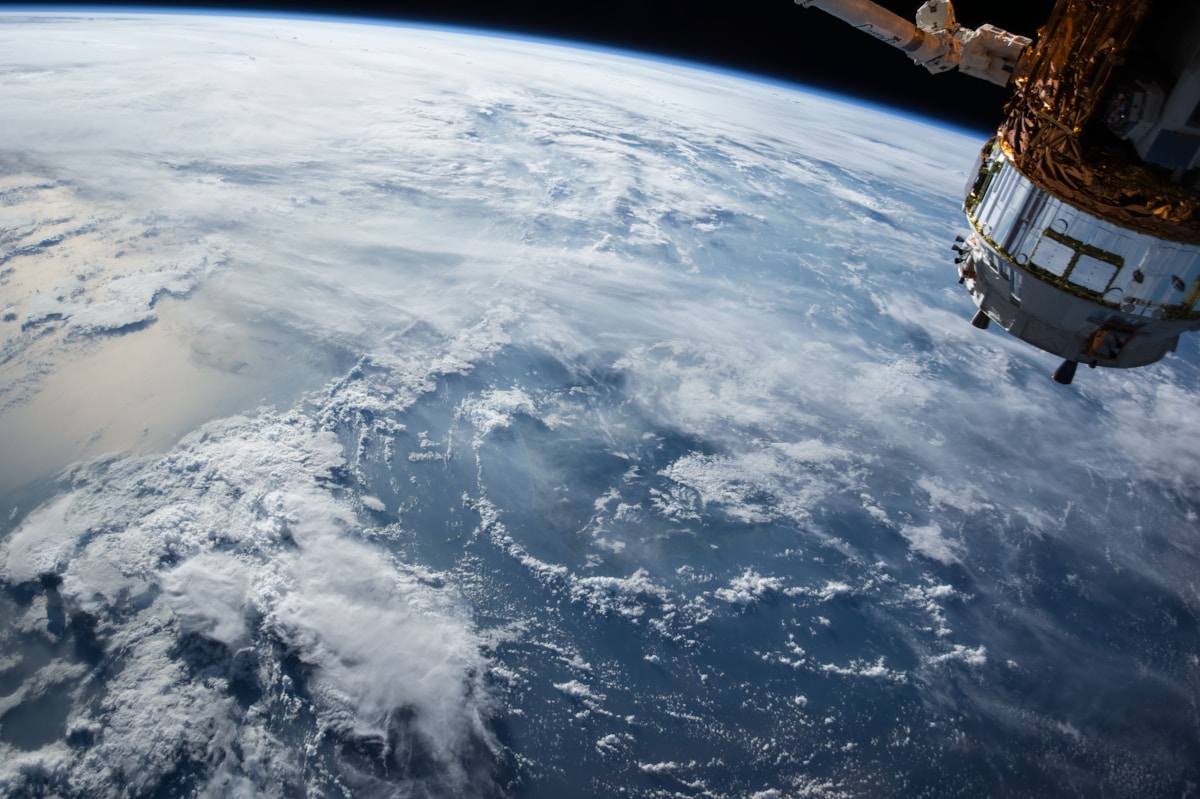
How to Find Planets in the Night Sky: A Beginner's Guide Without a Telescope
You can spot Venus, Jupiter, Mars, and Saturn with the naked eye. The trick is knowing they shine steadily, move slowly, and follow the ecliptic.
You can spot Venus, Jupiter, Mars, and Saturn with the naked eye. The trick is knowing they shine steadily, move slowly, and follow the ecliptic.
Space-tourism inquiries arrive from every time zone at every hour. An AI voice receptionist answers your line 24/7, captures booking inquiries, and texts back anyone it misses.

Space prospects do not leave voicemails — they research your competitor. An instant missed-call text-back gives every unanswered inquiry a second chance.
Your best inquiries arrive across every time zone. An honest comparison of extended staff hours, traditional answering services, and AI — with real costs.
One missed call is not a voicemail — it is a booking worth tens of thousands walking to a competitor. The step-by-step math, with every estimate labeled.
Hire bookings staff, pay an answering service, or use AI? Honest monthly costs, hidden tradeoffs, and where each option actually wins for space-experience businesses.
Step-by-step guide to spotting a Falcon 9 night launch from hundreds of miles away using ordinary binoculars — timing, location, and what to look for.
Turn your binoculars into a telephoto lens: a practical step-by-step method for capturing sharp moon photos with just your smartphone.
Beyond videos and webcasts: the light, the delayed rumble, the crowd energy — what experiencing a real rocket launch in person is actually like.
The October 13, 2026 CRS-35 launch painted a glowing jellyfish across the dawn sky. Here is how to photograph the next one with just your phone.
The science behind the glowing space jellyfish seen after the October 13, 2026 SpaceX launch — twilight geometry, ice crystals, and upper-atmosphere physics.
Not a UFO — the science of the Starlink satellite train: batch deployments, reflected sunlight, and why the line of lights fades within days.
One bright dot or a line of many? A 5-step method to tell the ISS apart from a Starlink train — and from planes and meteors too.
Jupiter is a late-night naked-eye target this autumn. Six steps to find the giant planet tonight using the twinkle test and a free sky app.
How do astronauts grow food in space with hydroponics? NASA's Veggie, Advanced Plant Habitat, and XROOTS systems replace soil and gravity with engineered water channels, LED lighting, and mist-fed roots - growing lettuce, peppers, and wheat on the ISS and paving the way for Moon and Mars missions.
The International Space Station recovers about 98 percent of its water, turning urine, sweat, and cabin humidity back into drinking water. This explainer walks through the three systems that make the loop work and why it matters for the Moon and Mars.
The International Space Station is bright, fast, and easy to spot once you know when to look. Here is how tracker apps work, how to read a pass prediction, and how to catch your first sighting tonight.
There is no up or down on the space station, so astronauts sleep in tethered bags in phone-booth-sized cabins, on a strict schedule despite 16 sunrises a day.
A lunar eclipse darkens the Moon, a solar eclipse darkens the Sun, and the geometry behind them is almost the mirror image. Here is how each one works.
The space station travels at about 28,000 kilometres per hour, circling Earth every 90 minutes. That speed is what keeps it in orbit instead of falling down.
When a satellite stops working, it does not just vanish. Operators either drag it down to burn up, park it in a graveyard orbit, or leave it drifting as debris.
Beneath Europa's cracked ice shell may lie a salty ocean with twice Earth's water. The Europa Clipper mission will investigate whether it could support life.
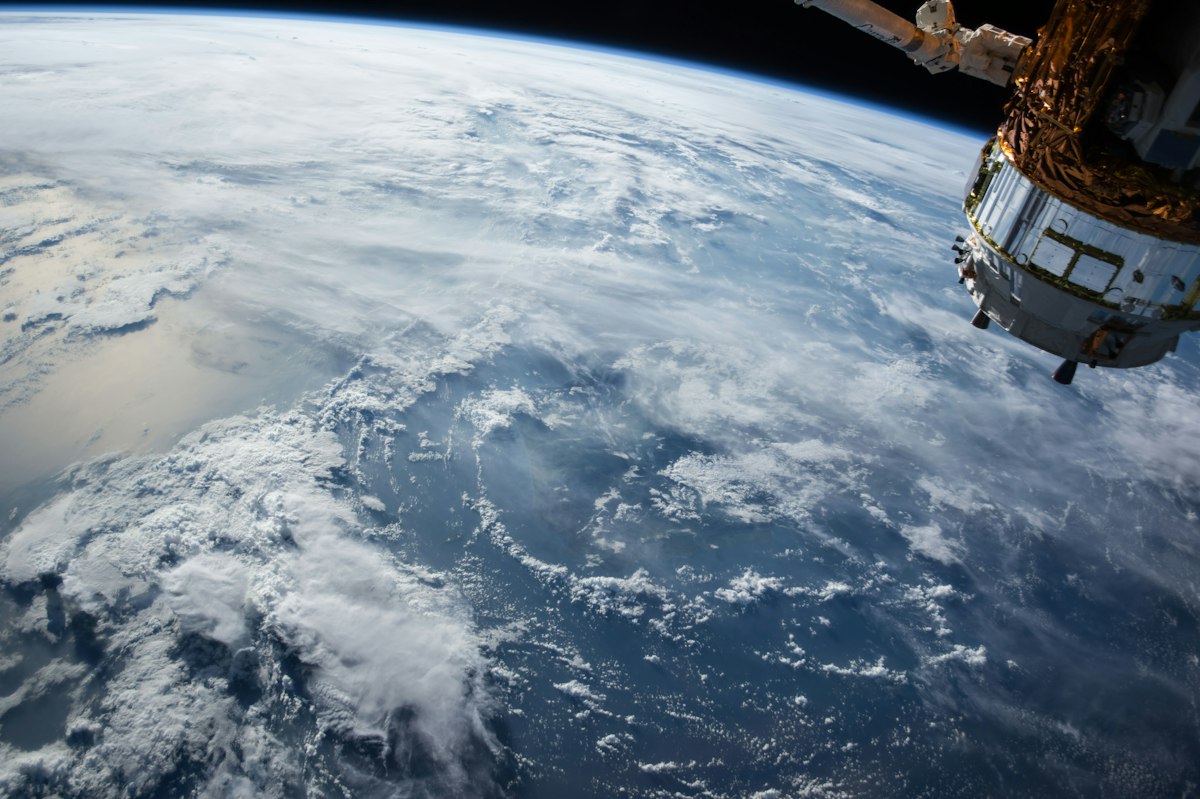
Life aboard the International Space Station runs on a strict schedule in weightlessness, from Velcro sleeping bags to rehydrated meals. Here is how astronauts actually live and work in orbit.
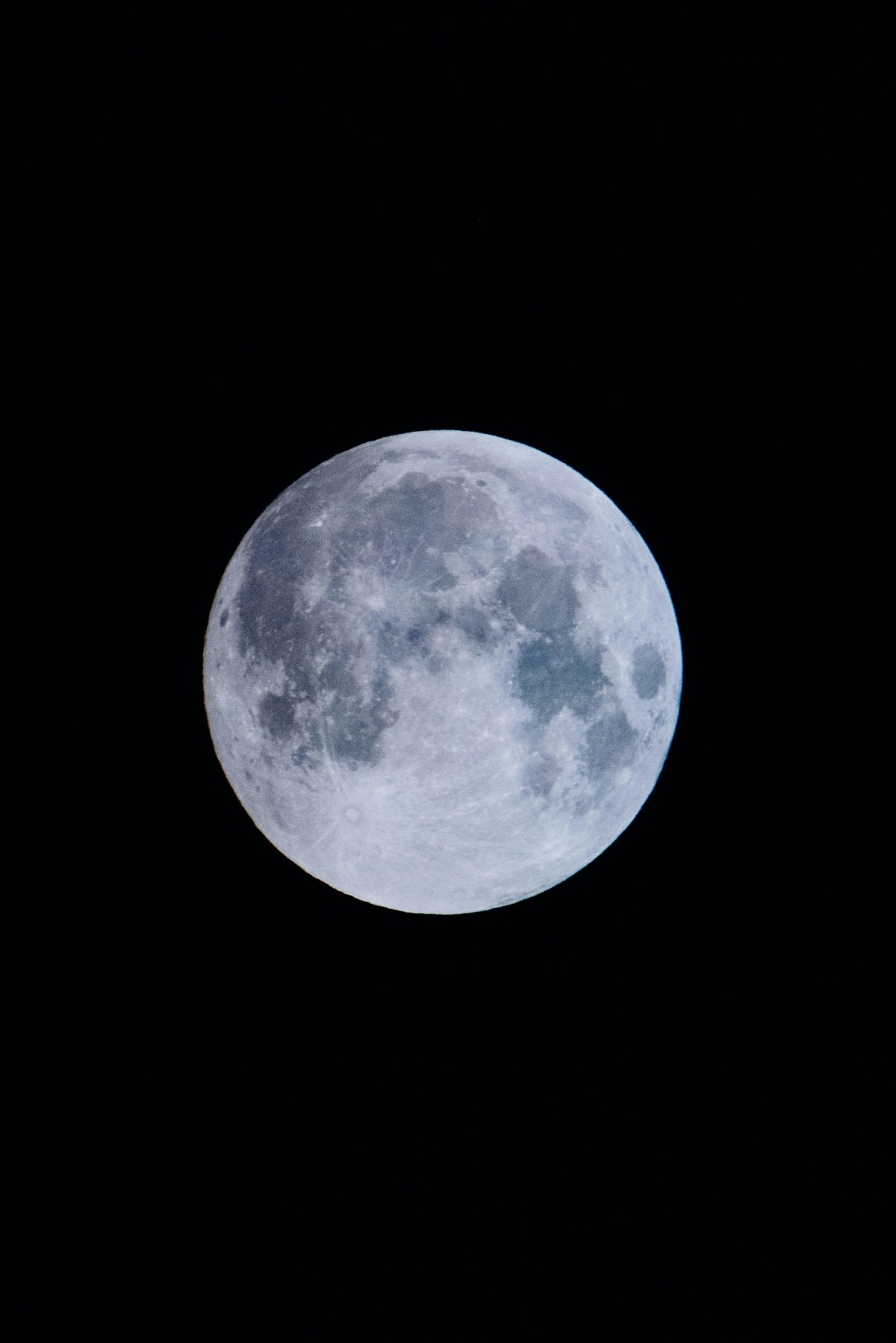
A supermoon happens when a full Moon coincides with the Moon's closest approach to Earth. It looks larger and brighter, but the real spectacle is subtler than the headlines suggest.