Mars meets Jupiter in the pre-dawn sky on November 15-16, 2026, just 1.2 degrees apart. Here is when to look, what binoculars will show, and how to photograph the pair.
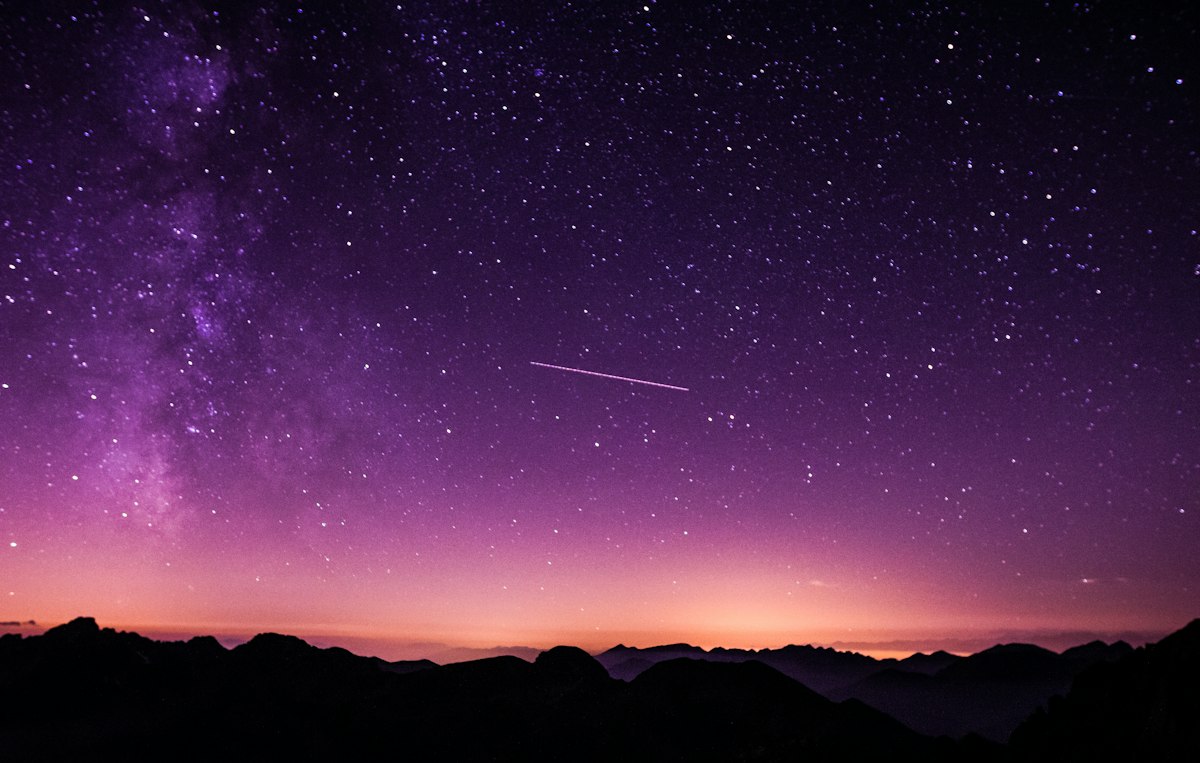
The Orion Nebula is the brightest nebula in the sky and one of the easiest deep-sky objects for a beginner. All you need is a pair of binoculars, a clear winter evening and the three stars of Orion's Belt.
The Andromeda Galaxy is the most distant object you can see with the naked eye, 2.5 million light-years away. On a dark November night you can find it with two bright stars and a simple star-hop.
The Northern Taurids peak on November 11-12, 2026, under a slim crescent moon. Expect a slow trickle of bright, long-lasting fireballs rather than a storm, and look toward Taurus after midnight.
Saturn rules the evening sky while Venus, Jupiter and Mars greet early risers in November 2026 — here is exactly where and when to look for each one.
Five planets are visible without any equipment if you know where and when to look — here's how to find each one tonight.
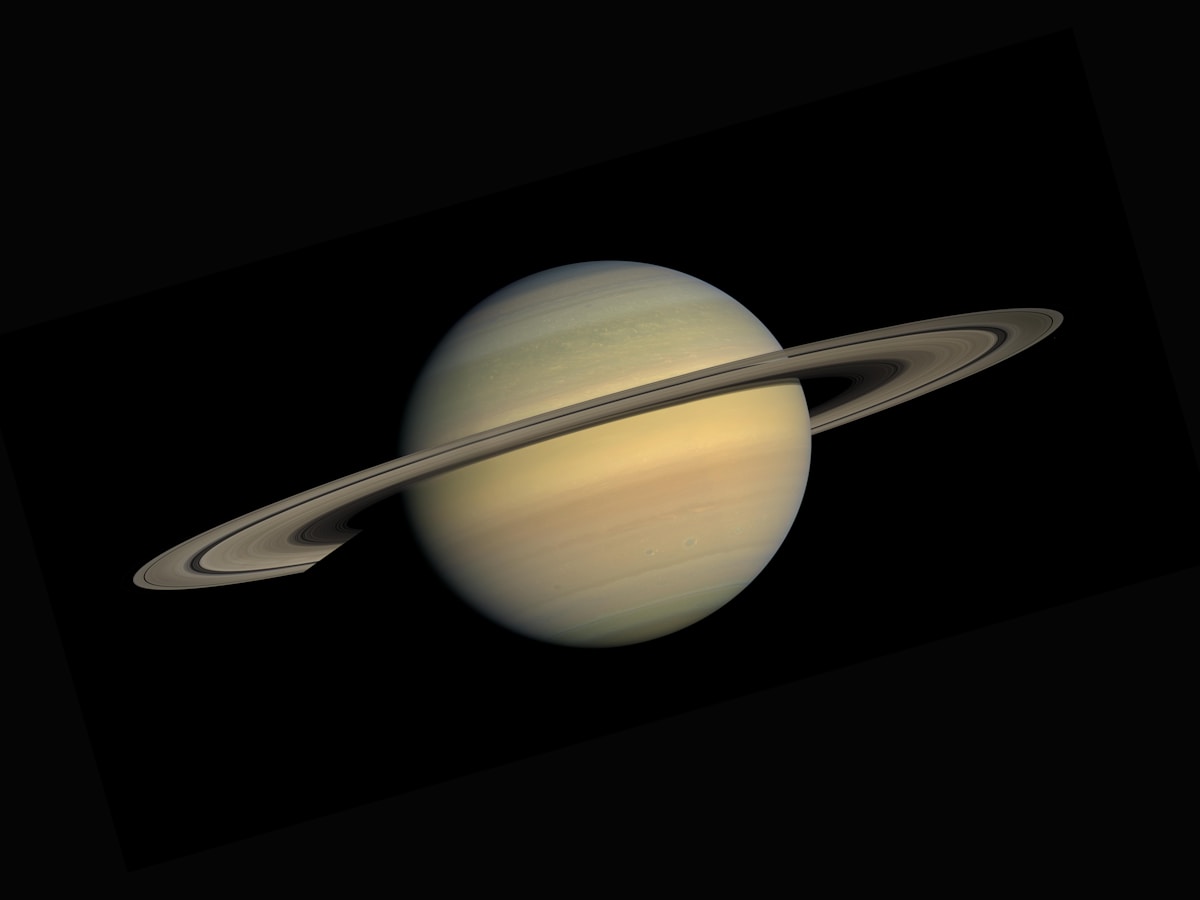
Saturn's rings are visible in ordinary 10x50 binoculars if you know what to look for and hold them steady. This guide covers timing, technique, and realistic expectations.
The Geminids are the year's most reliable meteor shower, with bright, slow meteors and a broad peak. This guide covers the best nights, the best hours, and simple techniques that genuinely improve your count.
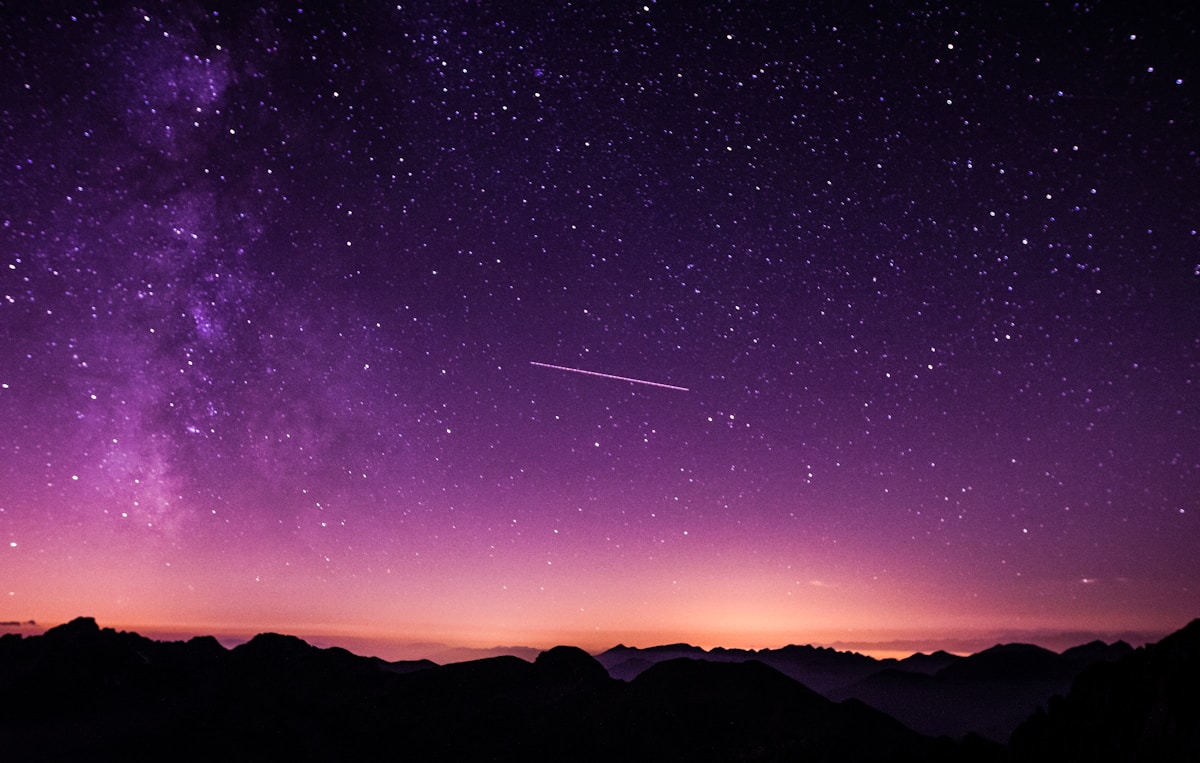
Meteor showers need no telescope — just dark skies, patience, and good timing. Here are the best showers of 2026 and how to watch them well.
The Ghoul Located within the constellation Perseus lies a star called Algol, also known as ‘Demon Star’ or ‘The Ghoul’. You can spot this star during the autumn months, along with Cassiopeia and Andromeda in the northeastern sky, beginning after 9 PM. In Greek mythology, this star represents the ‘bl
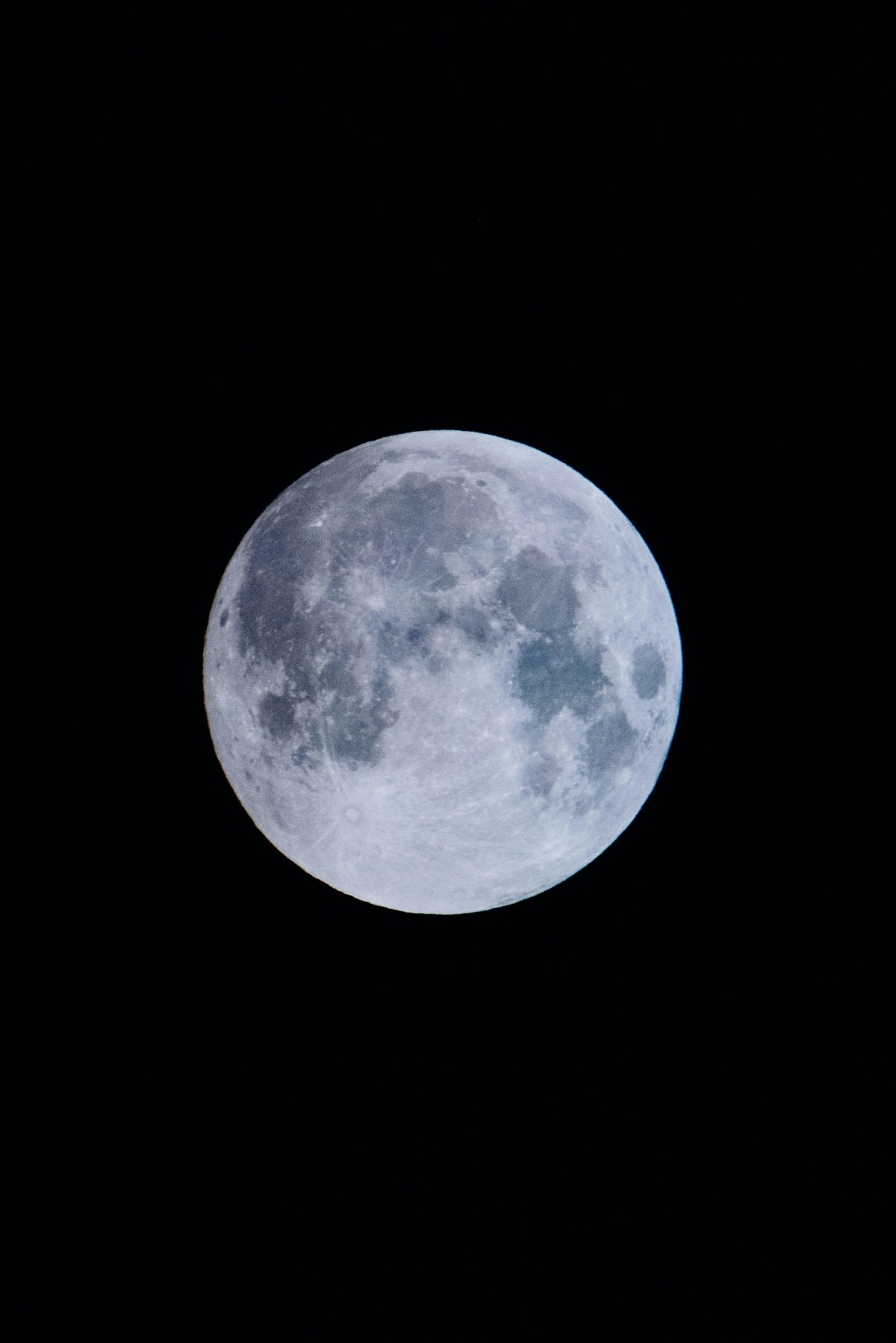
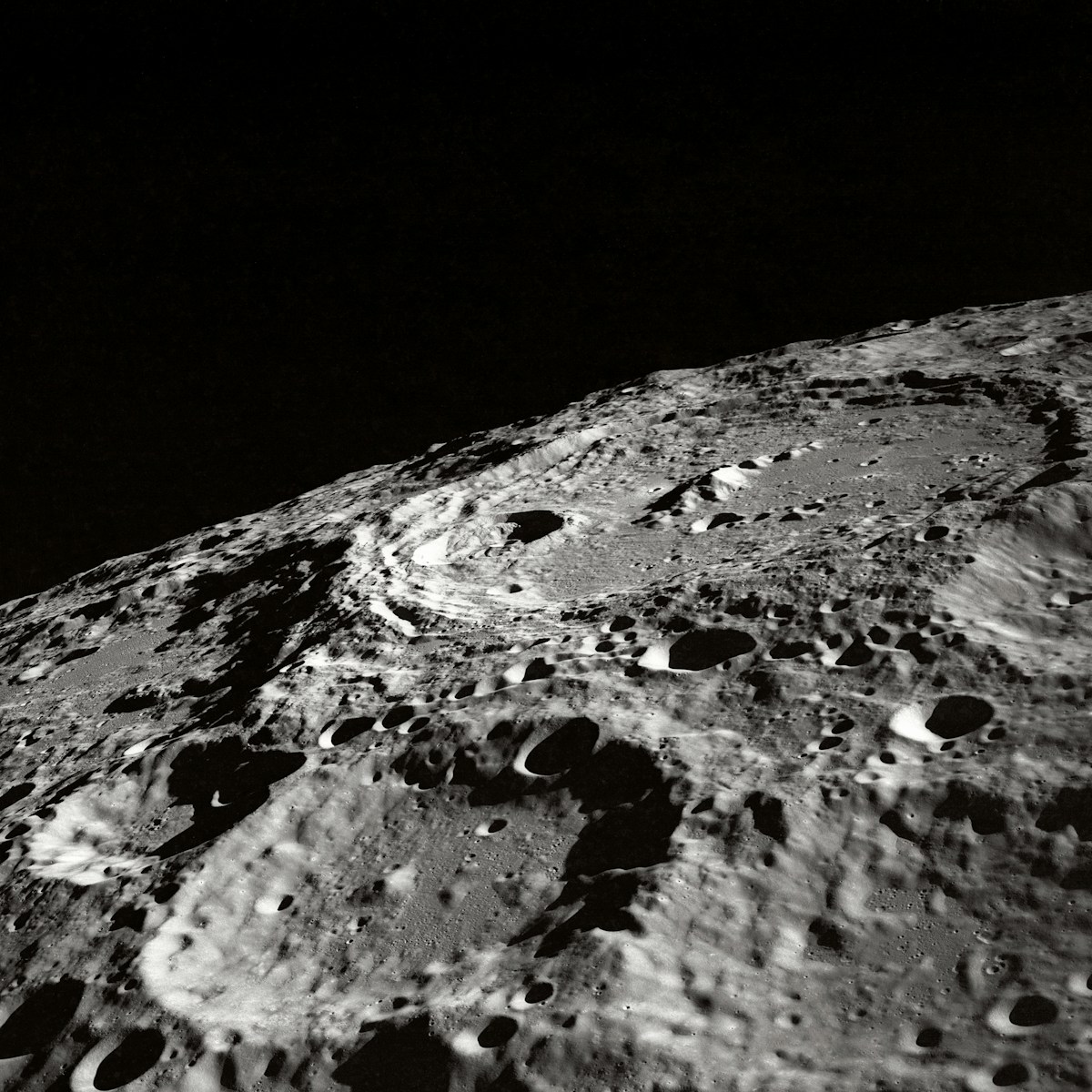
You do not need a telescope to capture craters and texture on the Moon. With a phone, a steady pair of binoculars, and the right exposure settings, you can take a sharp lunar photo in one evening.
Saturn's rings are visible even in a modest telescope — if you know when to look and what to expect. This guide covers timing, magnification, and the ring details a beginner can realistically see.
You can find planets with your naked eye and no app at all. Learn the ecliptic trick, the steady-light test, and how to use the Moon as a signpost to the bright planets.
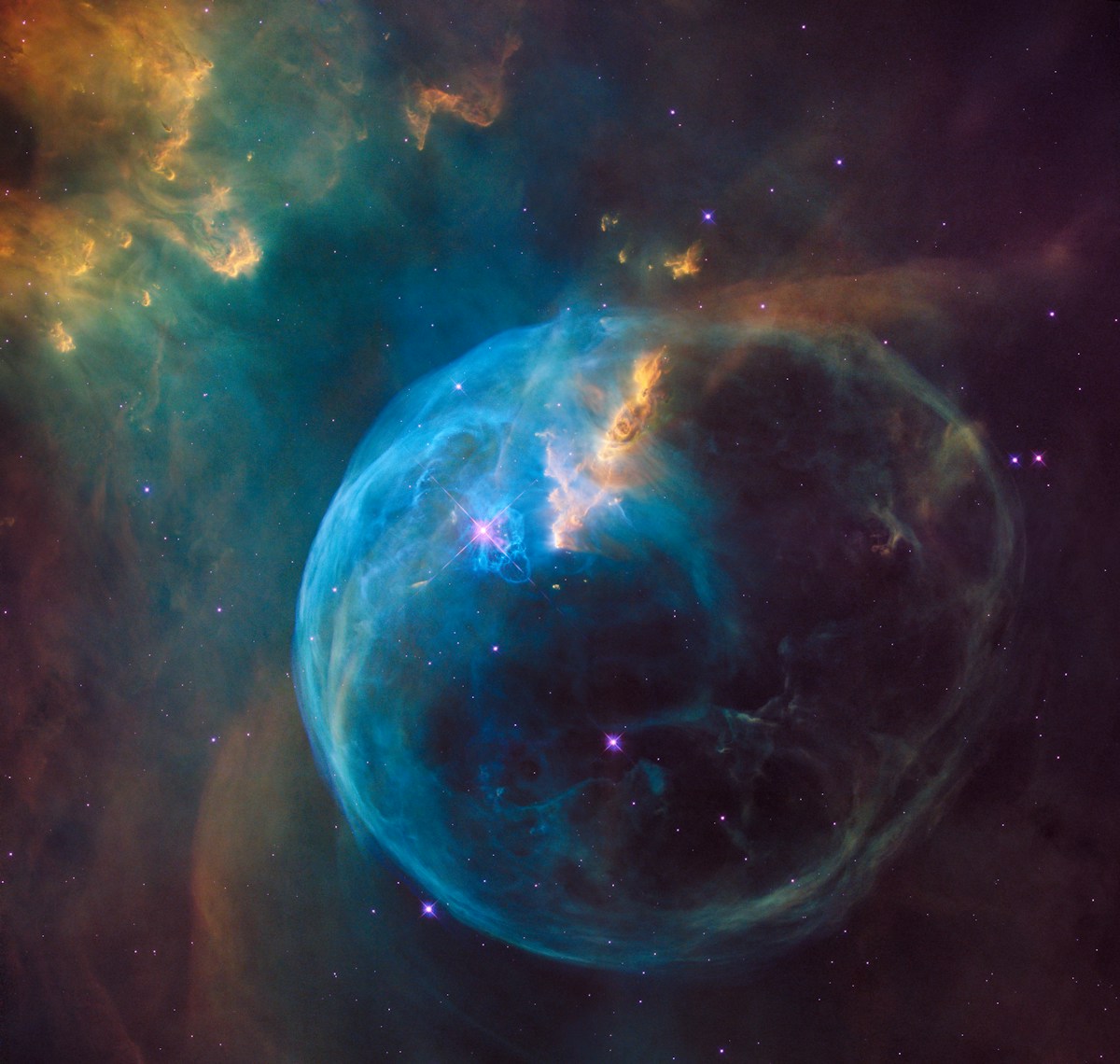
Nebulae are the glowing clouds where stars are born — and the shells dying stars leave behind. Learn the four main types, why they glow, and what they actually look like through a telescope.
Jupiter's four Galilean moons are easy targets for phone astrophotography. Learn the adapter setup, exposure trick, and burst-and-stack technique that turns a shaky snapshot into a sharp image.
Darker skies are the best free upgrade in astronomy. Learn how to read a light pollution map, scout a safe observing site, and improve your view even when you cannot leave the city.
The best stargazing app for beginners is simple, accurate, and easy to use in the dark. Here is what to look for, what to skip, and how to use an app without staring at your phone all night.
A black hole is a place where gravity is so strong that light cannot escape. Here is how they form, what the event horizon means, and why they matter for astronomy.
Your phone can capture real lunar detail — if you lower exposure, stabilise the shot, and choose the right Moon phase. Here is a simple method that works on most phones.
Binoculars are portable and beginner-friendly; telescopes reveal finer detail but need more setup. Here is how to choose based on what you actually want to see.
Buying a first telescope is confusing because the specs that matter most are rarely the ones on the box. This guide explains aperture, mounts, and realistic expectations in plain language.
The Geminids peak on December 13-14, 2026 under a thin crescent Moon, making this the best meteor shower of the year for most observers. Here is when to look, where to look, and how to count more meteors.
A certified dark sky park can show you thousands more stars than your backyard, and visiting one is easier than most beginners expect. Here is how to choose, plan, and enjoy your first trip.
Venus shows phases just like the Moon, and watching them change over weeks is one of the most satisfying small-telescope projects. Here is how to observe them safely and well.