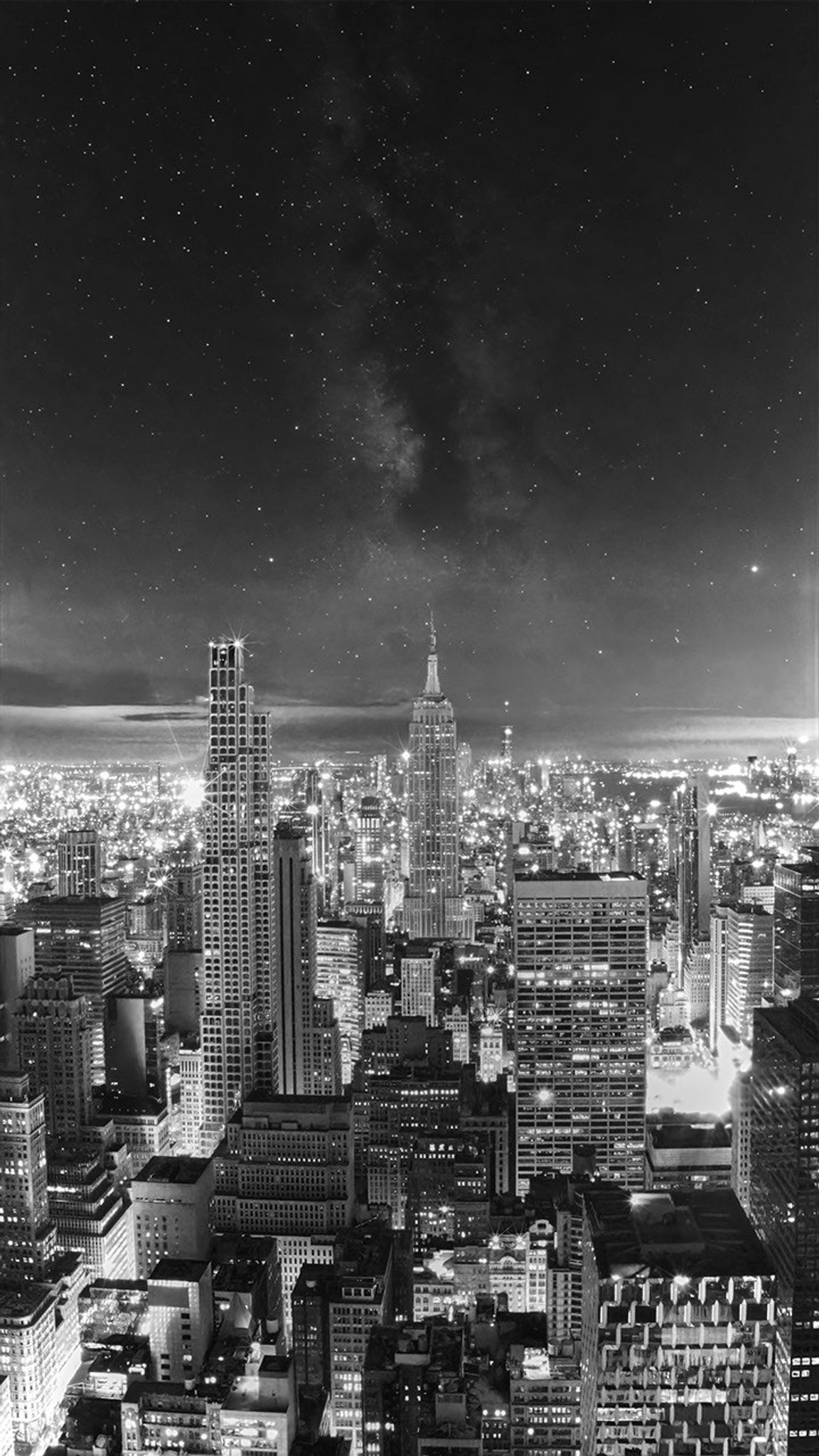
APOD: 2026 October 15 – The Milky Way over Manhattan
Story summary
APOD Science APOD APOD: 2026 October 15 – The… Today’s APOD Archive Submissions Index Search Calendar RSS Education About Discuss APOD Astronomy Picture of the Day Discover the cosmos! Each day a different image or photograph of our fascinating universe is featured, along with a brief explanation wr
📌 Key Highlights & Takeaways
- APOD Science APOD APOD: 2026 October 15 – The… Today’s APOD Archive Submissions Index Search Calendar RSS Education About Discuss APOD Astronomy Picture of the Day Discover the cosmos!
- Each day a different image or photograph of our fascinating universe is featured, along with a brief explanation wr
Discover the cosmos! Each day a different image or photograph of our fascinating universe is featured, along with a brief explanation written by a professional astronomer.
Explanation: The city lights outshine the stars in the City That Never Sleeps . Who would have thought that the Milky Way could be visible in this sky? This image was taken with a filter that blocks most visible light , capturing instead only light in the near- infrared region of the electromagnetic spectrum (with lower energy than visible light). The astrophotographer’s clever setup blocks most of the light pollution from the city: old incandescent light bulbs and some neon lights are still bright in the near-infrared, but fluorescent and LED light bulbs are not. Of course, stars are also bright in the near-infrared! This image is a reminder that we all live under the same sky , and astronomy allows all of us to learn more about humanity’s place in the Cosmos .
Yesterday’s Image APOD: 2026 October 14 – Mars and the Beehive Under an Aurora
Editorial Text & Content Analyzer
Analyze real-time word count, reading speed, and text density metrics on the fly.
Source: NASA.
Read the full story at the original source ↗
For questions: mrsmithcons@gmail.com.
More from FreeSky Cosmos