APOD: 2026 October 18 – Sonified: Eagle Nebula Pillars

Story summary
APOD Science APOD APOD: 2026 October 18 –… Today’s APOD Archive Submissions Index Search Calendar RSS Education About Discuss APOD Astronomy Picture of the Day Discover the cosmos! Each day a different image or photograph of our fascinating universe is featured, along with a brief explanation writte
📌 Key Highlights & Takeaways
- APOD Science APOD APOD: 2026 October 18 –… Today’s APOD Archive Submissions Index Search Calendar RSS Education About Discuss APOD Astronomy Picture of the Day Discover the cosmos!
- Each day a different image or photograph of our fascinating universe is featured, along with a brief explanation writte
Discover the cosmos! Each day a different image or photograph of our fascinating universe is featured, along with a brief explanation written by a professional astronomer.
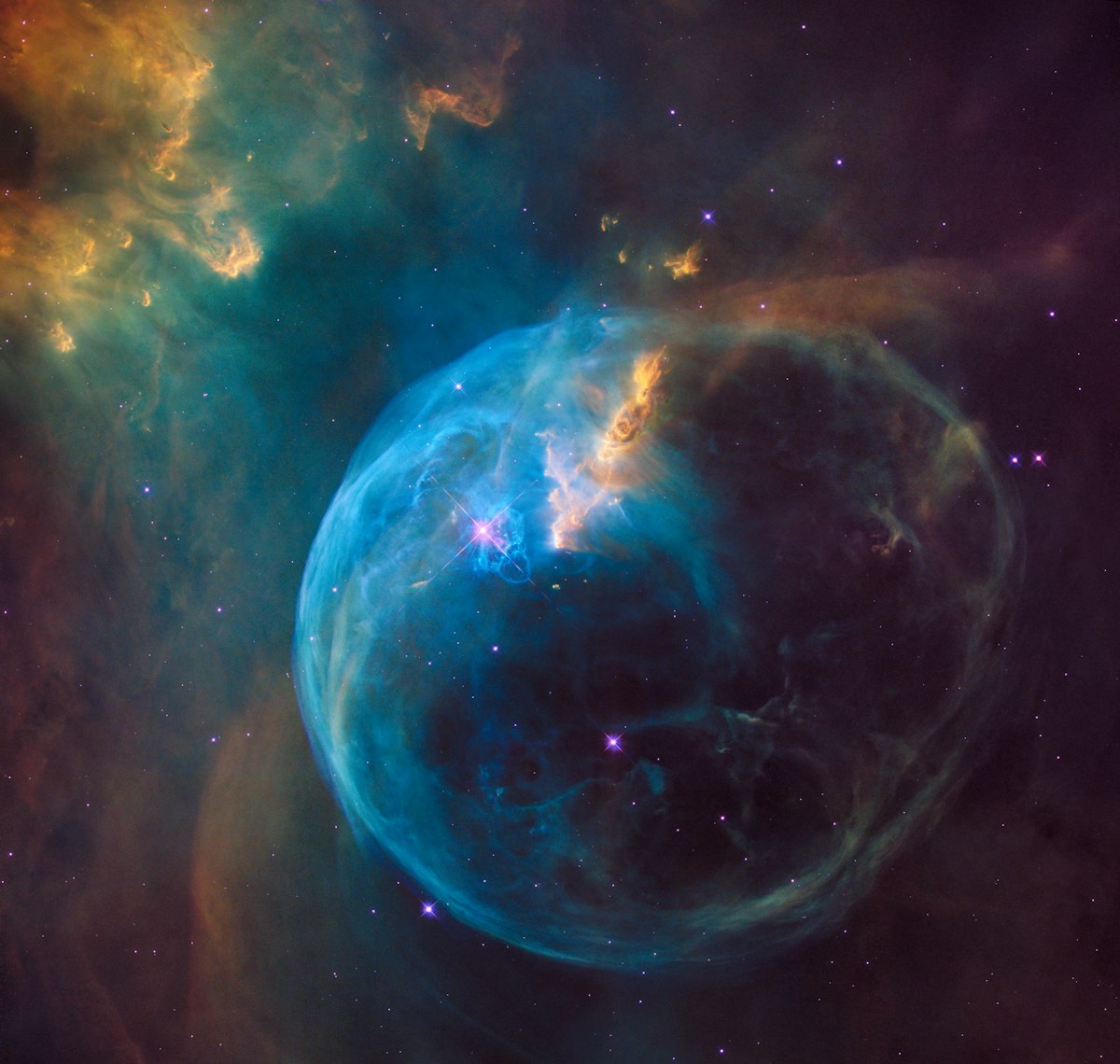
Explanation: Yes, but have you ever experienced the Eagle Nebula with your ears ? The famous nebula M16 is best known for the feast it gives your eyes, highlighting bright young stars forming deep inside dark towering structures . These light-years long columns of cold gas and dust are some 6,500 light-years distant toward the constellation of the Serpent ( Serpens ). Sculpted and eroded by the energetic ultraviolet light and powerful winds from M16 ‘s cluster of massive stars, the cosmic pillars themselves are destined for destruction . But the turbulent environment of star formation within M16 , whose spectacular details are captured in this combined Hubble ( visible ) and Chandra ( X-ray ) image, is likely similar to the environment that formed our own Sun . In the featured video , listen for stars and dust sounding off as the line of sonification moves left to right, with vertical position determining pitch .
Tomorrow’s picture: what could it be?
Yesterday’s Image APOD: 2026 October 17 – 3D 67P
Editorial Text & Content Analyzer
Analyze real-time word count, reading speed, and text density metrics on the fly.
Source: NASA.
Read the full story at the original source ↗
For questions: mrsmithcons@gmail.com.
More from FreeSky Cosmos