What Is a Nebula? A Beginner's Guide to Star-Forming Clouds
- Primary Signal: What Is a Nebula? A Beginner's Guide to Star-Forming Clouds
- Overview: Nebulae are the glowing clouds where stars are born — and the shells dying stars leave behind. Learn the four main types, why they glow, and what they actually look like through a ...
- Verification: Analyzed and compiled by FreeSky Cosmos editorial monitoring desk.
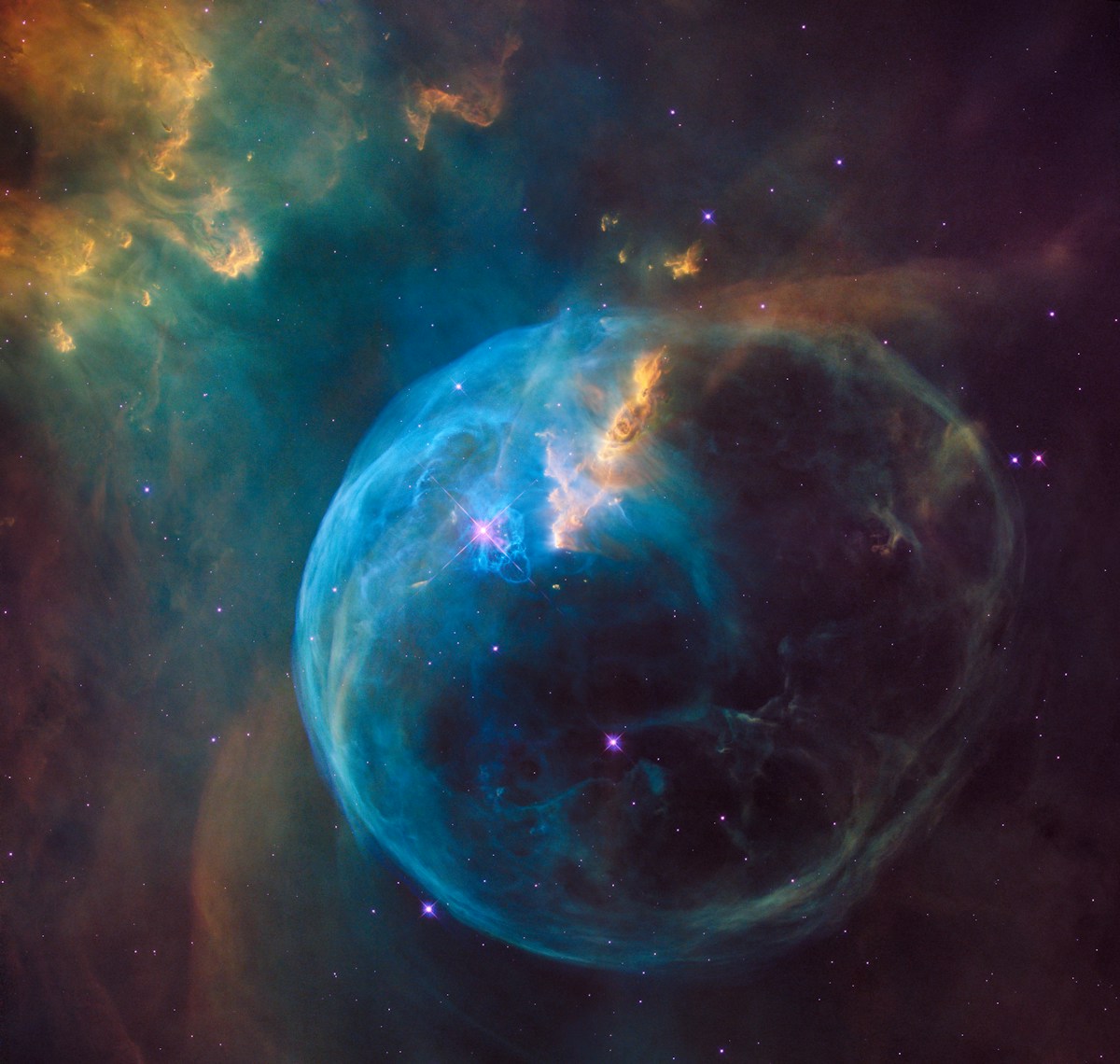
When you look at a photograph of a glowing cloud in space, you are looking at a nebula — one of the most important and most misunderstood objects in astronomy.
A nebula is a cloud of gas and dust in space, sometimes many light-years across. The gas is mostly hydrogen, mixed with helium and traces of heavier elements, and these clouds are the raw material of the universe.
Emission nebulae are the showpieces: glowing clouds where new stars are being born. Ultraviolet light from hot young stars makes the hydrogen gas fluoresce, producing the reds and pinks familiar from photographs. The Orion Nebula is the classic example.
Not every nebula glows on its own. Reflection nebulae shine by scattered starlight and tend to look blue, like the clouds around the Pleiades. Dark nebulae block the light behind them, appearing as inky patches against the Milky Way.
Two more types come from dying stars. A planetary nebula is the shell of gas a medium-sized star sheds at the end of its life. A supernova remnant is the expanding debris of a massive star that exploded, recycling heavy elements back into space.
Through a telescope, most nebulae look like faint grey smudges, not the vivid colors of photographs, because our night vision is nearly color-blind at low light levels. A nebula filter that blocks light pollution can dramatically improve the view.
📖 Continue Reading the Full Story
Continue reading this article on FreeSky Cosmos.
⚡ Access Full Content NowMore from FreeSky Cosmos


 ☁️ FreeSky Cloud
VPS Backup Automation Guide: Set It Once and Stop Worrying
A practical, step-by-step guide to vps-backup-automation-guide, with the common mistakes to avoid and a reusab...
 🌍 FreeSky Remote
12 Legit Work-From-Home Jobs You Can Start This Month
Twelve legitimate remote jobs you can realistically start within a month — each with a concrete first step, an...
⚡ CyberTech 568
10 Free AI Tools That Save Freelancers 10 Hours a Week
Ten genuinely free AI tools for writing, design, and admin — build them into your workflow and reclaim roughly...
 💎 LuxeLiving 768
How to Check DNS Records of a Domain: A Beginner's Guide
Checking a domain's DNS records takes under a minute once you know the tools. This guide covers online lookup ...