Daily Life on the Space Station: How Astronauts Eat, Sleep, and Work
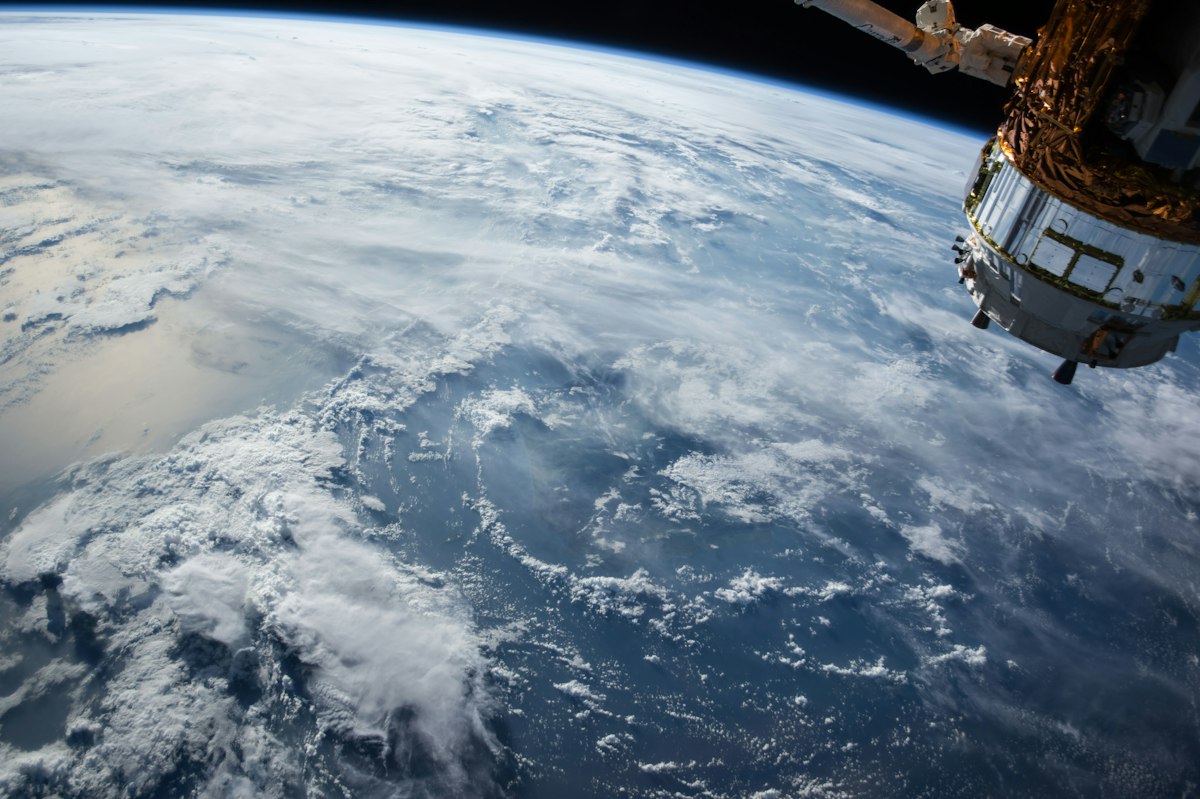
- Primary Signal: Daily Life on the Space Station: How Astronauts Eat, Sleep, and Work
- Overview: Life aboard the International Space Station runs on a strict schedule in weightlessness, from Velcro sleeping bags to rehydrated meals. Here is how astronauts actually live and wor...
- Verification: Analyzed and compiled by FreeSky Cosmos editorial monitoring desk.
Astronauts aboard the International Space Station live in a laboratory the size of a football field, orbiting Earth every 90 minutes and experiencing sixteen sunrises and sunsets a day. Daily life there is a careful mix of rigorous scheduling, ingenious workarounds for weightlessness, and small comforts that keep a crew healthy and sane during missions that often last six months. Almost every ordinary task, from sleeping to drinking coffee, has been redesigned for an environment where up and down do not exist.
The crew's day is planned in five-minute blocks by mission control, starting with a wake-up call, a morning conference with flight controllers, and a schedule that balances science experiments, station maintenance, exercise, meals, and communication with family. Workdays run roughly twelve hours, with weekends lighter but never fully off, because the station itself needs constant care. Time is kept on Greenwich Mean Time, and crews follow a strict sleep schedule to protect against the confusing cycle of orbital sunrises.
Space food has come a long way from the purees of early missions. Today's menus include rehydratable pouches, thermostabilised meals, and occasional fresh fruit delivered by cargo ships, with crews choosing their meals months before launch from a list of dozens of options. Eating in weightlessness means food must be contained: tortillas replace bread because crumbs float into equipment, and drinks come from sealed pouches with straws, since an open cup would release a floating blob of liquid.
Astronauts sleep in small private cabins, strapped into sleeping bags attached to the wall so they do not drift around the station at night. Without gravity, the body does not need a pillow, but crews still use them for comfort, and many wear eye masks and earplugs because the station hums constantly and the Sun rises every 90 minutes. Sleep quality is a genuine concern on long missions, and crews protect it with strict schedules, blue-light management, and regular check-ins with flight surgeons.
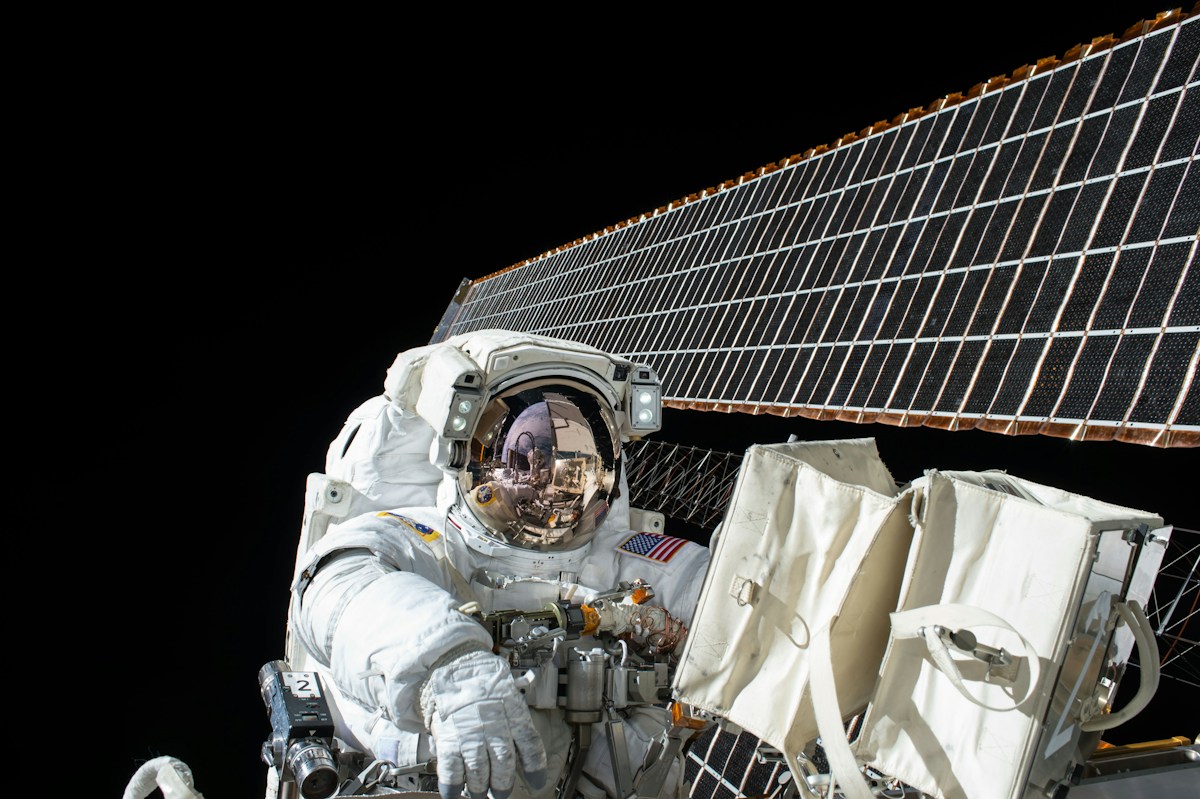
Science is the station's purpose, and crews run experiments in biology, physics, materials, and Earth observation that need weightlessness or the station's unique vantage point. Maintenance is equally constant: filters, pumps, computers, and exercise machines all need care, and spacewalks, though rare, are among the most demanding tasks, requiring hours of preparation and a suit that is essentially a personal spacecraft. Crews train for years for this mix of research and repair.
📖 Continue Reading the Full Story
Continue reading this article on FreeSky Cosmos.
⚡ Access Full Content NowMore from FreeSky Cosmos


 🛍️ Caylin Shop
9 TikTok Shop Dorm Room Essentials Under $20 That Actually Earn Their Space (2026)
Dorm rooms are tiny and budgets are tinier. These nine TikTok Shop finds under $20 — from shower caddies to mi...
 🤖 WinBar AI
How Does the Kelly Criterion Work in Sports Betting?
The Kelly Criterion is the classic formula for sizing bets based on your edge. Here is how it works, why most ...
 🛰️ FreeSky Aerial
How to Sleep on a Long-Haul Flight in Economy Class
Sleeping in economy is a skill: window seat, the right gear, destination-timed sleep and smart hydration. Here...
 🗺️ FreeSky GeoData
After-Hours Answering for GIS Firms: Which Option Actually Works?
Your best project inquiries arrive after hours. An honest comparison of extended office hours, traditional ans...