Mars Opposition Explained: Why the Red Planet Only Shines Bright Every Two Years
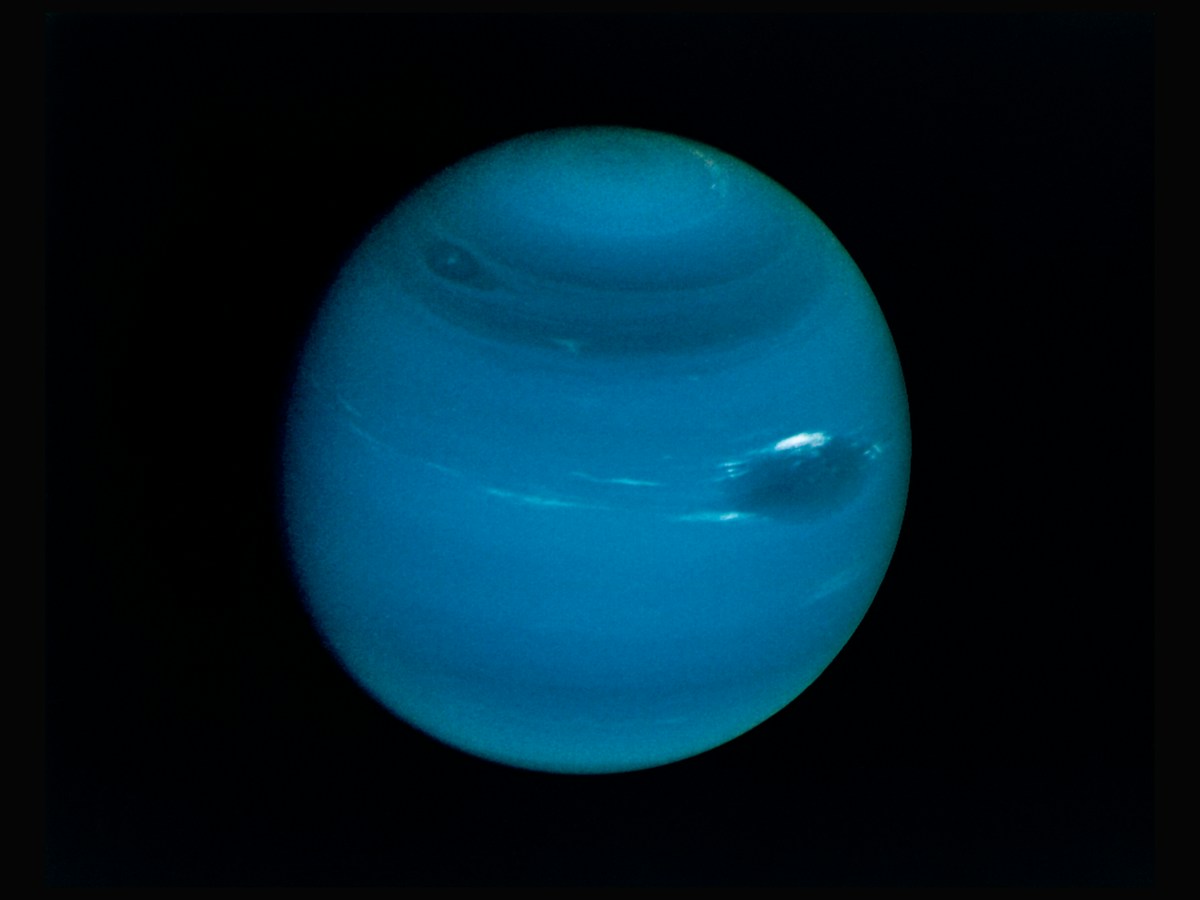
- Primary Signal: Mars Opposition Explained: Why the Red Planet Only Shines Bright Every Two Years
- Overview: Mars only shines its brightest every two years or so — and the reason is opposition. Learn what opposition is, why the gap is 26 months, and why some oppositions are far better tha...
- Verification: Analyzed and compiled by FreeSky Cosmos editorial monitoring desk.
Every couple of years, Mars suddenly becomes the brightest orange star in the sky, and newcomers ask why it is not always that impressive. The answer is opposition — a predictable event in the clockwork of the solar system.
Opposition happens when Earth passes directly between Mars and the Sun. On that night, Mars rises at sunset, is visible all night, and sets at sunrise — and it is also when Mars is closest to Earth.
The roughly two-year-and-two-month gap comes from orbital periods. Earth takes one year to circle the Sun; Mars takes about 687 days. Earth laps Mars the way a faster runner laps a slower one on a track.
Not all oppositions are equal, because Mars's orbit is noticeably elliptical. When opposition coincides with Mars being near perihelion, its closest point to the Sun, the planets come much closer together, and Mars appears dramatically larger.
Plan around the window, not the single night. The best observing extends for several weeks on either side of opposition, when Mars is still large and bright. Mark the date in advance and use the weeks before it to practise.
On a good opposition night with a modest telescope, expect a small but clearly round orange disc, a white polar cap, and, on nights of steady air, dark markings such as Syrtis Major rotating across the disc over successive evenings.
📖 Continue Reading the Full Story
Continue reading this article on FreeSky Cosmos.
⚡ Access Full Content NowMore from FreeSky Cosmos



 🤖 WinBar AI
Why Do Bookmakers Limit Winning Accounts? The Business Logic Explained
Getting limited after winning is frustrating, but it follows a clear business logic. Here is why soft bookmake...
🛰️ FreeSky Aerial
How Do Pilots Land Planes in Thick Fog? Autoland Explained
When pilots can't see the runway, the autopilot takes over. Here's how ILS beams and autoland systems guide ai...
⚡ CyberTech 568
10 Free AI Tools That Save Freelancers 10 Hours a Week
Ten genuinely free AI tools for writing, design, and admin — build them into your workflow and reclaim roughly...
 ☁️ FreeSky Cloud
VPS Backup Automation Guide: Set It Once and Stop Worrying
A practical, step-by-step guide to vps-backup-automation-guide, with the common mistakes to avoid and a reusab...