How to See the ISS Tonight: Trackers, Timings, and Viewing Tips
- Primary Signal: How to See the ISS Tonight: Trackers, Timings, and Viewing Tips
- Overview: The International Space Station is the brightest moving object in the night sky and visible to the naked eye. This guide explains how to find tonight's pass, when to look, and what...
- Verification: Analyzed and compiled by FreeSky Cosmos editorial monitoring desk.
On a clear evening, the International Space Station crosses the sky as a brilliant, steady point of light, brighter than any star and moving noticeably faster than an aeroplane. It needs no telescope and no experience: if you know when and where to look, you can watch a football-field-sized laboratory carrying astronauts pass overhead in a few minutes. Millions of people have seen it without realising, often mistaking it for a plane until they notice it has no flashing lights.
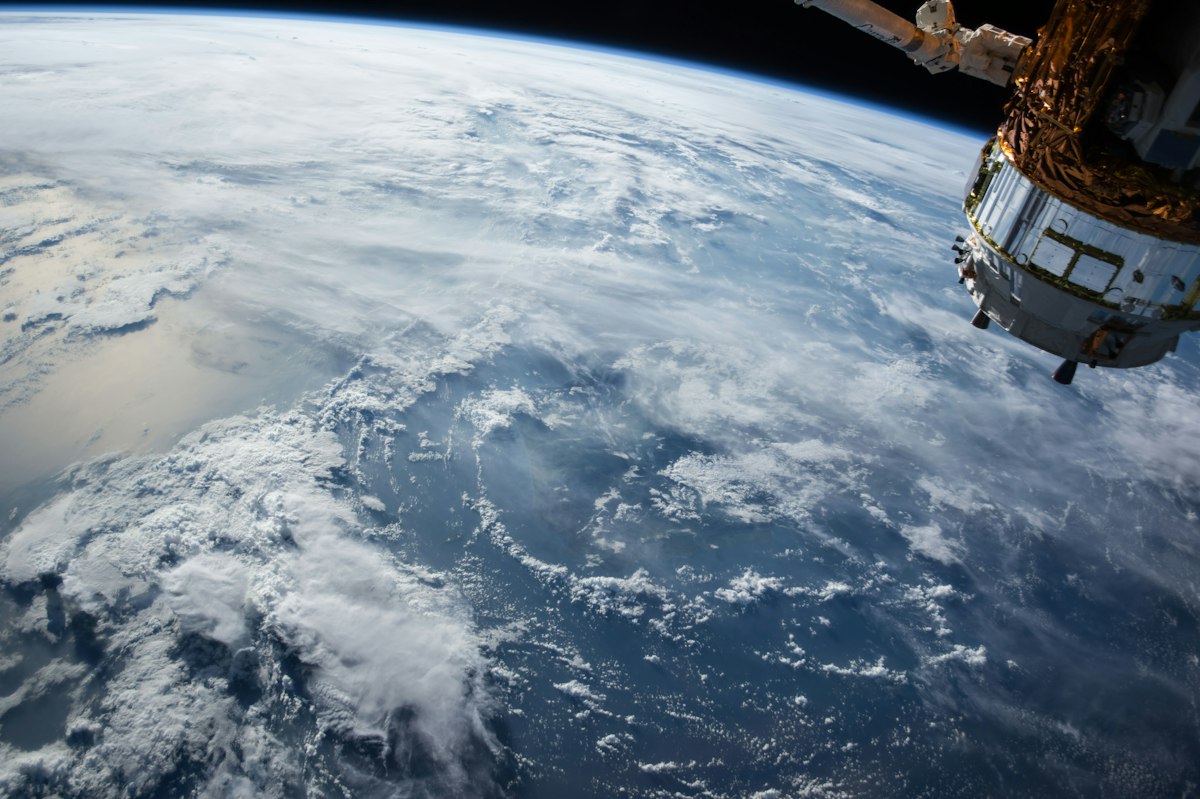
The station orbits about 400 kilometres above Earth, circling the planet roughly every 90 minutes, and it is visible when it catches sunlight while your location is in darkness. That geometry is why passes cluster around dusk and dawn: the station is sunlit against your dark sky. Mid-night passes are rarer in summer and more common in some seasons, and the station's orbit means visible passes come in runs of several evenings followed by quiet gaps.
The easiest method is a dedicated tracker: NASA's Spot the Station service, the Heavens-Above website, or apps such as ISS Detector and Stellarium, all of which compute passes for your exact location. Enter your town or let the app use your location, and you will get a list of upcoming passes with start time, direction, maximum height, and end time. A pass described as bright, with a high maximum elevation, is the one to prioritise.
Go outside a few minutes early, let your eyes adjust, and look toward the start direction a little above the horizon. The station appears as a bright dot that grows brighter as it climbs, moves steadily without blinking, and takes a few minutes to cross the sky. Binoculars will show a slightly elongated shape but cannot resolve detail; the naked-eye view is actually the most satisfying, because the station's motion against the stars is what makes it thrilling.
Occasionally you can catch something extra: a cargo or crew spacecraft chasing the station before docking appears as a fainter dot following the same path, and during some passes the station's solar panels catch the Sun in a brief brightening. Starlink satellite trains, once a novelty, now appear as lines of faint dots and are a different phenomenon worth distinguishing from the station's single brilliant point.
More from FreeSky Cosmos