How Rockets Land Themselves: The Catch, the Flip and the Landing Burn
- Primary Signal: How Rockets Land Themselves: The Catch, the Flip and the Landing Burn
- Overview: A rocket booster falling from space, flipping around, reigniting its engines and landing upright looks like magic. It is a sequence of precise, violent manoeuvres — and it is becom...
- Verification: Analyzed and compiled by FreeSky Cosmos editorial monitoring desk.
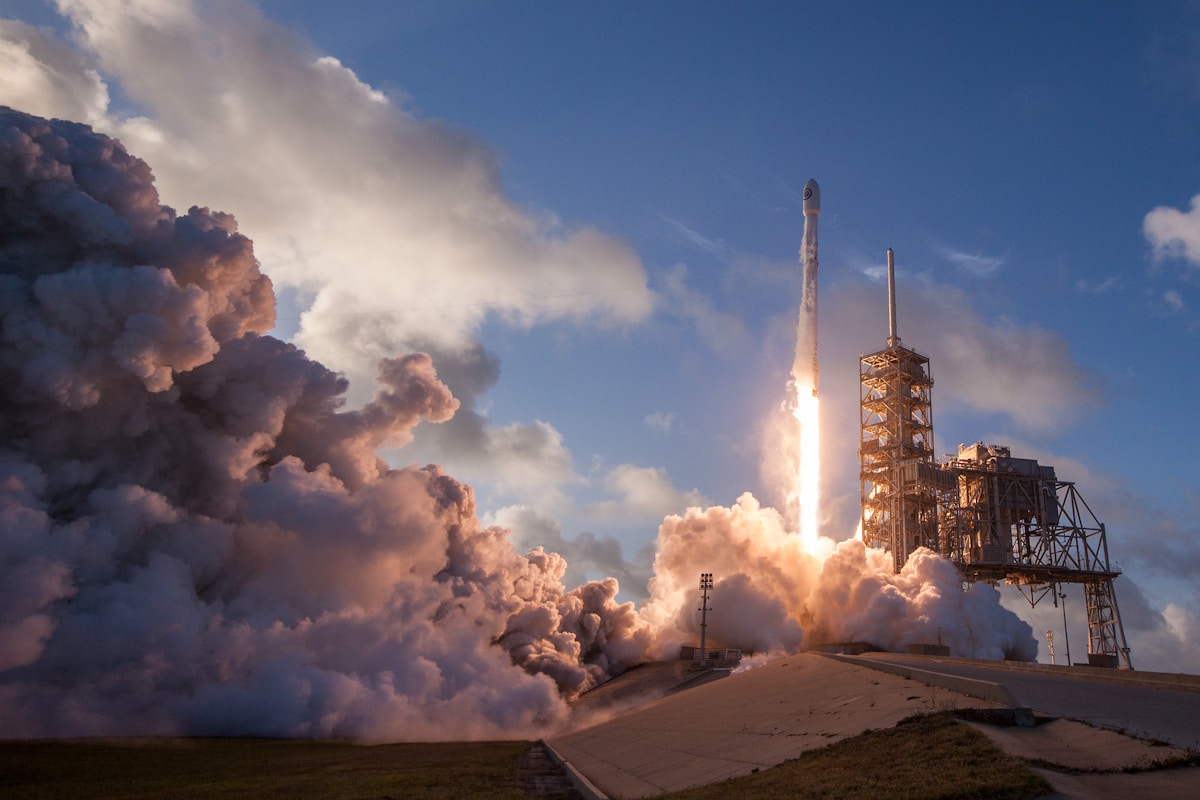
Watch a booster landing and it looks impossible: a building-sized cylinder drops out of the sky, flips end over end, fires its engines at the last possible moment, and sets itself down gently on legs or into a tower's arms. Every part of that sequence is a controlled crisis, and it works because the rocket plans the whole fall before it ever leaves the launch pad.
After separation, the booster is travelling fast, high, and in the wrong direction for landing. Its first job is the boostback burn, a short engine firing that cancels some of its forward speed and aims it back toward the landing site. Then comes the manoeuvre that makes audiences gasp: the booster flips around so its engines point in the direction of travel, using small thrusters and grid fins, the waffle-iron panels that unfold from the top of the booster.
Grid fins are the unsung heroes of landing. They steer the booster through the atmosphere the way a skydiver's arms steer a body, providing control when the booster is falling at supersonic speeds and its engines are off. Without them, the booster would tumble. With them, it can fly a guided path to a precise point on the ground, or to the arms of a catch tower.
More from FreeSky Cosmos