How to Find Planets Tonight Without a Telescope
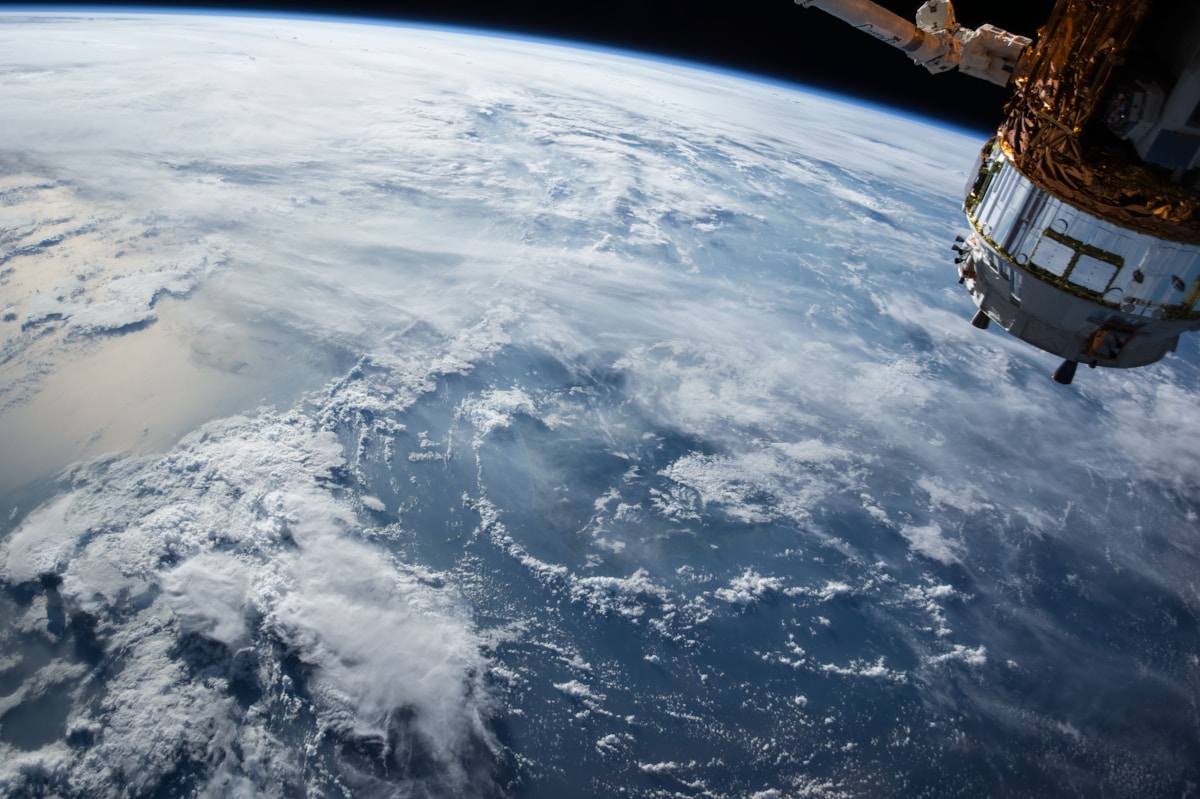
- Primary Signal: How to Find Planets Tonight Without a Telescope
- Overview: You do not need any equipment to spot planets. Learn the simple tricks that separate planets from stars, plus where to look tonight and which free tools confirm what you are seeing...
- Verification: Analyzed and compiled by FreeSky Cosmos editorial monitoring desk.
Five planets are visible to the naked eye, and people have watched them wander across the sky for thousands of years without any equipment at all. Mercury, Venus, Mars, Jupiter, and Saturn can all be found with patience and a little know how, and two of them, Venus and Jupiter, are often the brightest objects in the sky after the Moon. The trick is knowing where to look, when to look, and how to tell a planet apart from an ordinary star, because once you learn those three skills, planet spotting becomes a pleasure you can enjoy from your own backyard.
The first clue is that planets do not twinkle nearly as much as stars. Stars are so far away that they appear as points of light, and turbulence in Earth's atmosphere makes that point dance and flicker. Planets are much closer, so they appear as tiny discs, and the flickering averages out across the disc. If you see a bright, steady light low in the sky that seems calmer than the stars around it, there is a good chance you are looking at a planet. This single test will help you more than any app in your first weeks of observing.
The second clue is location: planets always stay near a path across the sky called the ecliptic, which is the same band the Sun and Moon follow. In practice, this means you should look along the arc the Sun traced during the day, extended into the evening or morning sky. Planets never appear high in the north or randomly scattered like stars; they hug that belt. Learning the ecliptic narrows your search enormously, and after a few sessions you will start to sense where planets ought to be before you even check a chart.
Venus is the easiest planet to find and the best place to start. It appears as a dazzlingly bright star either just after sunset in the west or just before sunrise in the east, depending on where it is in its orbit, and it never strays far from the Sun. Because it is so bright, beginners often mistake it for an aircraft or a strange light, but aircraft move and blink, while Venus stays put and shines steadily. If you see an unreasonably bright object low near sunset, check a planet app, and you will usually find it is Venus.
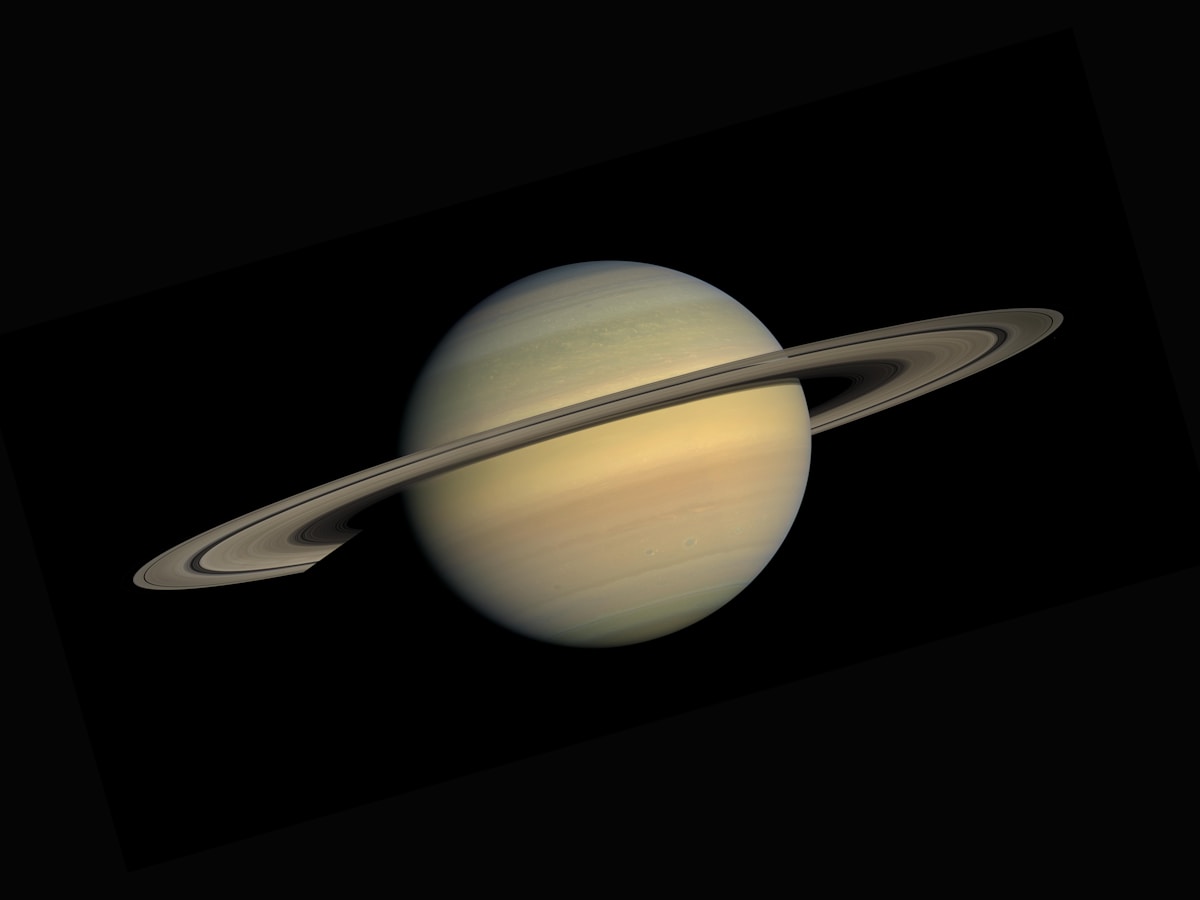
Jupiter is the next easiest target and arguably the most rewarding. It is usually the second brightest planet and sits higher in the sky than Venus, so it is visible for longer on a given night. To the naked eye it looks like a very bright, steady star, but even small binoculars reveal its four largest moons as tiny points in a line. Mars is recognisable by its distinctive reddish orange colour, which stands out clearly against white and blue white stars, while Saturn is fainter and more yellowish, and rewards a telescope view where its rings become visible.
Timing matters, and a free planetarium app removes most of the guesswork. Apps such as Stellarium show you exactly which planets are above your horizon at any hour, and you can hold your phone up to the sky to match what you see. Check the app before you go outside, note the direction and height of each planet, then go out and find them with your eyes first before confirming with the app. This habit trains your sense of the sky instead of making you dependent on the screen, and within weeks you will recognise Jupiter and Venus on sight.
Mercury is the hardest naked eye planet because it never moves far from the Sun and is only visible briefly at dawn or dusk. Your best chance comes during its greatest elongations, when it sits farthest from the Sun, and you need a clear, flat horizon without trees or buildings blocking the view. Look low in the west about thirty minutes after sunset, or low in the east before sunrise, and be patient. Spotting Mercury for the first time feels like a genuine achievement precisely because it takes planning and a clear horizon.
Make planet hunting a regular habit rather than a one off event, because planets move noticeably from week to week against the background stars. Keep a simple log of dates, directions, and colours, and you will start to notice Mars brightening as it approaches opposition or Venus shifting from evening star to morning star. Invite family or friends outside, point out what you have found, and teach them the steady light test. The night sky is free, it is above every backyard, and the planets are waiting there tonight for anyone willing to look up.
📖 Continue Reading the Full Story
Continue reading this article on FreeSky Cosmos.
⚡ Access Full Content NowMore from FreeSky Cosmos


 ☁️ FreeSky Cloud
Best Free Tier Cloud Hosting 2026: Host Projects Without Paying
Compare the best free tier cloud hosting options for 2026, including what is genuinely free, what limits apply...
 🌍 FreeSky Remote
Why Your Remote Job Applications Get Rejected Without an Interview
Qualified candidates get silently rejected from remote jobs every day. These are the real reasons — from ATS f...
 ⚡ CyberTech 568
Internet Latency Test: How Fast Is Your Connection?
Test your internet latency free. Get accurate ping measurements and learn what your numbers mean for gaming an...
🤖 WinBar AI
Instagram Reels Downloader for PC: Save Reels Free Online
Download Instagram Reels to your PC free — no app, no login. Paste the reel link and save in HD quality straig...