Best Beginner Telescope for Planets: What Actually Matters

- Primary Signal: Best Beginner Telescope for Planets: What Actually Matters
- Overview: Buying your first planet telescope is confusing because specs mislead. Aperture, mount stability, and realistic magnification matter far more than advertised power — here is how to...
- Verification: Analyzed and compiled by FreeSky Cosmos editorial monitoring desk.
Every beginner telescope box shouts about magnification, usually a number like 600x. Ignore it. That number is almost meaningless, and it is the main reason first telescopes disappoint.
For planets, aperture — the diameter of the main lens or mirror — is the spec that matters most. More aperture gathers more light and resolves finer detail. A 90 millimetre refractor or a 130 millimetre reflector is a sensible starting point that will show Saturn's rings, Jupiter's cloud belts, and Mars's polar cap.
The mount matters as much as the optics. A wobbly tripod turns every touch into a shaking image at planetary magnifications. A stable alt-azimuth or Dobsonian mount that moves smoothly is worth more than a slightly larger telescope on a flimsy stand.
Realistic magnification for planets is roughly 100x to 200x on most nights, limited by the atmosphere rather than the telescope. Any telescope advertising far more than that is selling a number your sky cannot support.
Before buying, consider a Dobsonian reflector for the best aperture per pound, or a small refractor if you want something low-maintenance and portable. Either way, budget for one or two decent eyepieces rather than a box full of accessories.
Finally, try before you buy if you can. A local astronomy club will let you look through different telescopes and, just as importantly, show you what planets actually look like through a real eyepiece — small, bright, and wonderful.
Eyepieces deserve a word of their own, because they determine magnification and comfort. A telescope that comes with one or two decent Plossl eyepieces will serve you better than one bundled with a box of cheap accessories, including the low-quality Barlow lenses and filters often thrown in to inflate the package. A good starting pair is a low-power eyepiece for finding objects and a medium-power one for planets, roughly 25 millimetres and 10 millimetres in a typical beginner telescope. Buy additional eyepieces later, once you know which magnifications your skies actually support, rather than buying a full set on day one. Quality over quantity applies to eyepieces just as it does to telescopes.
📖 Continue Reading the Full Story
Continue reading this article on FreeSky Cosmos.
⚡ Access Full Content NowMore from FreeSky Cosmos


 🎮 GameVault 668
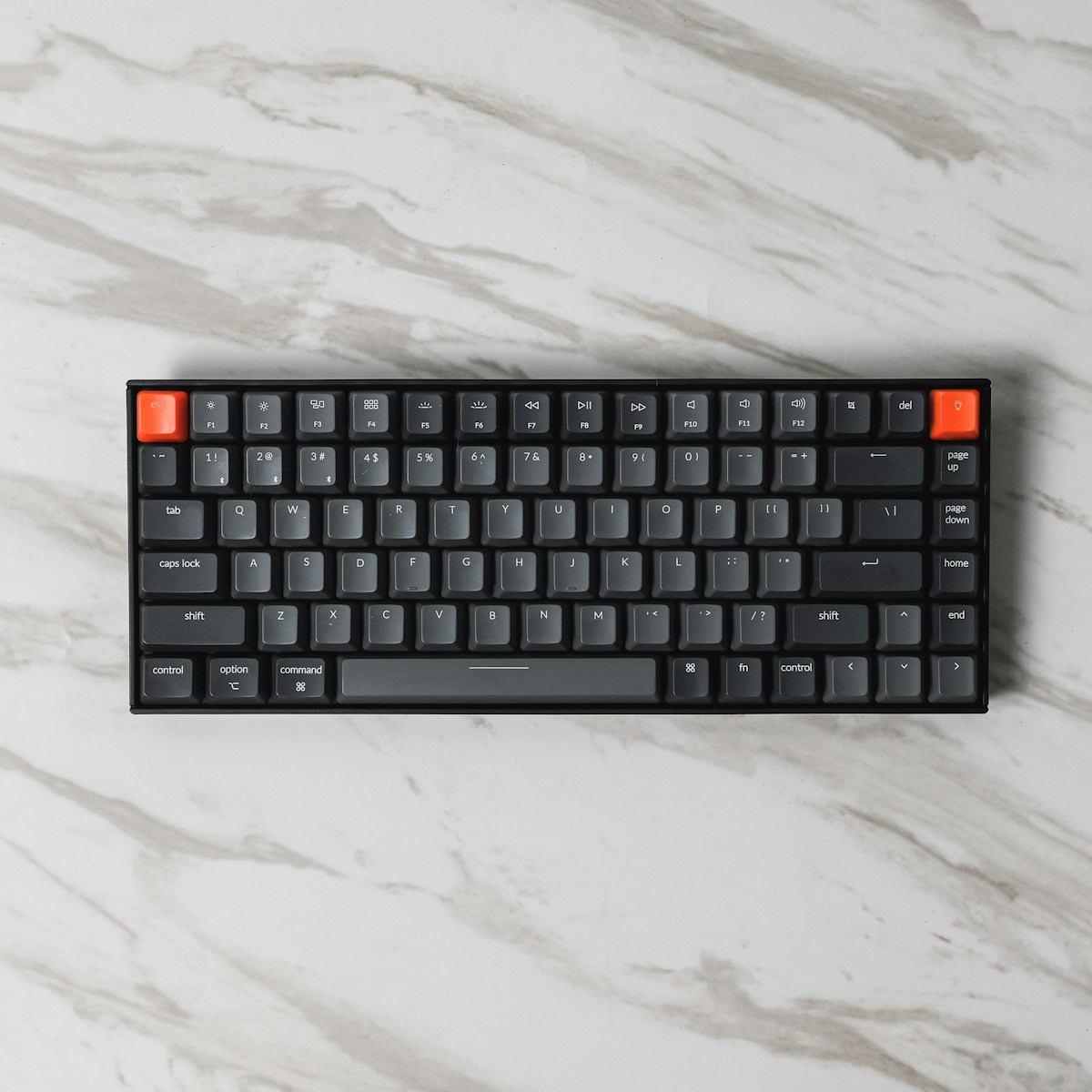
Best Budget Mechanical Keyboards Under $50 for Gaming in 2026
You no longer need to spend a fortune for a solid mechanical gaming keyboard. These sub-$50 picks deliver hot-...
 💎 LuxeLiving 768
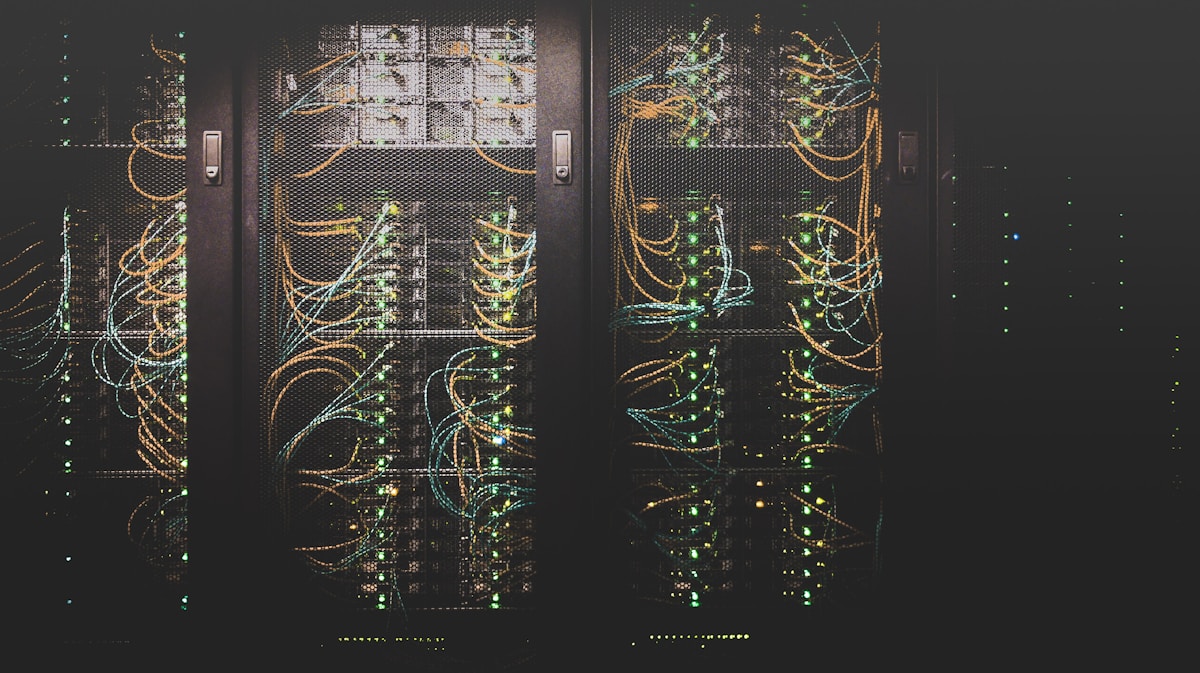
How to Check DNS Records of a Domain: A Beginner's Guide
Checking a domain's DNS records takes under a minute once you know the tools. This guide covers online lookup ...
 📦 Free2Rich Vault
The Pay Yourself First Budgeting Method: A Step-by-Step Guide for Beginners
The pay yourself first method flips the usual budgeting order: savings leave your account on payday, and you b...
 ☁️ FreeSky Cloud
Best Free-Tier Email Marketing Tools for Small Lists in 2026
You don't need a paid plan to start email marketing. Compare free tiers on send limits, automation, and brandi...