Webb has located the host galaxy of the most distant fast radio burst ever detected, FRB 20240304B, a burst from just 3 billion years after the Big Bang. The host is a dwarf galaxy 1,000 times less massive than expected.
Archive: 2026
302 stories published in 2026
Starship is the largest rocket ever flown, and its test flights are free to watch live. Here are the best streams, when to tune in, and the key moments to watch for, from liftoff to the booster catch.
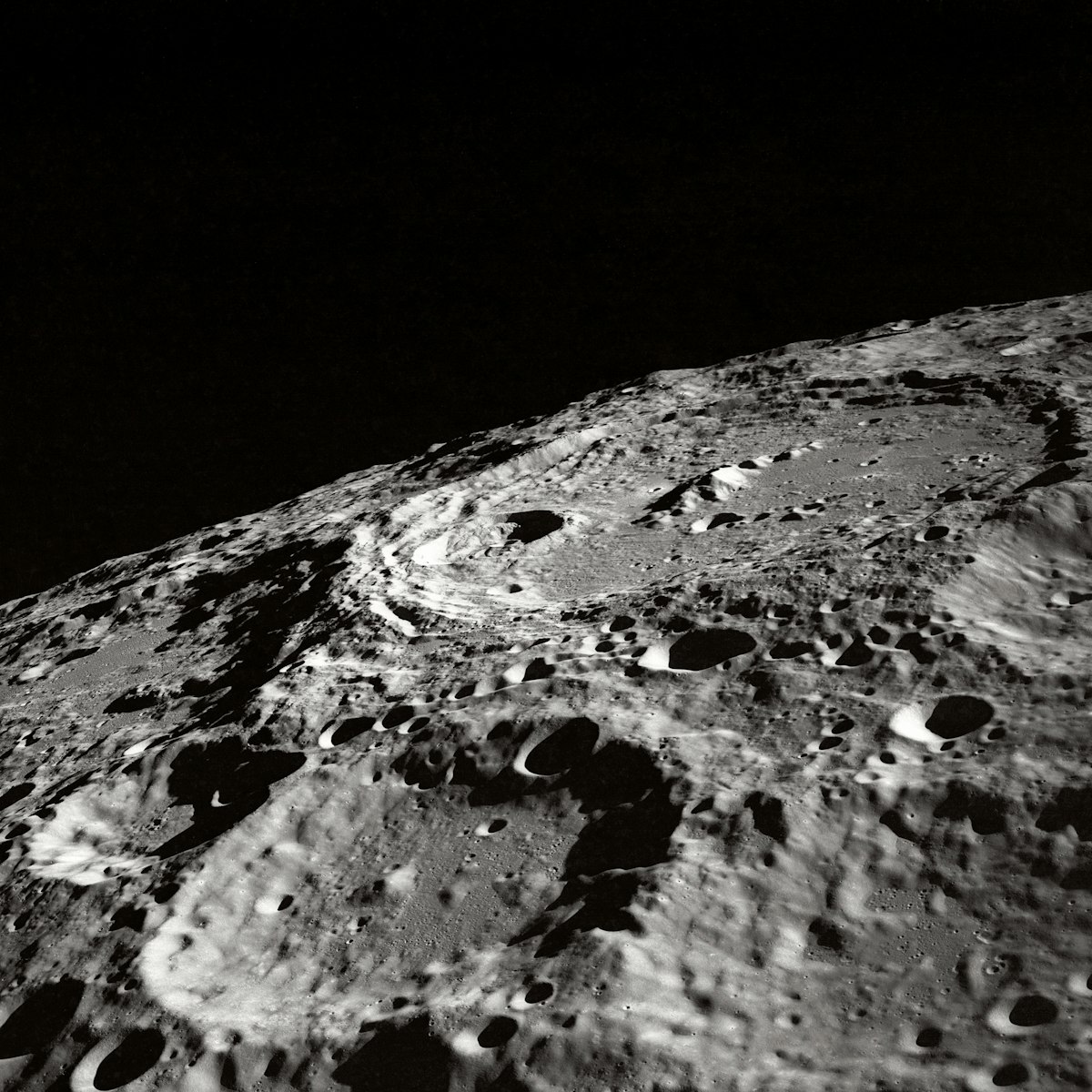
The Moon sits about 384,400 kilometres from Earth on average, but that number changes every day. Here is how the distance varies, how we measure it, and why it matters for eclipses and supermoons.
A solar flare is a sudden explosion of energy on the Sun, and a big one can disrupt radios, GPS and power grids while painting the sky with auroras. Here is how flares work and what to watch for.
The Ursids close out the year's meteor showers around the December solstice, but a bright moon will wash out the faint ones in 2026. Here is when to watch, where to look and how to make the most of a quiet shower.
The Moon does spin, once every 27.3 days, exactly matching its orbit around Earth. That match is tidal locking, and it explains the familiar face we always see, the 59 percent we can glimpse over time, and why the Moon is slowly drifting away.
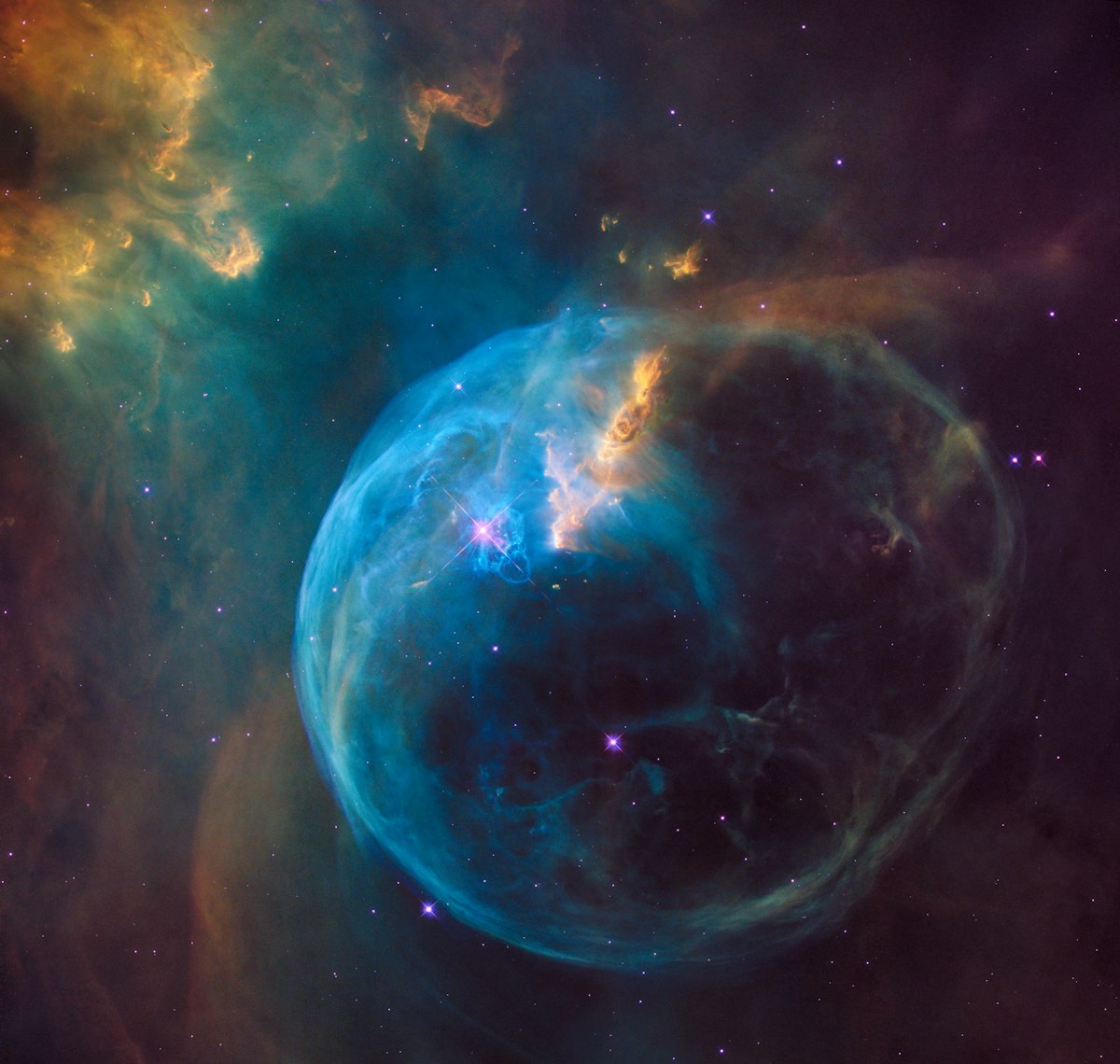
A supernova is the most violent explosion in the modern universe, briefly outshining an entire galaxy. It happens when a massive star runs out of fuel and collapses, and the debris it throws out becomes the raw material for new stars, planets and people.
Galaxies spin too fast for the gravity of their visible stars to hold them together, and clusters of galaxies bend light more than their visible mass should allow. Dark matter is the name for the invisible mass that explains both, and nobody yet knows what it is made of.
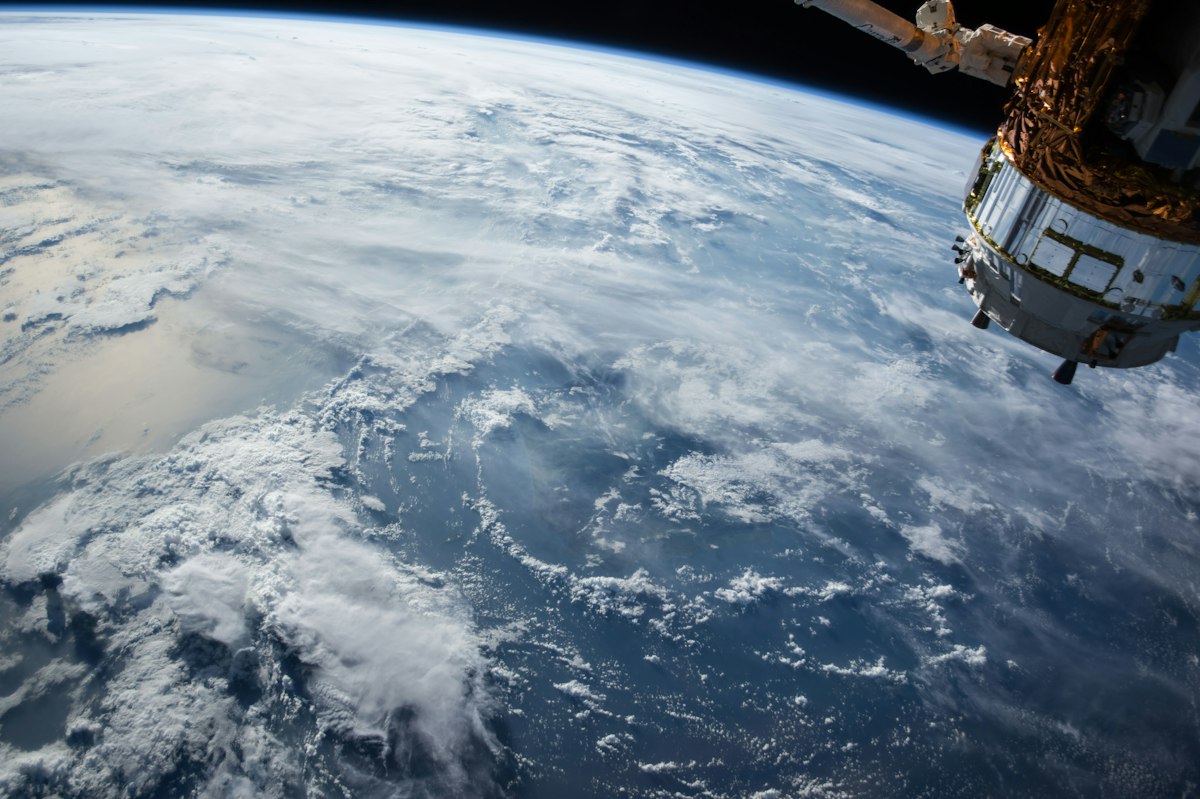
Without gravity pulling on their bodies, astronauts lose muscle and bone fast. Two hours of daily exercise on three specialised machines is the countermeasure, and the routine is as strict as any training programme on Earth.
The Goldilocks zone is the region around a star where temperatures could allow liquid water on a planet's surface. It is the starting point for the hunt for habitable worlds, but being in the zone is only the beginning of the story.
Polaris sits almost directly above Earth's north pole, so it barely moves while the rest of the sky turns around it. Finding it is the first step to navigating by the stars, and it only takes the two pointer stars of the Big Dipper.
A quasar is a supermassive black hole feeding so violently that it outshines its entire host galaxy. They are the brightest objects in the universe, visible across billions of light-years, and they doubled as lighthouses that let astronomers map the distant cosmos.
Proxima Centauri is the closest star to the Sun, just over four light-years away, yet reaching it with today's rockets would take tens of thousands of years. The answer depends entirely on how fast you can go, and the physics of speed is the real obstacle.
December feels rushed because everything lands in the same three weeks. A soft December planner pack puts the budget, the gift list, the menu, and the countdown on a few quiet pages, so the month feels lighter instead of heavier.