How Big Is the Moon Compared to Earth?
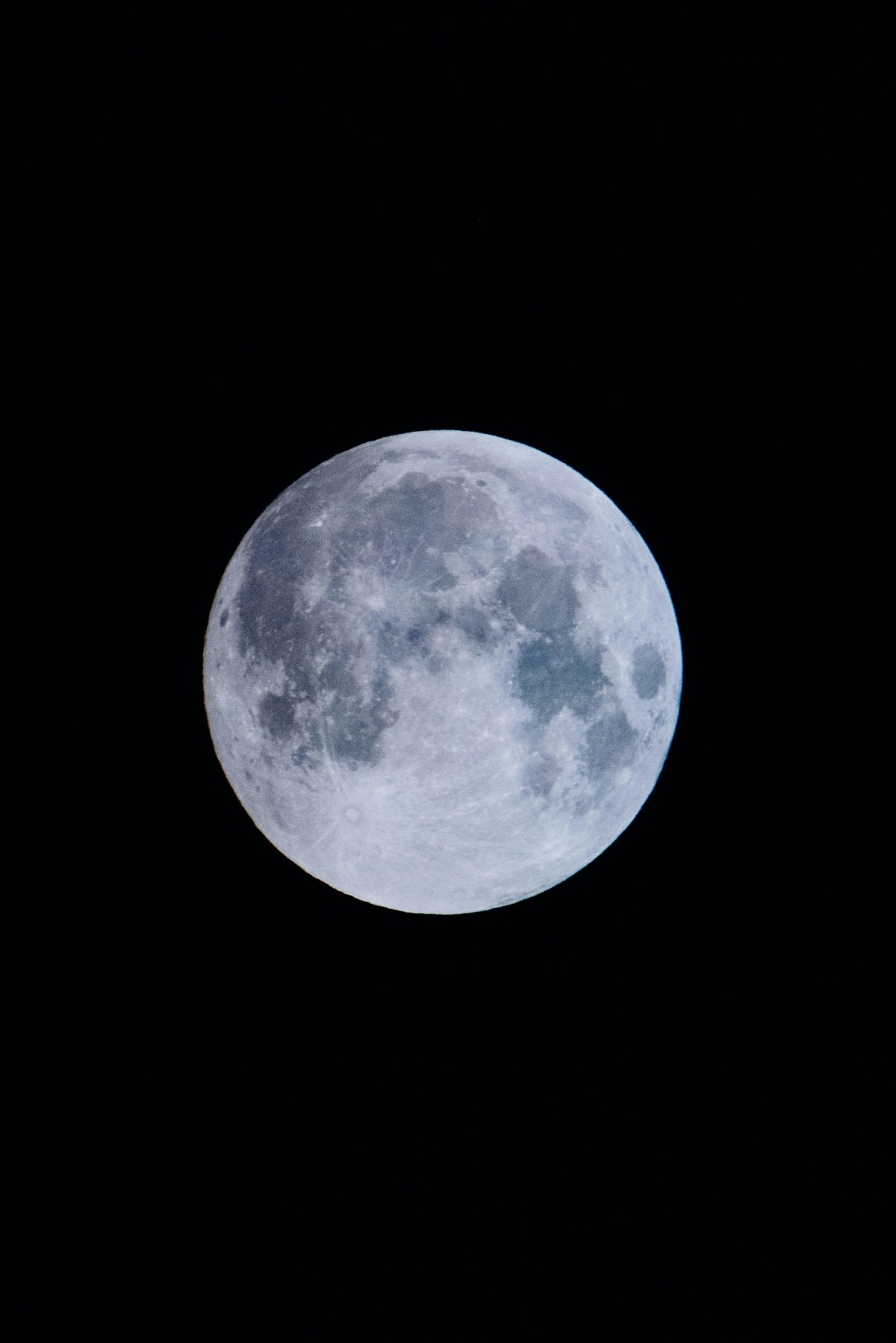
- Primary Signal: How Big Is the Moon Compared to Earth?
- Overview: The Moon is about 27.3 percent as wide as Earth, about 13.5 times smaller in surface area, and about 49.3 times smaller in volume....
- Verification: Analyzed and compiled by FreeSky Cosmos editorial monitoring desk.
The Moon is about 27.3 percent as wide as Earth. Earth is about 3.67 times wider than the Moon, about 13.5 times larger in surface area, and about 49.3 times larger in volume.
Most top pages state the quarter-size fact and stop there. They rarely show the arithmetic, and they rarely explain why a Moon that looks one-quarter as wide is not one-quarter as big overall. The gap matters: width, surface area, and volume scale differently, and this guide shows each step.
Start with diameters. Earth has a diameter of about 12,742 kilometres. The Moon has a diameter of about 3,474 kilometres. Divide 12,742 by 3,474 and you get 3.67. That is the width ratio. Divide 3,474 by 12,742 and multiply by 100 and you get 27.3 percent.
Worked example: use a scale model. Make Earth a ball 12.742 centimetres wide, so 1 centimetre stands for 1,000 kilometres. The Moon on the same scale is 3,474 divided by 1,000, which is 3.474 centimetres wide, rounded to 3.47 centimetres. The model Moon is a little larger than a table-tennis ball next to a grapefruit-sized Earth.
Now work out surface area. Surface area grows with the square of the width ratio. Square 3.67 and you get about 13.5. Earth therefore has about 13.5 times the surface area of the Moon. In plain numbers, the Moon covers about 37.9 million square kilometres, which is slightly less than the continent of Asia.
Volume grows faster still. Volume grows with the cube of the width ratio. Cube 3.67 and you get about 49.3. You would need about 49 Moons to fill the volume of Earth. That is why saying the Moon is one-quarter the size of Earth is true only for width, not for area or volume.
Mass follows a different ratio again, because the Moon is less dense than Earth. The Moon holds about 1.2 percent of Earth's mass. Earth is therefore about 81 times more massive than the Moon, even though it is only 3.67 times wider.
Distance adds to the surprise. The Moon sits about 384,400 kilometres from Earth on average. On the scale model above, that distance is 384.4 centimetres, or 3.84 metres. Four Moons fit across Earth, but about 30 Earths fit in the gap between Earth and the Moon.
Q: Is the Moon one-quarter the size of Earth?
A: Yes, for width only. The Moon is about 27.3 percent of Earth's diameter, but it is far smaller in surface area and volume.
Q: How many Moons would fill Earth?
A: About 49 Moons would fill Earth's volume. This comes from cubing the width ratio of 3.67.
Q: How much does the Moon weigh compared to Earth?
A: The Moon holds about 1.2 percent of Earth's mass. Earth is about 81 times more massive than the Moon.
Q: How far away is the Moon in Earth widths?
A: About 30 Earth diameters fit between Earth and the Moon, using the average distance of about 384,400 kilometres.
📖 Continue Reading the Full Story
Continue reading this article on FreeSky Cosmos.
⚡ Access Full Content NowMore from FreeSky Cosmos

 🎉 FreeFortune Rewards
Cashback Apps That Pay Real Money in 2026: 7 Picks Worth Your Phone Space
Not every cashback app is worth installing, but a handful have long payout records and genuinely free tiers. H...
 📊 Try2Rich Capital
Startup Funding News Today, September 3, 2026: Backbone, Plenti, Rightcharge Outlier Space, Zeit AI, & More
Venture capital is shifting toward specialized AI, physical infrastructure, and software embedded in complex o...
 ⚡ CyberTech 568
Step-by-Step Tutorial: Playback Speed Calculator — Video Time at Any Speed (Day 2 Guide)
How to accurately use the Playback Speed Calculator — Video Time at Any Speed on CyberTech 568. Discover essen...
🤖 WinBar AI
Step-by-Step Tutorial: YouTube Thumbnail Downloader & Grabber — 4K (Day 2 Guide)
How to accurately use the YouTube Thumbnail Downloader & Grabber — 4K on WinBar AI. Discover essential practic...