Geminid Meteor Shower December 2026: Dates, Peak Times and How to Watch
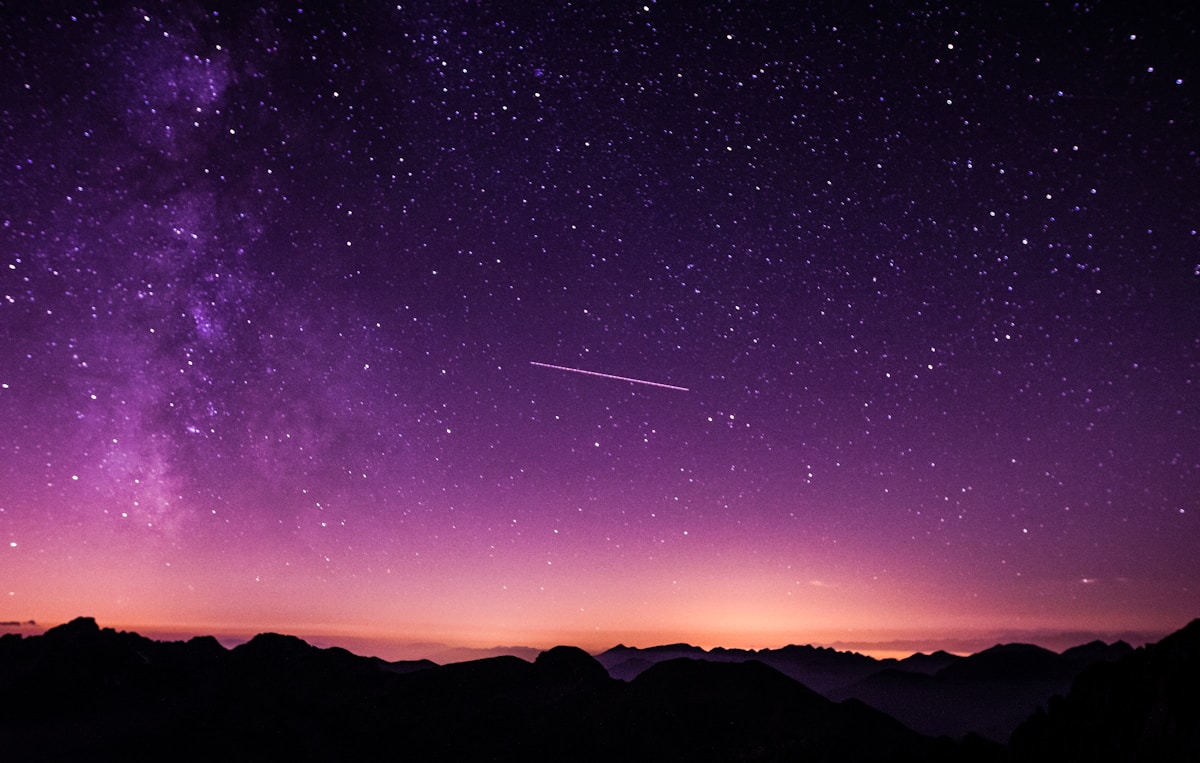
- Primary Signal: Geminid Meteor Shower December 2026: Dates, Peak Times and How to Watch
- Overview: The Geminids peak on December 13-14, 2026 under a thin crescent Moon, making this the best meteor shower of the year for most observers. Here is when to look, where to look, and ho...
- Verification: Analyzed and compiled by FreeSky Cosmos editorial monitoring desk.
The Geminid meteor shower is unusual because its parent body is not a comet but the asteroid 3200 Phaethon, which leaves a dense trail of rocky debris across Earth's orbit every December. When our planet passes through that stream, observers under dark skies can count 120 or more meteors per hour at the peak, roughly double the rate of the famous Perseids in August. The meteors themselves are bright, often yellow-white, and slower than many other showers, which makes them easier to follow with the naked eye and more satisfying for first-time watchers.
In 2026 the timing is especially kind. The peak falls on the night of December 13-14, when the Moon is a thin waning crescent that rises late and stays dim, so moonlight will wash out very few meteors. The radiant, the point in the constellation Gemini from which the meteors appear to stream, climbs high in the evening sky and stays up all night, which means you do not need to wait until the small hours to see good activity. Even from a suburban garden you can expect a meteor every few minutes once your eyes adapt.
Plan your main session for the night of December 13 into the early hours of December 14, with a backup night on December 14-15 in case of cloud. Activity builds after 9 p.m. local time as the radiant rises, and the best rates usually arrive between midnight and 3 a.m., when the radiant is highest and you are facing into Earth's direction of travel. Check a clear-sky forecast rather than a general weather app, and pick a spot with the darkest sky you can reach, ideally with trees or buildings blocking nearby streetlights.
You do not need to stare at Gemini itself. Meteors can appear anywhere in the sky, and the longest, most dramatic trails show up 30 to 40 degrees away from the radiant. Lie back on a reclining chair or blanket, keep your gaze relaxed about halfway up the sky, and let your peripheral vision do the work. Avoid checking your phone, since a single glance at a bright screen resets your night vision and costs you twenty minutes of adaptation. A red torch is the only light you should use.
A camera on a tripod with a wide-angle lens can capture Geminids if you use manual settings: ISO 1600 to 3200, an aperture of f/2.8 or wider, and exposures of 15 to 25 seconds. Point the camera about 40 degrees from the radiant, take continuous frames, and accept that most frames will be empty; meteor photography is a numbers game, and a two-hour session might yield only a handful of bright trails. A phone on a small tripod with a long-exposure mode can catch the brightest fireballs too, though it will miss the fainter majority.
Counting meteors is a genuine contribution to science. Note the time, your sky darkness, and how many meteors you see in each fifteen-minute block, and report the count to the International Meteor Organization. Your data helps researchers map how Phaethon's debris stream shifts from year to year. Even a casual count with a notebook is useful, and it turns a pleasant night out into a small piece of real astronomy. Dress warmer than the forecast suggests, bring a hot drink, and give yourself at least an hour outside.
One final tip separates a good Geminid night from a great one: plan for comfort as carefully as for the sky. Cold observers quit early, so layer clothing, wear a hat, bring an insulated mat to lie on, and pack a thermos of something hot. Invite a friend, because shared meteor watching keeps you alert and makes the quiet hours pass enjoyably, and agree in advance that phones stay face down except for a quick photo attempt. If clouds ruin your peak night, remember that Geminid activity remains strong for several nights on either side of the maximum, so a delayed session still rewards you. The shower returns every December, and each year you watch it you will recognise the radiant, the rhythm, and the patience it teaches a little better.
📖 Continue Reading the Full Story
Continue reading this article on FreeSky Cosmos.
⚡ Access Full Content NowMore from FreeSky Cosmos



 ⚡ CyberTech 568
Step-by-Step Tutorial: Days Between Dates Calculator — Count Days & Weeks (Day 2 Guide)
How to accurately use the Days Between Dates Calculator — Count Days & Weeks on CyberTech 568. Discover essent...
 ☁️ FreeSky Cloud
Best Free Tier Cloud Hosting 2026: Host Projects Without Paying
Compare the best free tier cloud hosting options for 2026, including what is genuinely free, what limits apply...
 🛰️ FreeSky Aerial
How to Carry Medications on International Flights: 2026 Rules
Flying with medication in 2026? This guide covers carry-on rules, the 100 ml exemption for liquid medicines, l...
 🌍 FreeSky Remote
How to Answer the Salary Expectations Question in a Remote Job Interview (2026)
“What are your salary expectations?” is the most awkward question in remote interviews. Here is how to answer ...