Geminids Meteor Shower Viewing Guide: When and How to Watch in December
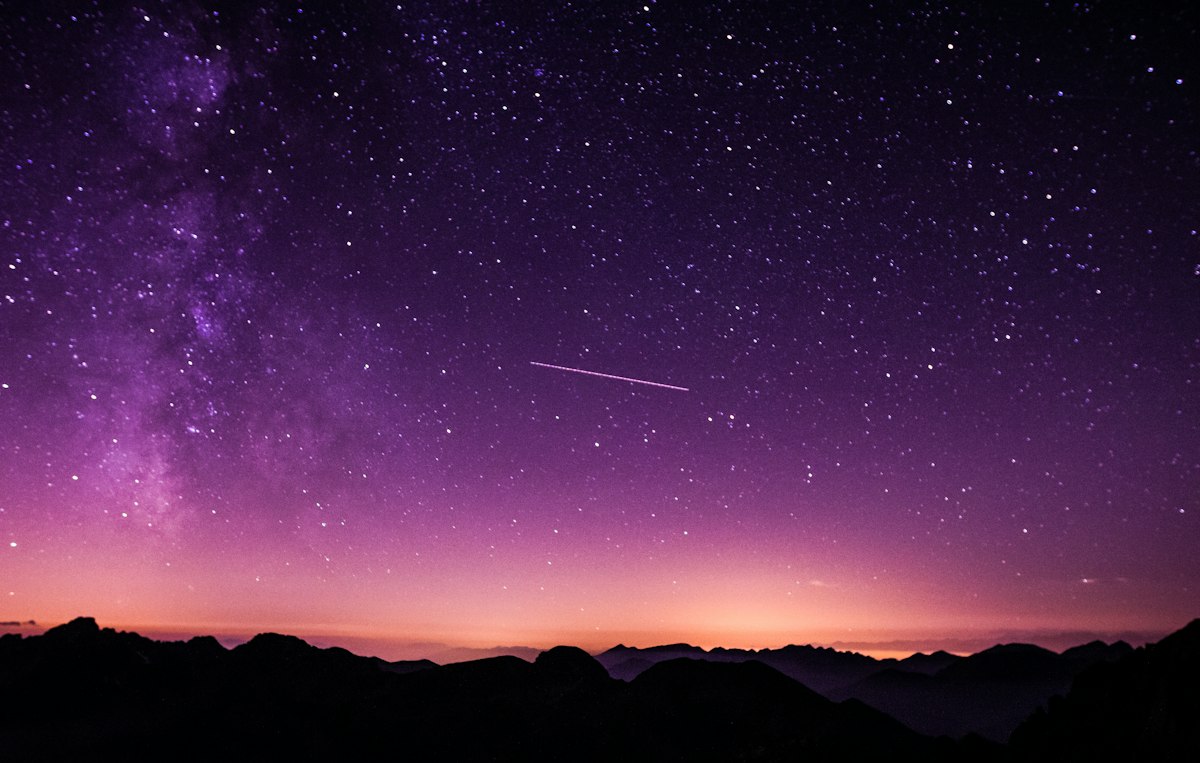
- Primary Signal: Geminids Meteor Shower Viewing Guide: When and How to Watch in December
- Overview: The Geminids are the year's most reliable meteor shower, with bright, slow meteors and a broad peak. This guide covers the best nights, the best hours, and simple techniques that g...
- Verification: Analyzed and compiled by FreeSky Cosmos editorial monitoring desk.
The Geminid meteor shower arrives every December and is widely regarded as the finest shower of the year. Unlike many showers that produce faint, fast streaks, Geminids are often bright, relatively slow, and sometimes colourful, with a respectable share of fireballs. Under dark skies at peak, observers commonly count well over a hundred meteors per hour, which puts the Geminids ahead of the better-known Perseids in sheer numbers.
Geminids come from an unusual parent: the asteroid 3200 Phaethon, a rocky body that behaves a little like a comet near the Sun. Earth passes through the debris stream it leaves behind, and the particles burn up in our atmosphere as meteors. Because the stream is dense and broad, the shower stays active for days, with a peak that typically spans one to two nights in mid-December, making it forgiving if one night clouds over.
The Geminids are active from roughly early to mid-December, with the peak usually falling around the 13th and 14th. The radiant, the point in the sky the meteors appear to come from, lies in the constellation Gemini, near the bright stars Castor and Pollux, and it rises in the early evening and climbs high by late night. Rates build through the evening and are generally best after midnight, when your location on Earth faces most directly into the stream.
Dark skies matter more than any equipment. Drive away from town lights if you can, even twenty minutes makes a visible difference, and let your eyes adapt for at least twenty minutes without looking at phone screens. Bring a reclining chair or a blanket on the ground, warm layers plus one more than you think you need, a hot drink, and a red torch if you need light, since red light preserves night vision far better than white.
A camera on a tripod with a wide lens, a high ISO, and exposures of fifteen to twenty-five seconds can catch bright Geminids, though catching one in any single frame is luck. Point the camera at a dark part of the sky, take continuous frames, and review later; the shower's high rate means a patient hour often yields several captures. A remote shutter or interval timer keeps the camera working while you watch with your eyes.
📖 Continue Reading the Full Story
Continue reading this article on FreeSky Cosmos.
⚡ Access Full Content NowMore from FreeSky Cosmos

 ⚡ CyberTech 568
How to Write Better Prompts for AI Image Generation: A Beginner's Guide
Good AI images start with specific prompts. Learn to describe subject, style, lighting and composition so the ...
 ☁️ FreeSky Cloud
VPS Backup Automation Guide: Set It Once and Stop Worrying
A practical, step-by-step guide to vps-backup-automation-guide, with the common mistakes to avoid and a reusab...
 🍿 CosmoCinema 998
How to Watch Old Bollywood Movies Online Legally (2026 Guide)
Classic Hindi cinema is easier to stream legally than ever — if you know where to look. These official channel...
 🤖 WinBar AI
How to Spot Sharp Money Movement in Betting Odds Before the Line Settles
Sharp money is professional cash moving odds before the public catches on. Here is how to read reverse line mo...