Ursids Meteor Shower December 2026: Peak Night, Moonlight and How to Watch
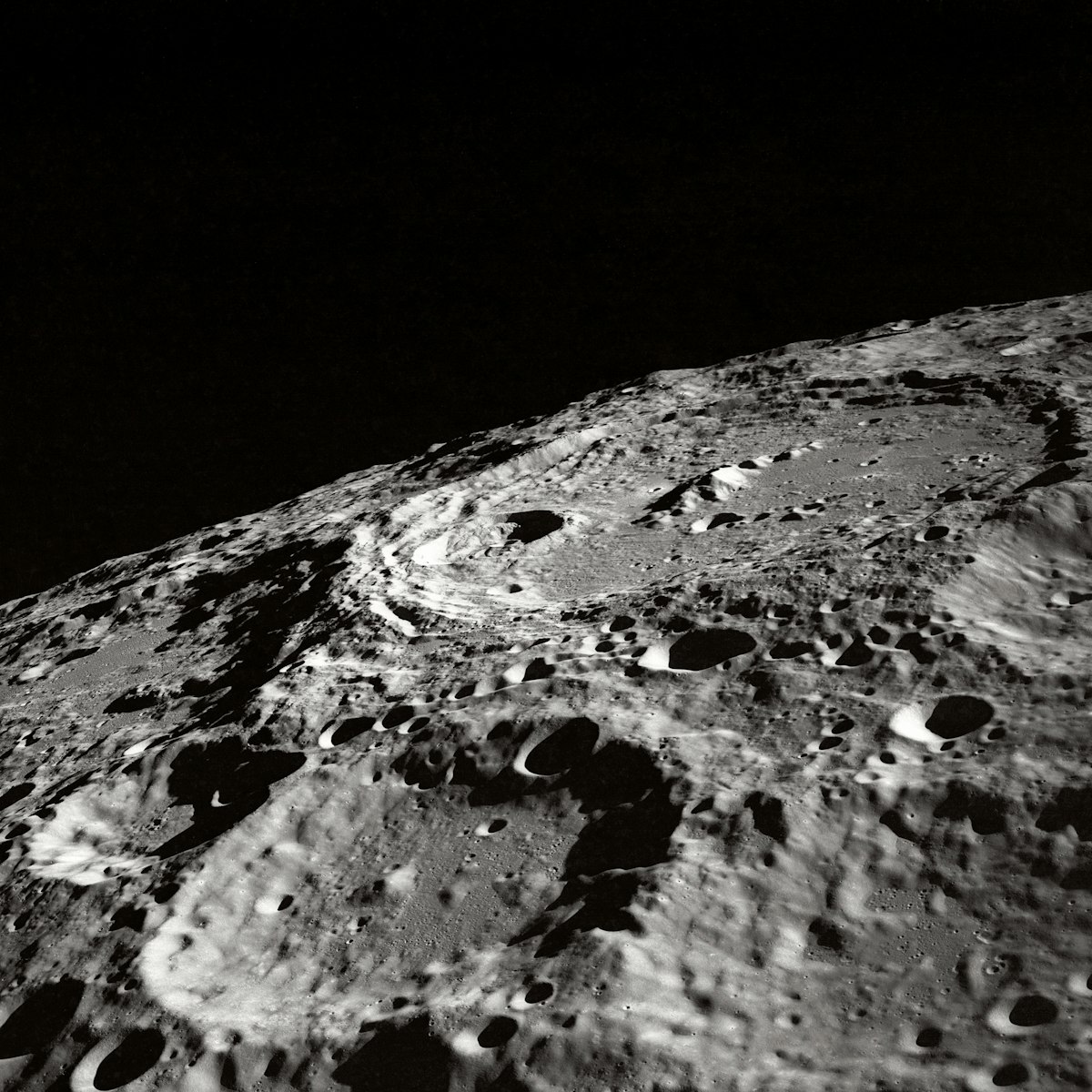
- Primary Signal: Ursids Meteor Shower December 2026: Peak Night, Moonlight and How to Watch
- Overview: The Ursids close out the year's meteor showers around the December solstice, but a bright moon will wash out the faint ones in 2026. Here is when to watch, where to look and how to...
- Verification: Analyzed and compiled by FreeSky Cosmos editorial monitoring desk.
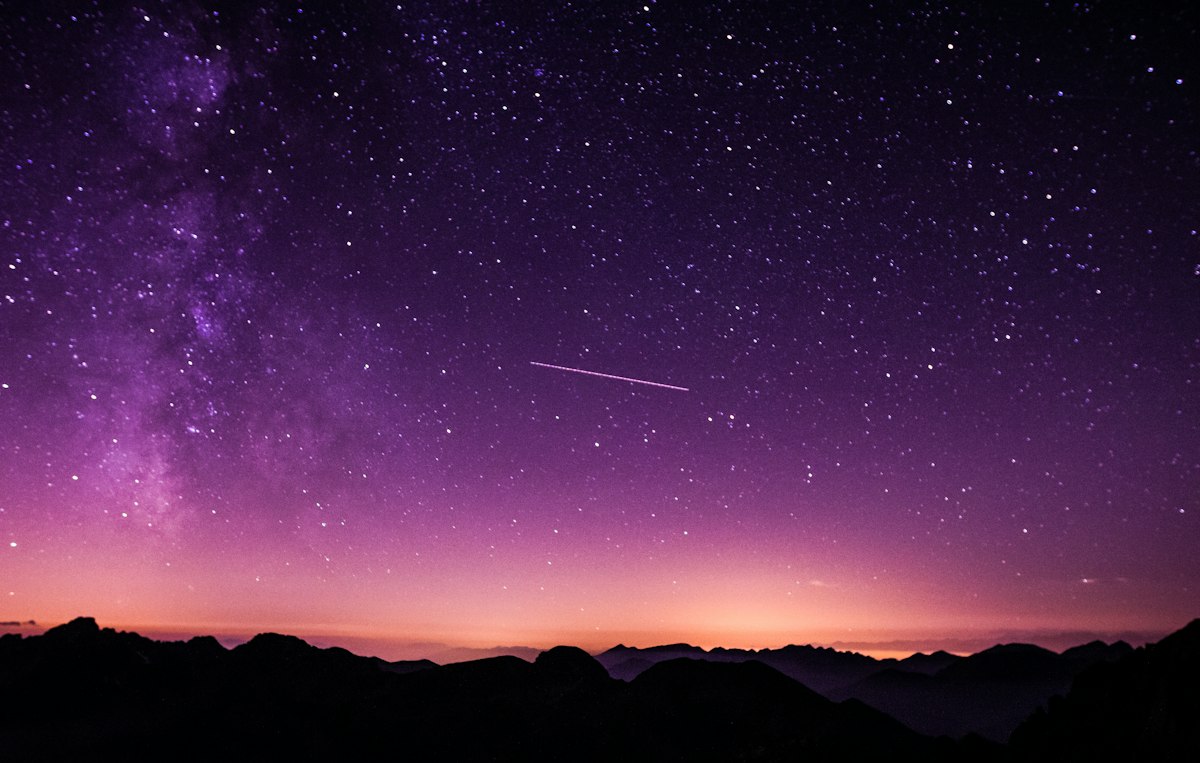
The Ursids are the last meteor shower of the year, and they are also one of the quietest. Active roughly from December 17 to 26, the shower peaks on the night of December 21 to 22, 2026, right around the winter solstice. Under a dark sky you can expect around 5 to 10 meteors per hour, which sounds modest next to the Geminids, but the Ursids have a habit of surprising observers with the occasional bright fireball.
The Ursids come from comet 8P/Tuttle, a periodic comet that circles the Sun roughly every 13.6 years. Each time the comet passes, it leaves a trail of dust and small pebbles along its orbit. When Earth ploughs through that trail in December, the particles burn up high in the atmosphere and we see them as shooting stars. The meteors appear to radiate from a point near the star Kochab in the Little Dipper, in the constellation Ursa Minor.
When to watch in 2026
The predicted peak falls around 20:59 UTC on December 22, 2026, which means the best viewing window for most people is the night of December 21 into the morning of December 22. If your sky is cloudy that night, do not give up: the shower is active for more than a week, so the nights either side of the peak can still deliver a few meteors, and the moonlight is slightly weaker away from full moon. Some forecasts also mention a possible small enhancement on December 22 around 14:00 GMT, when rates could briefly rise toward 20 per hour, though that timing favours observers in Asia and the Pacific more than the Americas.
Late night is usually better than early evening, because the radiant climbs higher as the night goes on and the Moon sinks lower toward the horizon in the hours before dawn. If you can, plan to be outside for at least an hour. Meteor watching rewards patience: your eyes need 20 to 30 minutes to fully adapt to the dark, and the first meteors often arrive just as you are thinking of going back inside. Dress far warmer than you think you need, bring a reclining chair or a sleeping bag, and keep a hot drink nearby.
Where to look and how to beat the moonlight
Start by finding the Little Dipper, which hangs from Polaris, the North Star. The two outer stars of the Big Dipper's bowl always point to Polaris, so find the Big Dipper first and follow the pointer stars. The Ursid radiant sits near Kochab, one of the brighter stars in the Little Dipper's bowl. You do not need to stare at the radiant itself: meteors can appear anywhere in the sky, and they often look best 30 to 40 degrees away from it, where their trails appear longer.
Moonlight is the main enemy in 2026, so put the Moon behind something. A building, a hill or a large tree that blocks the lunar disc will noticeably improve what you can see, and facing away from the Moon helps too. Look at a dark patch of sky about 45 degrees above the horizon rather than straight up or toward the Moon. Avoid phone screens and white torches, which reset your dark adaptation in seconds; a dim red light is the classic astronomer's workaround if you need to check a star chart or find your footing.
What to bring and what to expect
You need no telescope and no binoculars for a meteor shower. In fact, both narrow your field of view and make you miss most of the action. Your unaided eyes, fully dark adapted, are the best instrument for this job. A reclining chair or a blanket on the ground saves your neck, and a sleeping bag keeps you out long enough for the shower to reward you. A thermos of something hot and a friend to share the watch with are the two most underrated pieces of equipment in astronomy.
Set your expectations honestly. With a bright moon in 2026, a good night might mean a handful of bright meteors rather than a constant stream. That is still worth it: Ursid meteors are often described as slow and graceful, and a single bright fireball crossing the whole sky is more memorable than a dozen faint streaks. If you see one, note the time and direction. Reporting bright fireballs to the American Meteor Society helps scientists refine the shower's behaviour, and it costs nothing but a minute of your time.
Frequently Asked Questions
Q: What time do the Ursids peak in December 2026?
A: The peak is predicted for around 20:59 UTC on December 22, 2026, so the best night for most observers is December 21 into the morning of December 22. The shower is active from about December 17 to 26.
Q: Can I see the Ursids from the Southern Hemisphere?
A: Barely. The radiant sits near the north celestial pole and does not rise well from southern latitudes, so the Ursids are essentially a Northern Hemisphere shower.
Q: Do I need binoculars or a telescope to watch the Ursids?
A: No. Meteors cover too much sky for optics. Your dark-adapted eyes, a dark site and about 30 minutes of patience are the best tools.
📖 Continue Reading the Full Story
Continue reading this article on FreeSky Cosmos.
⚡ Access Full Content NowMore from FreeSky Cosmos


 ☁️ FreeSky Cloud
Homelab Starter Guide 2026: Build Your First Home Server for Under $300
You do not need a rack of enterprise hardware to start a homelab. A used mini PC, a few free services, and one...
 🛰️ FreeSky Aerial
Drone Remote ID Rules in 2026: What Every Pilot Needs to Know
Remote ID turns your drone into a digital licence plate, broadcasting its identity and location in flight. Her...
 🗺️ FreeSky GeoData
Best QGIS Plugins in 2026: 10 Tools That Save Hours on Every Project
A curated, tested shortlist of the best QGIS plugins for basemaps, OpenStreetMap queries, classification, prof...
 🌍 FreeSky Remote
Croatia Digital Nomad Visa 2026: Requirements, Costs and How to Apply
Croatia's digital nomad visa offers up to a year on the Adriatic coast with a modest income threshold by Europ...