Telescope vs Binoculars for Stargazing: Which Is Right for Beginners?
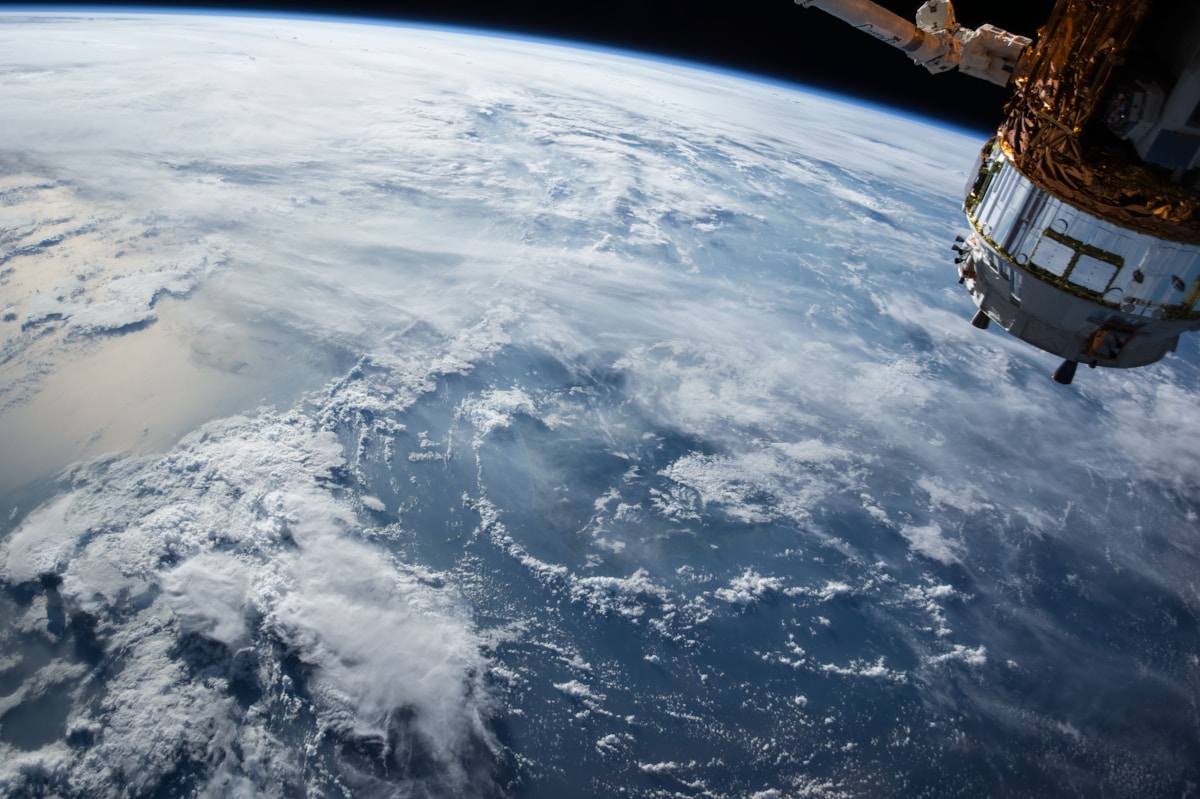
- Primary Signal: Telescope vs Binoculars for Stargazing: Which Is Right for Beginners?
- Overview: Binoculars are portable and beginner-friendly; telescopes reveal finer detail but need more setup. Here is how to choose based on what you actually want to see....
- Verification: Analyzed and compiled by FreeSky Cosmos editorial monitoring desk.
Choosing between a telescope and binoculars is one of the first decisions in stargazing, and the answer depends on what you want to see, how much you want to spend, and how much patience you have. Binoculars are simpler, cheaper, and more forgiving. Telescopes show more detail, but they require setup, alignment, and practice. Many experienced astronomers own both, and use them for different nights.
Binoculars are the best starting point for most beginners. A pair of 10x50 binoculars gathers far more light than the naked eye, revealing the Moon's craters, Jupiter's four largest moons, star clusters, and the Andromeda Galaxy as a faint smudge. They are portable, easy to use, and useful in daylight too, which makes them a low-risk first purchase. They also teach you the sky, because you learn to find objects by star-hopping rather than relying on a computerised mount.
Binoculars have limits, of course. They cannot show the rings of Saturn clearly, or the detail of distant galaxies, or the surface of Mars. Their magnification is modest, and hand shake becomes noticeable at higher powers. A tripod adapter helps, but binoculars remain a wide-field instrument: excellent for sweeping the Milky Way, less good for small, detailed targets.
Telescopes make sense when you want detail: Saturn's rings, Jupiter's cloud bands, lunar craters in sharp relief, and double stars split into two points. A small refractor or a Dobsonian reflector is a good first telescope, offering solid optics without complex electronics. Avoid very cheap telescopes with shaky mounts and exaggerated magnification claims; a stable mount matters more than maximum power.
Telescopes also demand more effort. You must set up, align, and sometimes collimate the optics, and you must learn to find objects, which can be frustrating on a first night. Computerised GoTo telescopes help by pointing automatically, but they cost more and still require alignment and power. For many beginners, that effort is rewarding; for others, it becomes a barrier that keeps the telescope in a cupboard.
A practical path is to start with binoculars, learn the sky for a few months, and then decide what you want to see in more detail. If you find yourself craving planets and lunar detail, a telescope is the next step. If you love wide-field views of the Milky Way and star clusters, you may prefer larger binoculars or a rich-field telescope. Either way, dark skies and regular practice will improve your views more than any single purchase.
In short, binoculars are the easy, portable introduction, telescopes are the detailed, dedicated next step, and both are valid ways to enjoy the night sky. The best instrument is the one you will actually use on clear nights, not the one with the most impressive specifications.
Regardless of which instrument you choose, a few accessories make a real difference. A red flashlight preserves night vision, a star chart or app helps you find targets, and a comfortable chair or observing stool lets you look up for longer without neck strain. For telescopes, a small set of eyepieces covering low, medium, and high magnification is more useful than a single high-power eyepiece.
Avoid buying many accessories at once. Start with the instrument, learn its limits, and add one accessory at a time as you discover a need. That approach saves money, keeps your kit portable, and ensures each purchase genuinely improves your observing rather than adding clutter to your bag.
Whichever you choose, start on the next clear night, learn a few constellations, and let curiosity — not equipment — guide your next step under the stars.
📖 Continue Reading the Full Story
Continue reading this article on FreeSky Cosmos.
⚡ Access Full Content NowMore from FreeSky Cosmos

 🌍 FreeSky Remote
The Best Freelance Rate Calculator Methods for Beginners (2026)
New freelancers almost always undercharge. Here are the rate-setting methods that actually work for beginners ...
 ⚡ CyberTech 568
Best Free AI Voice Changer for Gaming in 2026
A good voice changer adds fun to game night without lag or robotic audio. Compare the best free options for Di...
 🤖 WinBar AI
How to Spot Sharp Money Movement in Betting Odds Before the Line Settles
Sharp money is professional cash moving odds before the public catches on. Here is how to read reverse line mo...
 ☁️ FreeSky Cloud
Best Free Tier Cloud Hosting 2026: Host Projects Without Paying
Compare the best free tier cloud hosting options for 2026, including what is genuinely free, what limits apply...