James Webb Telescope Discoveries 2026: Early Galaxies, Exoplanets, and What Comes Next
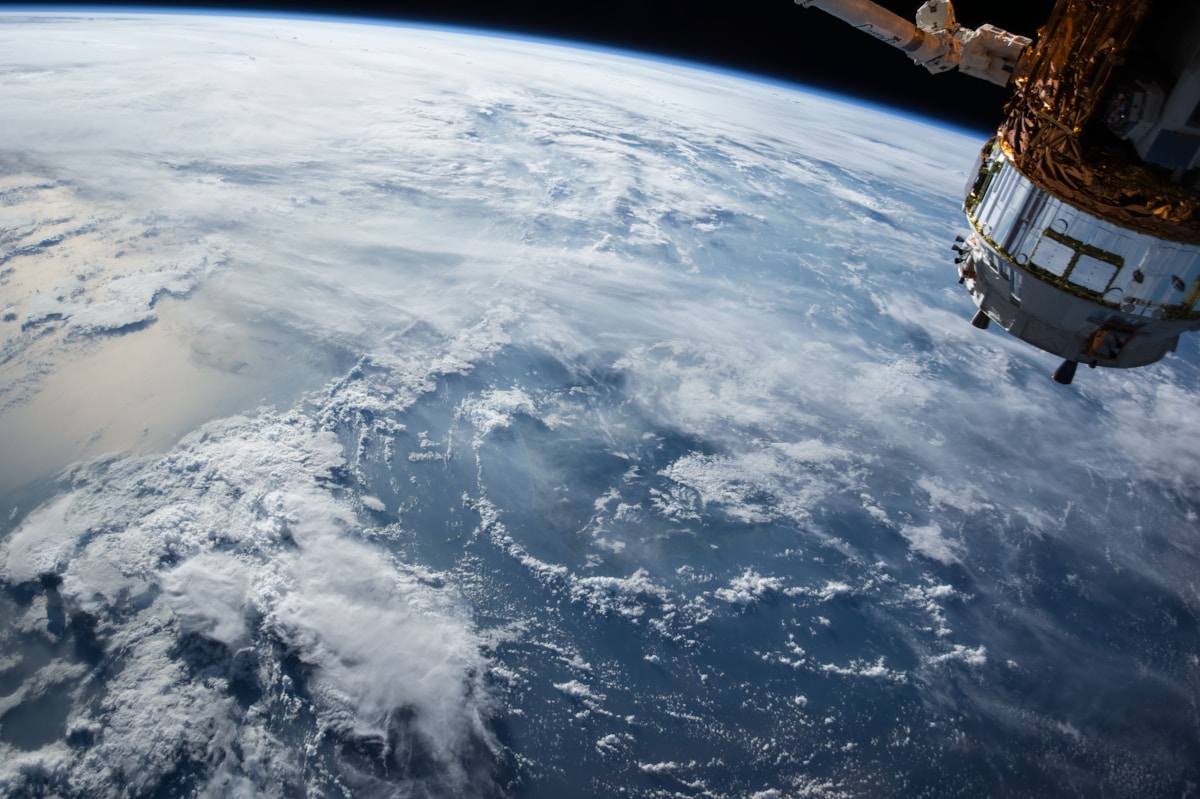
- Primary Signal: James Webb Telescope Discoveries 2026: Early Galaxies, Exoplanets, and What Comes Next
- Overview: James Webb's 2026 work continues to sharpen our view of early galaxies, exoplanet atmospheres, and star birth — not with single headlines, but with steady, testable evidence....
- Verification: Analyzed and compiled by FreeSky Cosmos editorial monitoring desk.
The James Webb Space Telescope continues to reshape astronomy, and its 2026 discoveries build on a pattern that has defined the mission since its first images: seeing the early universe, distant galaxies, and exoplanet atmospheres in sharper detail than ever before. Webb observes in infrared light, which lets it peer through dust clouds and capture light that has been stretched by the expansion of the universe over billions of years. That capability turns faint, ancient signals into detailed data scientists can study.
One of Webb's most striking contributions is its view of galaxies that formed within the first few hundred million years after the Big Bang. These galaxies are smaller, more irregular, and more active than astronomers once expected, with bright star formation and black holes that grew surprisingly quickly. Each new survey refines our picture of cosmic dawn, the era when the first stars lit up the darkness and began to shape the universe we see today.
Webb's infrared instruments also help distinguish real early galaxies from nearer objects that can mimic them. By measuring light across multiple wavelengths, astronomers can estimate distance, age, and composition with greater confidence than before. That careful verification matters, because claims about the earliest galaxies attract enormous attention, and Webb's strength is not just discovery, but the ability to test those discoveries rigorously.
Closer to home, Webb studies exoplanets by watching starlight filter through their atmospheres during transits. Tiny dips and colour changes in that light reveal gases such as water vapour, carbon dioxide, and methane, giving clues about temperature, clouds, and chemistry. No single observation proves habitability, but the pattern of gases helps scientists prioritise which worlds deserve deeper study.
Webb also observes star-forming regions, dying stars, and distant nebulae with a clarity that reveals structure hidden to earlier telescopes. Dust that once blocked the view now becomes a subject in itself, showing how stars are born inside cold clouds and how their winds and radiation sculpt the gas around them. These images are beautiful, but their scientific value lies in the measurements behind them.
For readers following Webb in 2026, the most useful habit is to look past headlines and check what a discovery actually measured: a spectrum, an image, a distance estimate, or a chemical signature. Webb's legacy will not be one image, but a steady accumulation of evidence that rewrites textbooks chapter by chapter. As new surveys are released, expect refinements rather than single dramatic reversals, and a deeper, more detailed map of the universe's first billion years.
Whether you follow Webb for galaxies, planets, or star birth, the telescope rewards patience. Its discoveries arrive as peer-reviewed papers, public data releases, and carefully explained images, and each one adds a small, solid piece to a much larger puzzle about where we come from and what else might be out there.
Webb data does not stay locked in observatories. After a proprietary period for the proposing scientists, most observations become public, allowing independent researchers, students, and citizen scientists to analyse the same images and spectra. This openness has produced unexpected discoveries, as fresh eyes notice features the original team missed, and it means Webb's impact grows long after each observation is taken.
For casual followers, the best sources are the official Webb image releases, which explain what an image shows and what it does not show, and reputable astronomy news outlets that link to the underlying papers. Avoid sources that promise a single image overturns cosmology; real progress in astronomy is usually gradual, detailed, and built on many observations over time.
📖 Continue Reading the Full Story
Continue reading this article on FreeSky Cosmos.
⚡ Access Full Content NowMore from FreeSky Cosmos

 ⚡ CyberTech 568
Best Free AI Voice Changer for Gaming in 2026
A good voice changer adds fun to game night without lag or robotic audio. Compare the best free options for Di...
 ☁️ FreeSky Cloud
Best Free Tier Cloud Hosting 2026: Host Projects Without Paying
Compare the best free tier cloud hosting options for 2026, including what is genuinely free, what limits apply...
 🛰️ FreeSky Aerial
How to Carry Medications on International Flights: 2026 Rules
Flying with medication in 2026? This guide covers carry-on rules, the 100 ml exemption for liquid medicines, l...
 🌍 FreeSky Remote
How to Answer the Salary Expectations Question in a Remote Job Interview (2026)
“What are your salary expectations?” is the most awkward question in remote interviews. Here is how to answer ...