James Webb Exoplanet Atmospheres: What the Telescope Has Actually Found
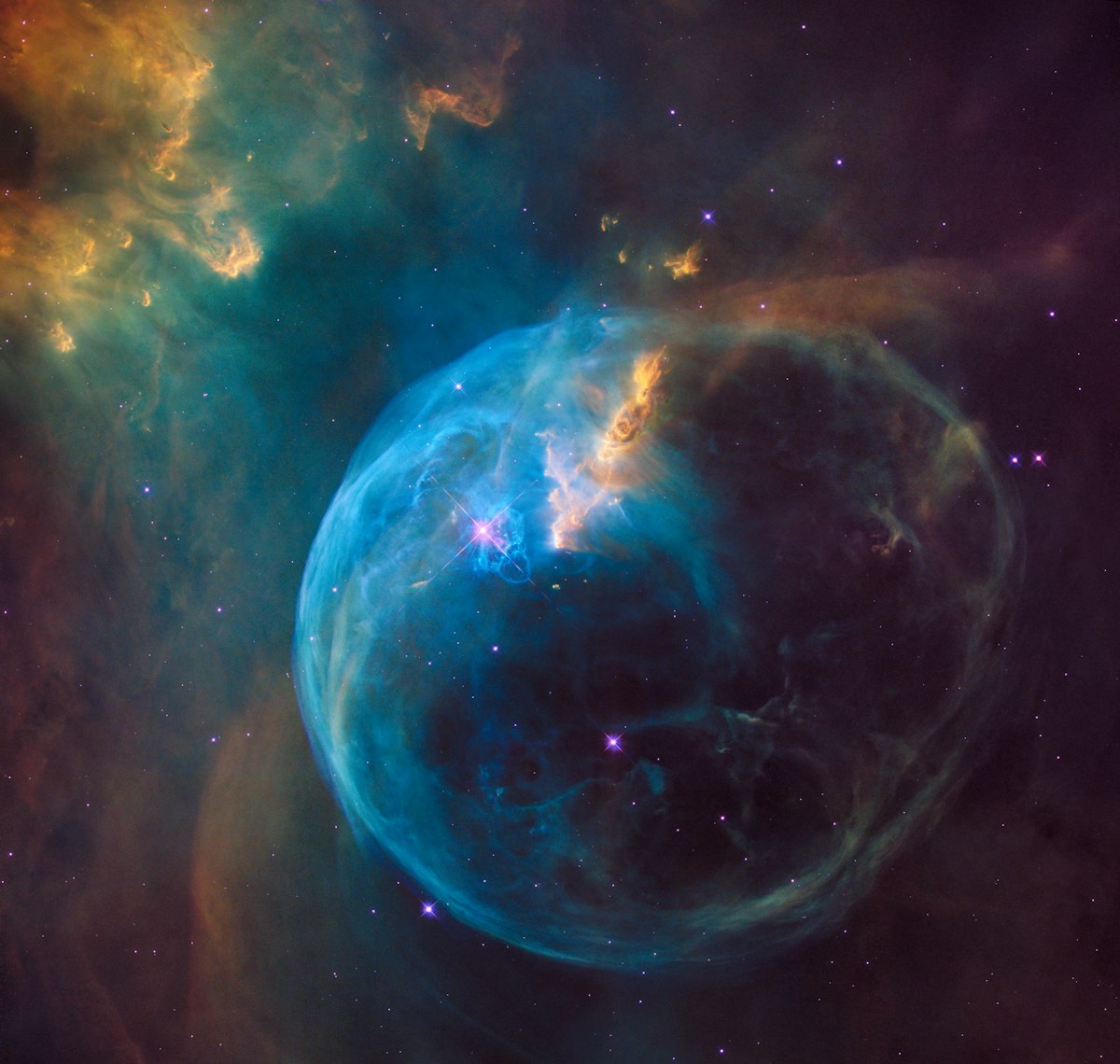
- Primary Signal: James Webb Exoplanet Atmospheres: What the Telescope Has Actually Found
- Overview: James Webb has turned exoplanet atmospheres from speculation into measured chemistry. Here is what its spectra have actually revealed, what remains uncertain, and why the early hea...
- Verification: Analyzed and compiled by FreeSky Cosmos editorial monitoring desk.
Since it began science operations, the James Webb Space Telescope has observed the thin skies of distant worlds by watching starlight filter through them during transits. When a planet crosses its star, a tiny fraction of that light passes through the atmosphere, and molecules in the gas leave fingerprints in the spectrum. Webb's infrared instruments are sensitive enough to read those fingerprints for planets that earlier telescopes could only guess about, and the results have already rewritten parts of the exoplanet story.
The most important thing to understand is what a detection actually means. Webb does not photograph an atmosphere or sample its air. It measures which wavelengths are absorbed more strongly, and scientists match those patterns against laboratory data for gases like water vapour, carbon dioxide, methane, and sulphur dioxide. A strong match is evidence, not proof of habitability, and every claim sits on top of careful modelling of the star, the planet, and the instrument itself.
Webb's earliest exoplanet results delivered the clearest atmospheric spectra ever recorded for planets beyond our solar system. For hot gas giants such as WASP-39 b, the telescope identified water vapour, carbon dioxide, sodium, potassium, and even sulphur dioxide, a molecule produced when starlight drives chemical reactions in the upper atmosphere. That photochemistry detection mattered because it showed Webb can trace active processes, not just list ingredients.
No Webb exoplanet result has attracted more attention than the observations of K2-18 b, a sub-Neptune orbiting in its star's habitable zone. Early analysis reported methane and carbon dioxide, plus a tentative hint of dimethyl sulphide, a gas that on Earth is produced by marine life. Later reanalyses showed the dimethyl sulphide signal was far weaker than the headlines suggested, and other teams argued the data could also fit a magma-ocean world or a gas-rich planet with no surface ocean at all.
Webb's exoplanet program continues with repeated observations of the most promising small planets, stacking transits to beat down the noise from stellar activity. Targets include the TRAPPIST-1 system, where several Earth-sized worlds orbit an ultra-cool dwarf star, and a growing list of sub-Neptunes whose atmospheres may reveal whether they are water worlds, gas dwarfs, or something in between. Each additional transit sharpens the spectrum a little more.
📖 Continue Reading the Full Story
Continue reading this article on FreeSky Cosmos.
⚡ Access Full Content NowMore from FreeSky Cosmos

 🛰️ FreeSky Aerial
After-Hours Answering for Charter Operators: Which Option Actually Works?
Your best charter inquiries arrive after hours. An honest comparison of extended dispatch hours, traditional a...
 🗺️ FreeSky GeoData
After-Hours Answering for GIS Firms: Which Option Actually Works?
Your best project inquiries arrive after hours. An honest comparison of extended office hours, traditional ans...
 ⚡ CyberTech 568
Best Free AI Voice Changer for Gaming in 2026
A good voice changer adds fun to game night without lag or robotic audio. Compare the best free options for Di...
 🤖 WinBar AI
How to Spot Sharp Money Movement in Betting Odds Before the Line Settles
Sharp money is professional cash moving odds before the public catches on. Here is how to read reverse line mo...