How to Photograph a Meteor Shower With Your Phone: A Beginner's Field Guide
- Primary Signal: How to Photograph a Meteor Shower With Your Phone: A Beginner's Field Guide
- Overview: Your phone can catch a meteor streak if you steady it, widen the view, and let it shoot continuously through the peak hours....
- Verification: Analyzed and compiled by FreeSky Cosmos editorial monitoring desk.
Meteor showers reward patience more than equipment, and a modern phone is good enough to catch a bright streak if you set it up properly. The key idea is volume: meteors appear at random, so you want dozens or hundreds of frames across the peak hours rather than one carefully composed shot. A tripod, a dark sky, and a long stretch of unattended shooting will beat a hand-held attempt every time, even if your phone is a few years old.
Start by checking the shower's peak night and the Moon's phase, because a bright Moon washes out faint meteors just as city lights do. The best hours are usually after midnight, when your part of Earth has turned into the stream of comet debris, so plan to shoot from late evening into the early hours rather than quitting at bedtime. Choose the darkest spot you can reach safely, away from streetlights and house lights, and give your eyes and your camera at least twenty minutes away from bright screens before you judge the sky.
Point your phone at a dark patch of sky roughly forty degrees up and away from the radiant, the point meteors seem to come from, because streaks look longer and more dramatic off to the side. Include a little foreground, a tree line or a hill, to give the frame depth, but keep most of the frame on open sky. If the Moon is up, do not fight it: put it at the edge of the frame and let it light the landscape, which often produces a more interesting photograph than a pitch-black sky.
Stability comes first, so mount the phone on a small tripod or prop it firmly against a bag or a rock; any shake during a long exposure turns stars into smears. Switch to the ultra-wide lens if you have one, since a wider view covers more sky and raises the odds that a meteor crosses your frame. Turn the flash off, turn off any automatic HDR that might blend frames oddly, and use night mode or a manual mode with focus locked to infinity, because autofocus will hunt helplessly in the dark.
If your phone offers a long-exposure or interval app, use it to shoot continuously: exposures of ten to thirty seconds, one after another, for an hour or more. On some phones an astrophotography mode activates automatically once the device senses it is completely still, stacking many exposures into one clean image. Bring a power bank, because cold air and long exposures drain batteries fast, and keep the phone warm in a pocket between sessions if the night turns chilly.
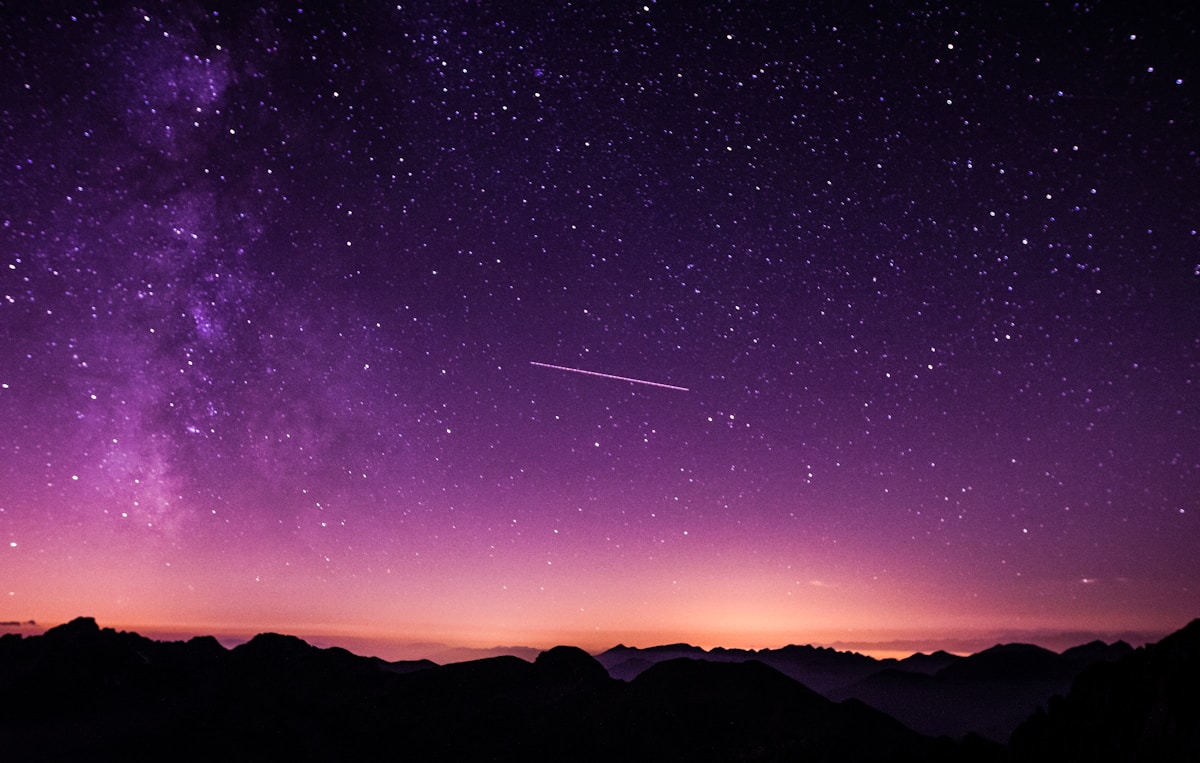
Afterwards, scroll through your frames quickly and flag any with a clear streak; most frames will show only stars, and that is normal. A genuine meteor appears as a straight line that fades or thickens along its path, unlike a satellite, which leaves a steady, even trail, or an aircraft, which shows a dotted or flashing line. Do not be discouraged if only one or two frames in a hundred contain a meteor: that ratio is typical even for experienced photographers, and the shower itself was the show.
Edit lightly: raise the shadows slightly, reduce noise if your app offers it, and crop to put the meteor on a diagonal rather than dead centre. Resist heavy filters that turn the sky an unnatural colour; the most convincing meteor photos look like the night you actually stood under. Share the best frame with the shower name, date, and location noted, so others can compare notes, and keep the rest as a record of your first successful night under a shower.
📖 Continue Reading the Full Story
Continue reading this article on FreeSky Cosmos.
⚡ Access Full Content NowMore from FreeSky Cosmos



 🛰️ FreeSky Aerial
How to Shoot a Drone Hyperlapse: A Beginner's Step-by-Step Guide
A hyperlapse turns a slow drone flight into a spectacular rushing video. Pick a subject with a clear path, use...
 ⚡ CyberTech 568
Step-by-Step Tutorial: Playback Speed Calculator — Video Time at Any Speed (Day 2 Guide)
How to accurately use the Playback Speed Calculator — Video Time at Any Speed on CyberTech 568. Discover essen...
 🤖 WinBar AI
Instagram Photo Downloader: Save Posts in Full Resolution
Download Instagram photos in original quality. Save posts, carousel images, and profile pictures free....
 🎁 Get Rich Free
Side hustles you can start from your phone today: A Practical Beginner's Guide
This guide explains side hustles you can start from your phone today in plain language, with practical steps, ...