How Long Does Light Take to Reach Earth From the Moon and the Sun?
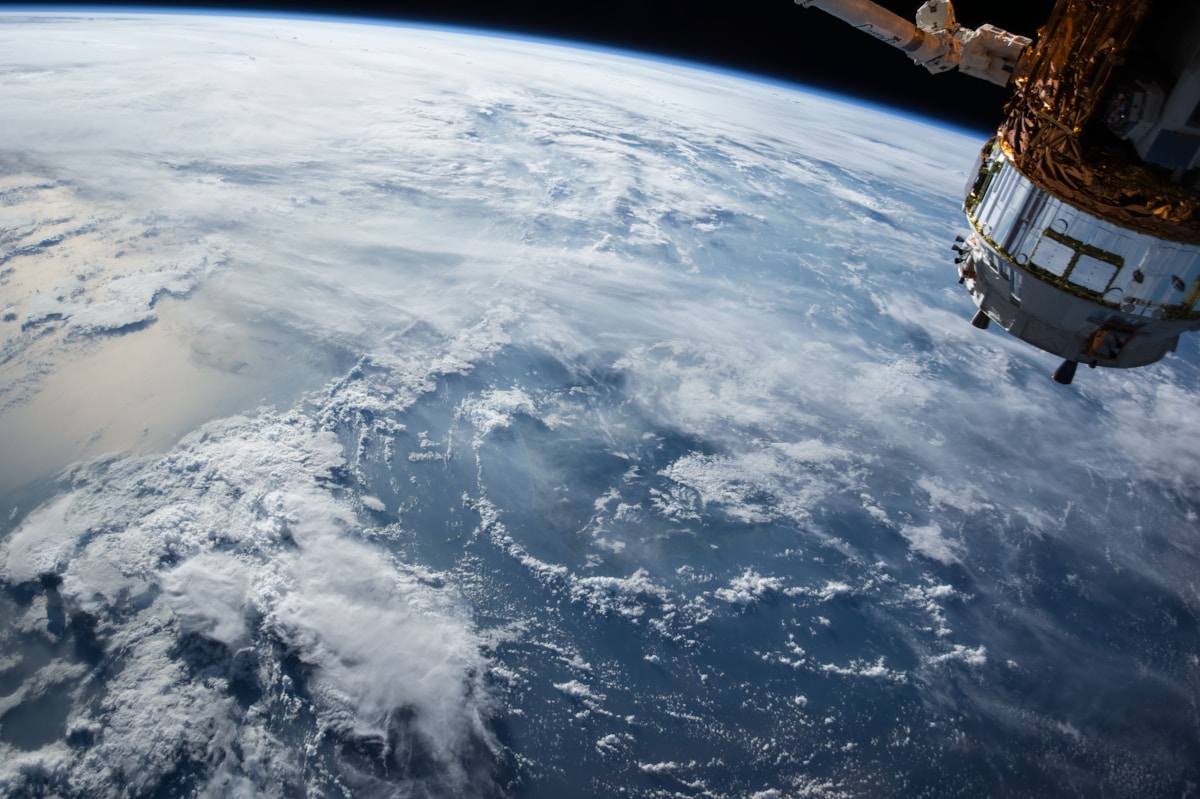
- Primary Signal: How Long Does Light Take to Reach Earth From the Moon and the Sun?
- Overview: Light takes about 1.28 seconds to travel from the Moon to Earth, and about 8 minutes 20 seconds from the Sun to Earth. When you look at the Moon you see it as it was 1.28 seconds a...
- Verification: Analyzed and compiled by FreeSky Cosmos editorial monitoring desk.
Light takes about 1.28 seconds to reach Earth from the Moon, and about 8 minutes 20 seconds to reach Earth from the Sun. Both figures come from one division: distance divided by the speed of light in a vacuum, 299,792.458 kilometres per second.
The top-ranking pages give the same two answers, but they leave three gaps. First, they rarely show the division itself. Second, they seldom explain that the Sun figure varies through the year. Third, they rarely connect the numbers to look-back time, the idea that looking farther away means looking further into the past. This guide closes all three.
Worked example — the Moon. The average Moon-Earth distance is 384,400 kilometres. Dividing gives 384,400 / 299,792.458 = 1.28 seconds, rounded to two decimal places. Moonlight is reflected sunlight, so the light you see bounced off the Moon about 1.28 seconds before it reached your eyes.
Worked example — the Sun. The average Sun-Earth distance is 149,597,870.7 kilometres. Dividing gives 149,597,870.7 / 299,792.458 = 499.0 seconds. Converting to minutes, 499.0 / 60 = 8.32 minutes, which is 8 minutes and about 20 seconds. That is the figure most guides quote, and now you can see exactly where it comes from.
The Sun figure is not fixed. Earth's orbit is elliptical, so the Sun-Earth distance ranges from about 147 million to 152 million kilometres. That range makes sunlight's journey vary from about 490 seconds, or 8 minutes 10 seconds, to about 507 seconds, or 8 minutes 27 seconds, with 8 minutes 20 seconds as the average.
Look-back time is the deeper point. Because light travels at a finite speed, every view of space is a view of the past. The Moon is about 1.28 light-seconds away and the Sun about 8.3 light-minutes away. The same logic extends outward: the nearest star beyond the Sun, Proxima Centauri, is about 4.2 light-years away, so its light takes about 4.2 years to reach us.
Worked example — Mars at its closest. At a closest distance of about 54.6 million kilometres, light takes 54,600,000 / 299,792.458 = 182.1 seconds, which is 182.1 / 60 = 3.04 minutes one way. A radio reply from Mars at that distance would therefore take about 6 minutes for the round trip, even with an instant answer — which is why Mars missions cannot be driven live from Earth.
Bottom line: divide distance by 299,792.458 kilometres per second and you get any light travel time. The Moon is 1.28 seconds away, the Sun is 8 minutes 20 seconds away, and everything farther away is further back in time.
Q: How long does moonlight take to reach Earth?
A: About 1.28 seconds, from 384,400 kilometres divided by the speed of light, 299,792.458 kilometres per second.
Q: How long does sunlight take to reach Earth?
A: About 8 minutes 20 seconds on average, or 499 seconds, varying from about 8 minutes 10 seconds to 8 minutes 27 seconds as Earth's distance from the Sun changes.
Q: Why do astronomers say looking far away means looking back in time?
A: Because light takes time to travel, so distant light left its source in the past — the Moon's light left 1.28 seconds ago, and Proxima Centauri's light left about 4.2 years ago.
Q: How long would a Mars radio reply take?
A: About 3 minutes each way at Mars' closest distance, so roughly 6 minutes for a round trip even with an instant reply.
📖 Continue Reading the Full Story
Continue reading this article on FreeSky Cosmos.
⚡ Access Full Content NowMore from FreeSky Cosmos


 🛰️ FreeSky Aerial
Is It Worth Paying for Exit Row Seats on Long Flights?
Exit row seats promise the most legroom in economy — but they come with duties and trade-offs. Here's the hone...
 🗺️ FreeSky GeoData
How Much Does a Missed Call Cost a GIS Consultancy?
One missed call is not a voicemail — it is a project worth thousands walking to a competitor. The step-by-step...
 ⚡ CyberTech 568
Step-by-Step Tutorial: Playback Speed Calculator — Video Time at Any Speed (Day 2 Guide)
How to accurately use the Playback Speed Calculator — Video Time at Any Speed on CyberTech 568. Discover essen...
🤖 WinBar AI
Instagram Photo Downloader: Save Posts in Full Resolution
Download Instagram photos in original quality. Save posts, carousel images, and profile pictures free....