Best Dark Sky Places for Stargazing Beginners: How to Choose Your First Trip
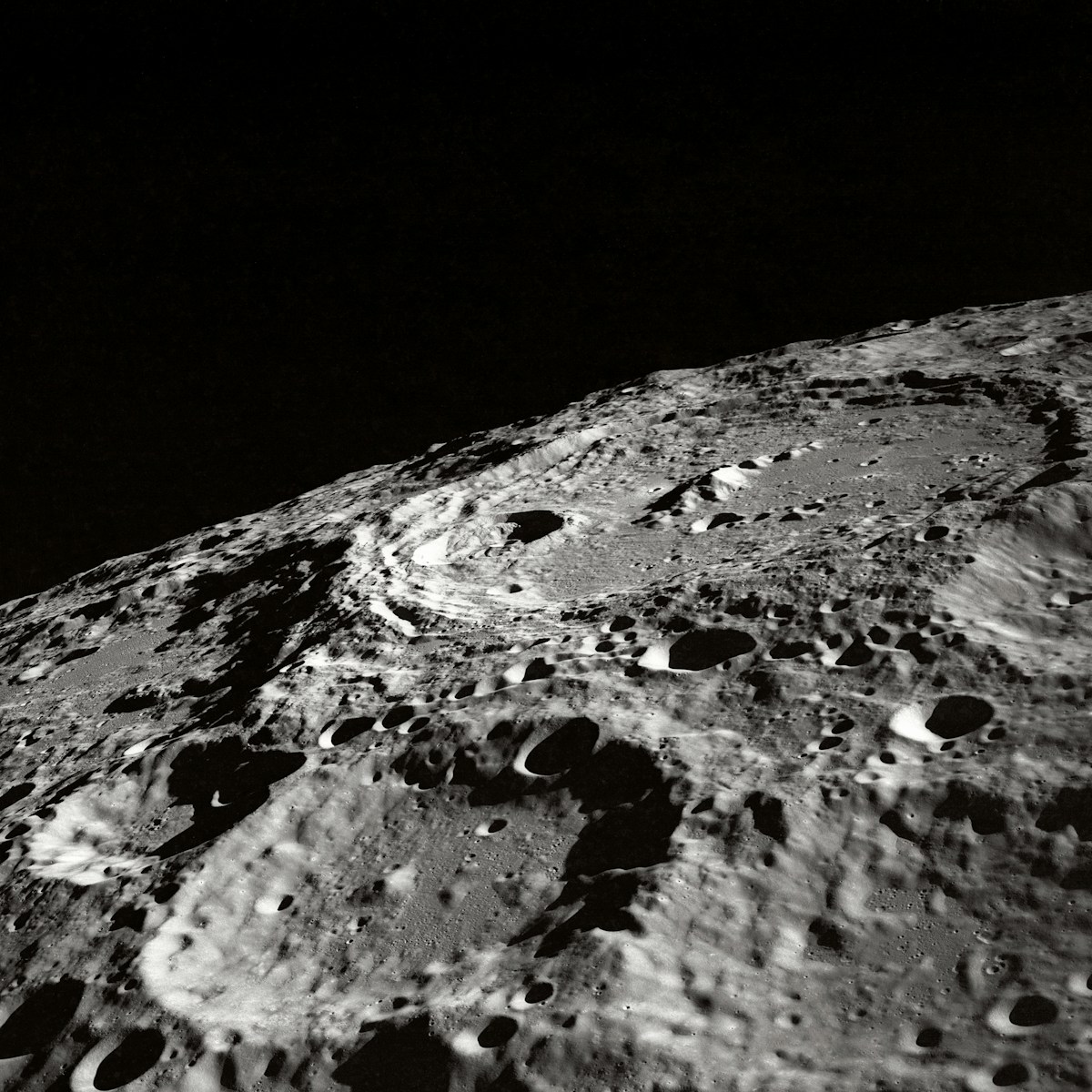
- Primary Signal: Best Dark Sky Places for Stargazing Beginners: How to Choose Your First Trip
- Overview: A great first dark-sky trip needs dark skies, safe access, and a simple plan — not the most remote desert you can find on a map....
- Verification: Analyzed and compiled by FreeSky Cosmos editorial monitoring desk.
Beginners often assume the best stargazing trip is the most remote one, but the best first trip is the one you actually enjoy and can repeat. A site an hour from home with genuinely dark skies, safe parking, and a flat place to stand will teach you more than a heroic expedition to a desert you reach exhausted at midnight. The goal is to see the Milky Way clearly, learn a few constellations, and leave wanting to go back, not to tick off a famous location at any cost.
Light pollution maps, available free online, rate skies on a scale from bright city white to pristine black, and a site rated even two steps darker than your home town will transform what you see. Look for designated dark-sky parks and reserves, which are certified for low light pollution and usually offer visitor information, parking, and sometimes ranger programmes. National parks, remote coastlines, and high plateaus are classic choices, but even farmland well away from towns can be excellent if the map shows it as dark.
Check the Moon before you commit: a full Moon brightens the sky enough to hide faint stars and the Milky Way, so plan around the new Moon or the days just before and after it. Check the weather forecast for cloud cover and humidity, not just rain, because thin high cloud can ruin a night that looks clear at sunset. Arrive before dark so you can find your footing, set up, and let your eyes adapt while the first stars appear.
Pack warm layers even in summer, because standing still under an open sky cools you fast, and bring a red torch or a phone with a red-light mode to preserve your night vision. A reclining chair or a simple ground mat makes a surprising difference: lying back lets you take in the whole sky without a stiff neck, and comfort keeps you outside longer. Binoculars are the ideal first instrument, cheaper and easier than a telescope, and they reveal star clusters, the Moon's craters, and the brighter galaxies as faint smudges.
Bring a simple star chart or an offline sky app, but use it sparingly, since a bright screen resets your dark adaptation every time you glance at it. Leave the big telescope at home for the first trip; learning the sky with your eyes and binoculars builds the mental map that makes a telescope useful later. Bring water, snacks, and a friend if you can, both for safety on a dark site and because sharing a first sight of the Milky Way is half the pleasure.
Start with the brightest landmarks: the Moon if it is up, the brightest planets, and one or two easy constellations, then branch out from there. Try to spot the Milky Way's band stretching across the sky, and use binoculars to sweep along it, where star clusters and nebulae crowd together. Give each target a few unhurried minutes rather than racing through a list, and note what you saw, the date, and the conditions in a small notebook or phone note for next time.
End the night by picking one thing to learn before the next trip, perhaps a new constellation, a planet's path, or how to find a favourite galaxy. That single thread turns isolated outings into a growing hobby, and it matters more than any single site's reputation. The darkest sky in the world is useless if you never return to it, while a decent local site visited often will teach you the sky season by season, year after year.
📖 Continue Reading the Full Story
Continue reading this article on FreeSky Cosmos.
⚡ Access Full Content NowMore from FreeSky Cosmos
 ☁️ FreeSky Cloud
Best Free Tier Cloud Hosting 2026: Host Projects Without Paying
Compare the best free tier cloud hosting options for 2026, including what is genuinely free, what limits apply...
 ⚡ CyberTech 568
Step-by-Step Tutorial: Playback Speed Calculator — Video Time at Any Speed (Day 2 Guide)
How to accurately use the Playback Speed Calculator — Video Time at Any Speed on CyberTech 568. Discover essen...
 🤖 WinBar AI
Instagram Photo Downloader: Save Posts in Full Resolution
Download Instagram photos in original quality. Save posts, carousel images, and profile pictures free....
 📦 Free2Rich Vault
The Pay Yourself First Budgeting Method: A Step-by-Step Guide for Beginners
The pay yourself first method flips the usual budgeting order: savings leave your account on payday, and you b...