Best Beginner Telescope Under $300 in 2026: What to Buy and What to Skip

- Primary Signal: Best Beginner Telescope Under $300 in 2026: What to Buy and What to Skip
- Overview: A good first telescope under $300 shows planets, star clusters and nebulae without frustration. This guide compares the best value picks and the traps to avoid....
- Verification: Analyzed and compiled by FreeSky Cosmos editorial monitoring desk.
Buying a first telescope is easy to get wrong, because the market is full of impressive-looking instruments that disappoint on the first night. The two things that decide whether a beginner telescope delights or gathers dust are aperture, the diameter of its light-gathering mirror or lens, and the steadiness of its mount. Get those two right and even a modest budget buys views that keep a new astronomer busy for years.
Aperture matters because telescopes are light buckets first and magnifiers second. A 130mm reflector gathers roughly 340 times more light than the unaided eye and shows Jupiter's cloud bands, Saturn's rings, the Orion Nebula and dozens of star clusters from a suburban backyard. A 70mm refractor shows the Moon well and gives a decent look at Jupiter, but it runs out of light quickly on fainter deep-sky objects. If your budget stretches to 130mm, take it.
The mount matters just as much. A Dobsonian base, a simple wooden platform that moves up-down and left-right, is the steadiest option under $300 and needs no alignment, batteries or setup ritual. You carry the telescope outside, set it on a sturdy table or the ground, point and look. By contrast, cheap equatorial mounts with thin tripods wobble at high magnification and frustrate beginners, which is why experienced observers consistently recommend Dobsonians for first scopes.
Among current picks, the Zhumell Z130 and Sky-Watcher Heritage 130P are the most recommended tabletop Dobsonians, both with 130mm parabolic mirrors at around $200 to $250. A parabolic mirror focuses light to a sharp point, unlike cheaper spherical mirrors that soften images. For buyers under $150, the Celestron StarSense Explorer LT 80AZ pairs an 80mm refractor with a phone app that guides you to targets, which removes the hardest beginner skill, finding things, from the first nights.
Budget for one good eyepiece beyond the ones in the box. The supplied eyepieces on budget scopes are usable but basic, and a single quality eyepiece in the 15mm to 25mm range can transform the view. Also plan for a sturdy surface: tabletop Dobsonians need a solid table at waist height, so check you have one before buying, or consider a full-size Dobsonian like the 6-inch Orion SkyQuest XT6 if your budget stretches slightly past $300.
What should you skip? Avoid telescopes advertised mainly by magnification, such as claims of 675x power, because high magnification on a small, shaky scope produces a dim, wobbly blur. Avoid toy scopes with tiny 50mm lenses and plastic mounts, and be wary of any scope whose main selling point is its camera or screen rather than its optics. A telescope's job is to gather light steadily, and anything that compromises that job is a bad deal at any price.
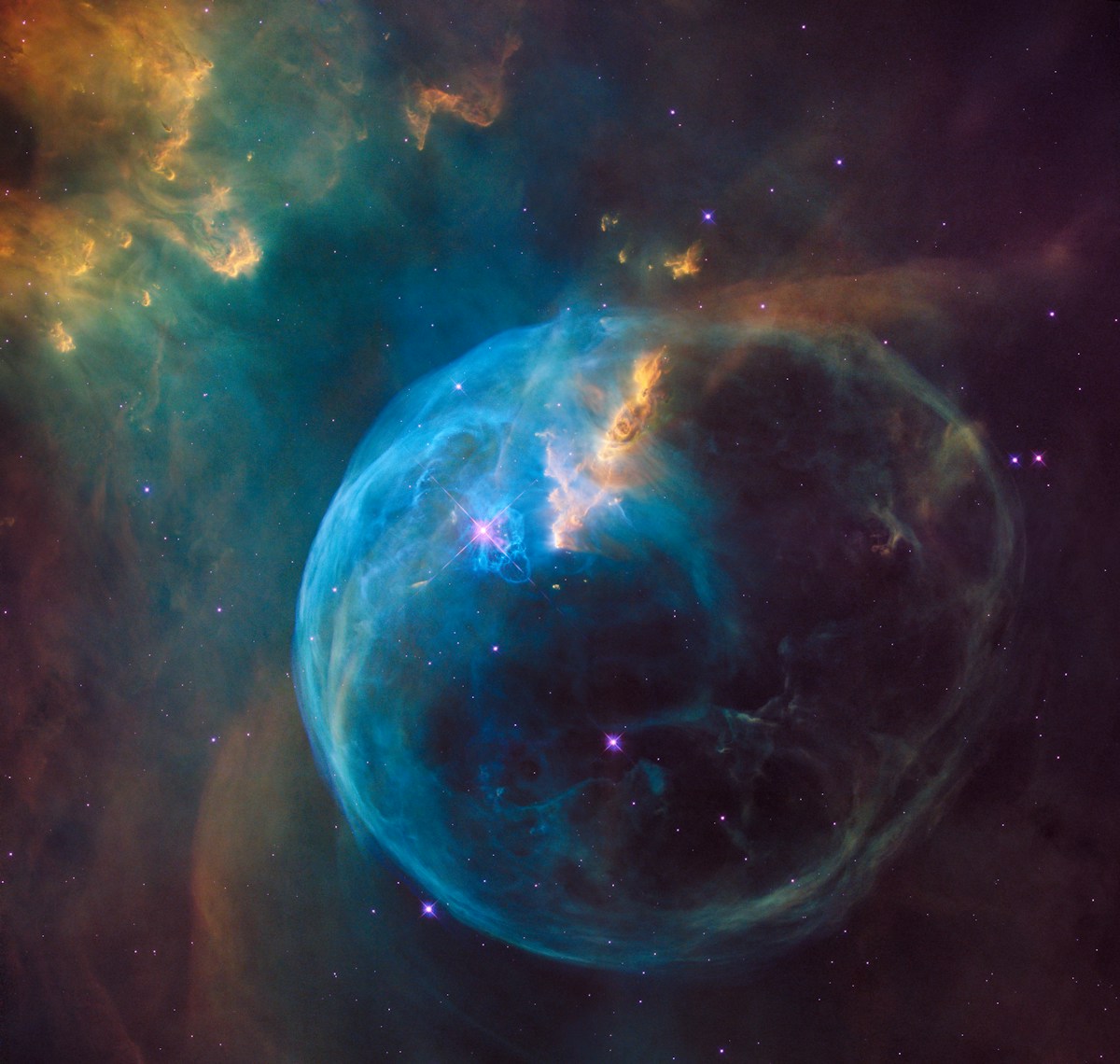
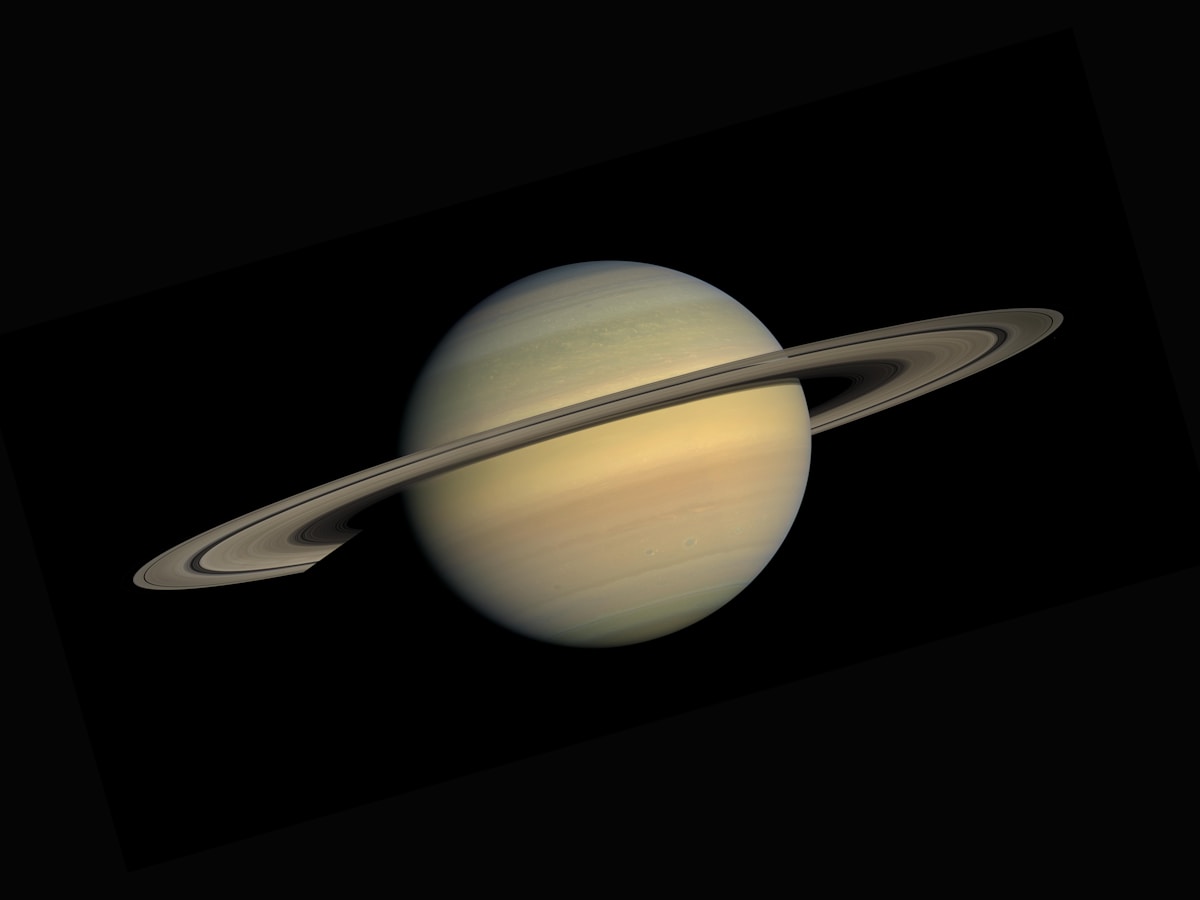
Starting out is simpler than the manuals suggest. Begin with the Moon, which is bright, easy to find and endlessly detailed. Then try Jupiter and Saturn, then the Orion Nebula and the Pleiades. Learn a few constellations with a free star-chart app, give your eyes 20 minutes to adapt to the dark, and observe from the darkest spot you can reach. A first telescope under $300 will not show Hubble images, but it will show you real photons from real worlds, and that is a hard experience to beat.
One final piece of advice: consider binoculars as a companion, not a competitor. A decent pair of 10x50 binoculars shows star clusters, the moons of Jupiter and the Andromeda Galaxy, costs far less than a telescope, and teaches you the sky. Many lifelong observers never stop using them, and they make a perfect second instrument once the telescope habit has taken hold.
📖 Continue Reading the Full Story
Continue reading this article on FreeSky Cosmos.
⚡ Access Full Content NowMore from FreeSky Cosmos

 ☁️ FreeSky Cloud
Best Free Tier Cloud Hosting 2026: Host Projects Without Paying
Compare the best free tier cloud hosting options for 2026, including what is genuinely free, what limits apply...
 🗺️ FreeSky GeoData
Best QGIS Plugins in 2026: 10 Tools That Save Hours on Every Project
A curated, tested shortlist of the best QGIS plugins for basemaps, OpenStreetMap queries, classification, prof...
 🎮 GameVault 668
Best PC Games Under $20 You Can Buy in the 2026 Steam Sales
The best Steam sale buys are not the newest games, they are the acclaimed classics and indie gems under $20. H...
 🎉 FreeFortune Rewards
Best Cashback for Online Shopping Beginners: Start Here in 2026
New to cashback? Start with one portal, one card, and one receipt app. This beginner guide skips the complexit...