Your First Telescope: A Beginner's Buying Guide Without the Jargon
- Primary Signal: Your First Telescope: A Beginner's Buying Guide Without the Jargon
- Overview: Buying a first telescope is confusing because the specs that matter most are rarely the ones on the box. This guide explains aperture, mounts, and realistic expectations in plain l...
- Verification: Analyzed and compiled by FreeSky Cosmos editorial monitoring desk.
A first telescope should do one job well: show you the Moon in detail, the planets as small discs with real features, and the brighter deep-sky objects as more than faint smudges. Many beginners are disappointed not because telescopes are weak, but because advertising promises Hubble-like colour images that no eyepiece view can deliver. Knowing what a telescope genuinely shows, and which specifications actually matter, turns a confusing purchase into a confident one.
The single most important specification is aperture, the diameter of the main mirror or lens. Aperture decides how much light the telescope gathers, and light-gathering decides how much detail you can see. Magnification, the number printed largest on cheap telescope boxes, is almost irrelevant on its own, because any telescope can be pushed to useless, blurry magnifications with the wrong eyepiece. A useful rule is that maximum sensible magnification is roughly twice the aperture in millimetres.
Refractors use lenses and give crisp, low-maintenance views, but good ones cost more per centimetre of aperture, and cheap refractors often suffer from false colour around bright objects. Reflectors use mirrors and give the most aperture for the money, but need occasional alignment, called collimation, which sounds harder than it is. A Dobsonian is a reflector on a simple swivel base, and it is the classic beginner recommendation because it puts the maximum aperture on the simplest, steadiest mount for the price.
The mount matters as much as the optics. A wobbly tripod ruins every view, because even a light touch sends the image shaking, and at high magnification the target drifts quickly. Dobsonian bases are steady by design, while equatorial mounts, which track the sky's rotation, are powerful but have a learning curve that frustrates many beginners. If you choose a tripod telescope, test its stability in the shop or check reviews specifically about vibration.
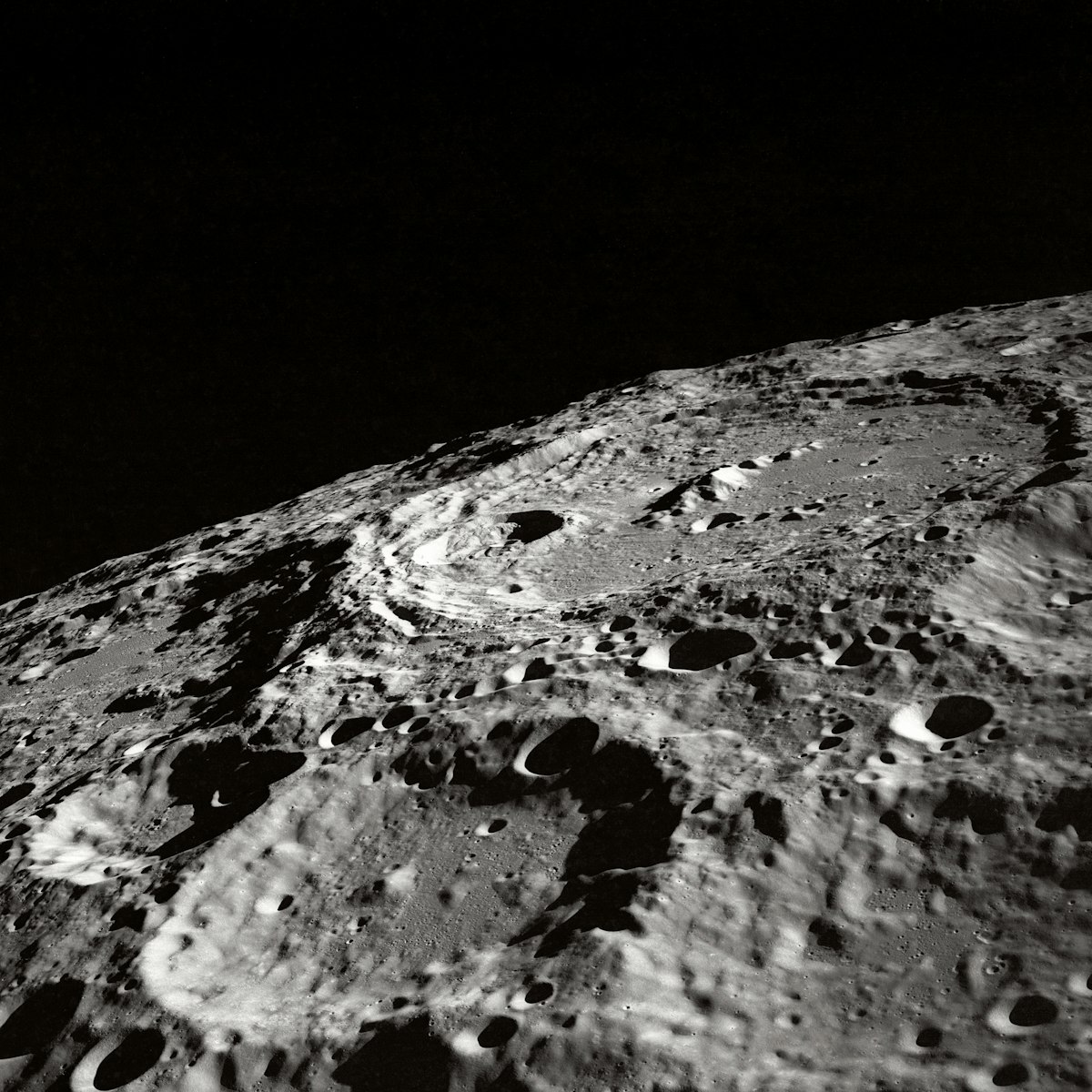
Through the eyepiece, planets are small but sharp, the Moon is spectacular, and galaxies appear as soft grey smudges with brighter cores rather than the colourful spirals of long-exposure photographs. That is normal, and experienced observers love those views precisely because the light hitting your eye left its source millions of years ago. Start with the Moon, then Jupiter and Saturn when they are up, then the Orion Nebula and the Pleiades, and learn to star-hop slowly.
📖 Continue Reading the Full Story
Continue reading this article on FreeSky Cosmos.
⚡ Access Full Content NowMore from FreeSky Cosmos

 ⚡ CyberTech 568
How to Write Better Prompts for AI Image Generation: A Beginner's Guide
Good AI images start with specific prompts. Learn to describe subject, style, lighting and composition so the ...
 💎 LuxeLiving 768
Supercar Track Day Beginner Guide: Your First Day on Circuit, Step by Step
A track day is the best way to learn what your supercar can really do. This beginner guide covers preparation,...
 📦 Free2Rich Vault
The Pay Yourself First Budgeting Method: A Step-by-Step Guide for Beginners
The pay yourself first method flips the usual budgeting order: savings leave your account on payday, and you b...
 ☁️ FreeSky Cloud
Best Free Tier Cloud Hosting 2026: Host Projects Without Paying
Compare the best free tier cloud hosting options for 2026, including what is genuinely free, what limits apply...