Starship vs SLS: Which Heavy Rocket Design Makes More Sense?
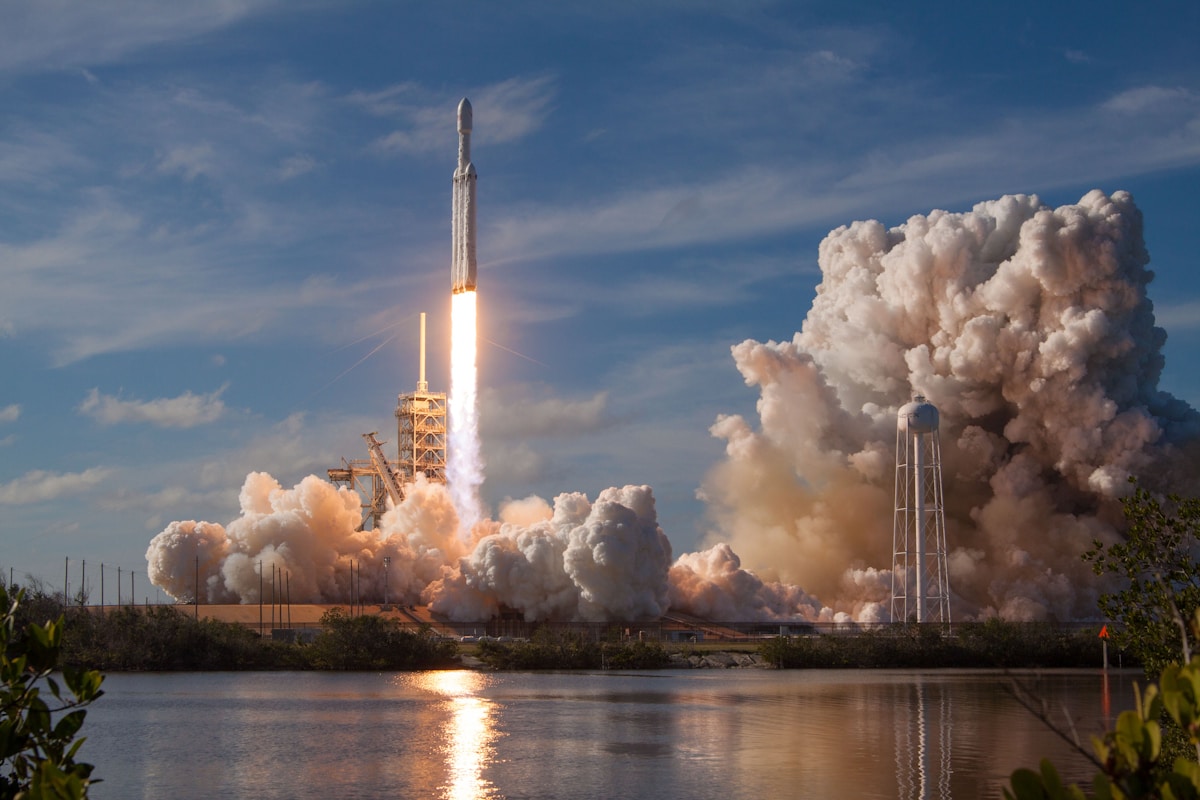
- Primary Signal: Starship vs SLS: Which Heavy Rocket Design Makes More Sense?
- Overview: Starship and NASA's Space Launch System take opposite approaches to heavy lift: one is fully reusable and built for volume, the other is a traditional expendable rocket built for a...
- Verification: Analyzed and compiled by FreeSky Cosmos editorial monitoring desk.
Heavy-lift rockets are the trucks of spaceflight, and right now two very different designs dominate the conversation: SpaceX's Starship and NASA's Space Launch System, or SLS. They aim at similar destinations but embody opposite philosophies.
Starship is designed to be fully reusable. Both its booster and its upper stage are meant to return, land, and fly again, which is intended to cut the cost per flight dramatically and allow a high flight rate. Its stainless-steel construction and methane-fuelled engines are chosen with mass production and Mars in mind.
SLS takes the traditional approach. It is an expendable rocket derived from space shuttle hardware, built to throw a large payload toward the Moon in a single shot. Each launch consumes the whole vehicle, which makes every flight expensive but keeps the design comparatively straightforward.
The trade-off is cost and cadence versus certainty. A reusable system only pays off if it actually flies often and reliably; an expendable system is simpler to certify for a specific mission but cannot scale cheaply.
For lunar missions, SLS is already flying crew-capable hardware, while Starship is still proving its flight and refuelling steps. For a future where many large payloads must go to orbit, reusability is the more scalable bet — if it works.
The honest answer is that both designs make sense for the jobs they were built for. The interesting question is which philosophy wins over the next decade, as flight rates, not blueprints, settle the argument.
The single most important Starship test still ahead is in-orbit propellant transfer: moving fuel from one Starship to another in orbit. A lunar Starship cannot reach the Moon and return on a single tank of fuel, so it must be refuelled in orbit by tanker flights before departing. That technique has never been demonstrated at this scale, and it is the step on which the whole lunar architecture depends. If refuelling works reliably, Starship's high flight rate becomes a genuine advantage, because tankers can launch repeatedly. If it proves difficult, the lunar timeline slips regardless of how well the rocket itself flies. Watch for refuelling demonstrations as the real signal of whether the reusable vision is on track.
📖 Continue Reading the Full Story
Continue reading this article on FreeSky Cosmos.
⚡ Access Full Content NowMore from FreeSky Cosmos


 ⚡ CyberTech 568
10 Free AI Tools That Save Freelancers 10 Hours a Week
Ten genuinely free AI tools for writing, design, and admin — build them into your workflow and reclaim roughly...
 🤖 WinBar AI
How to Spot Sharp Money Movement in Betting Odds Before the Line Settles
Sharp money is professional cash moving odds before the public catches on. Here is how to read reverse line mo...
 ☁️ FreeSky Cloud
VPS Backup Automation Guide: Set It Once and Stop Worrying
A practical, step-by-step guide to vps-backup-automation-guide, with the common mistakes to avoid and a reusab...
 🛰️ FreeSky Aerial
How to Carry Medications on International Flights: 2026 Rules
Flying with medication in 2026? This guide covers carry-on rules, the 100 ml exemption for liquid medicines, l...