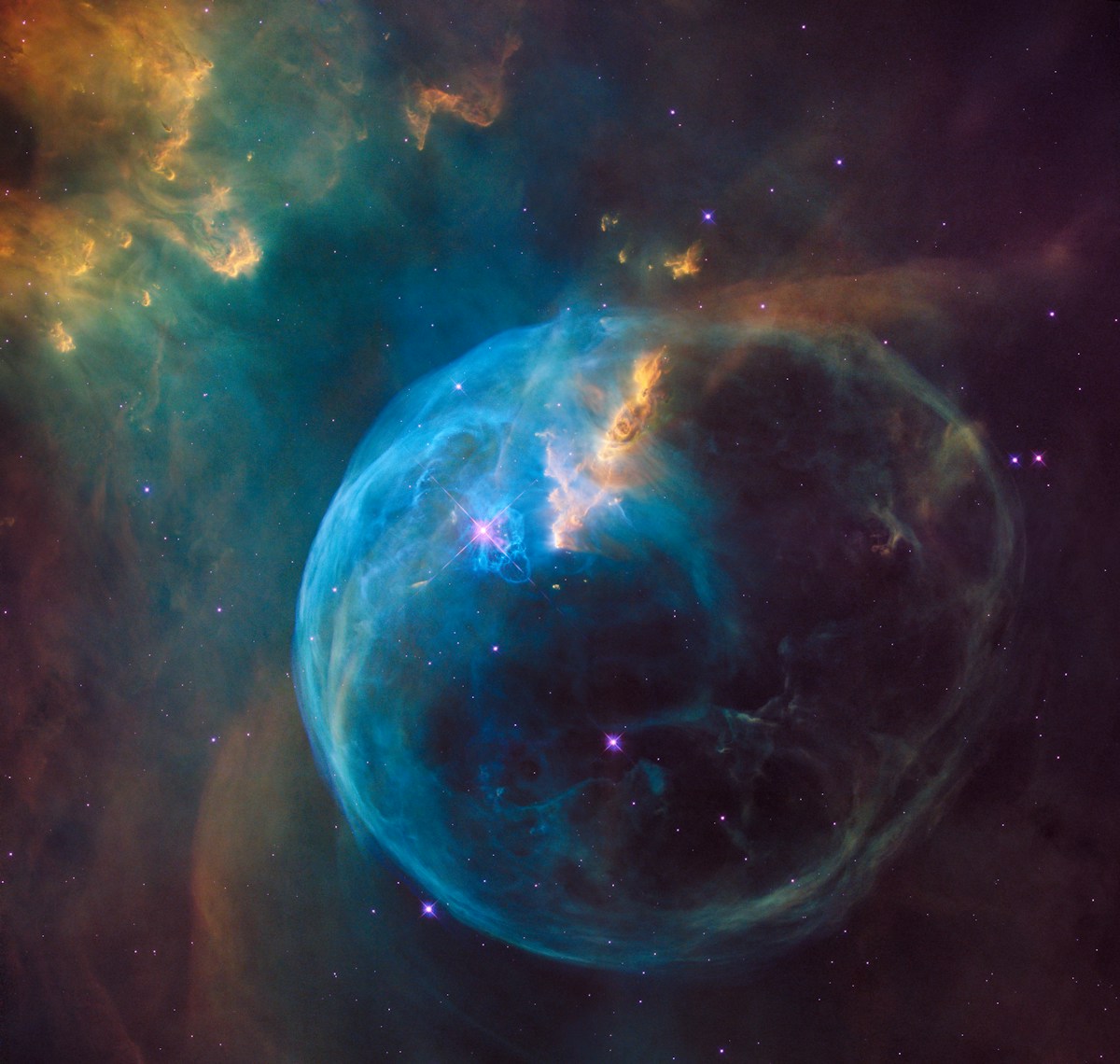
The NASA/ESA James Webb Space Telescope has captured a stunning view of the Horse-head Nebula. It is the sharpest infrared imagery to date. The iconic nebula is about 1300 light-years away. Credit: ESA/Webb, NASA, CSA, K. Misselt (University of Arizona) and A. Abergel (IAS/University Paris-Saclay, C
Archive: October 2026
189 stories published in October 2026
Watch this incredible time-lapse video of SpaceX stacking the Starship spacecraft onto its massive Super Heavy booster in preparation for the upcoming Flight 14.
The James Webb Space Telescope has captured a view of Lynds 483 (L483), an "actively forming star system," according to NASA. Credit: NASA, ESA, CSA, STScI, N. Bartmann (ESA/Webb) | edited by Space.com
A remarkable discovery has been made using the combined power of the James Webb Space Telescope and the Chandra X-ray Observatory. Scientists have identified a black hole, LID-568, in the early universe that challenges our understanding of cosmic growth. Images and Videos: NOIRLab/NSF/AURA/J. da Sil
🎬 Shorts & Reels
James Webb Space Telescope Delivers Amazing Horsehead Nebula Imagery
SpaceX’s Starship Megarocket Is Officially Stacked Ahead Of Flight 14
Amazing James Webb Space Telescope View Of Forming Star System In 4K
Early Universe Black Hole Devoured Matter At Astonishing Rate
Possible 'Hints' Of Life Found On Planet 124 Light-Years Away In James Webb Space Telescope Data
Amazing Cartwheel Galaxy Via James Webb Space Telescope
Data from the James Webb Space Telescope on exoplanet K2-18b has revealed the "strongest hints yet of biological activity outside the solar system," according to a University of Cambridge study. Credit: University of Cambridge
Travel 500 million light-years into the James Webb Space Telescope's amazing view of the Cartwheel Galaxy. Credit: ESA/Webb, NASA, CSA, STScI, Dark Energy Survey/DOE/FNAL/DECam/CTIO/NOIRLab/NSF/AURA, E. Slawik, N. Risinger, N. Bartmann | mash mix by Space.com's Steve Spaleta Music: Stratosphere Voya
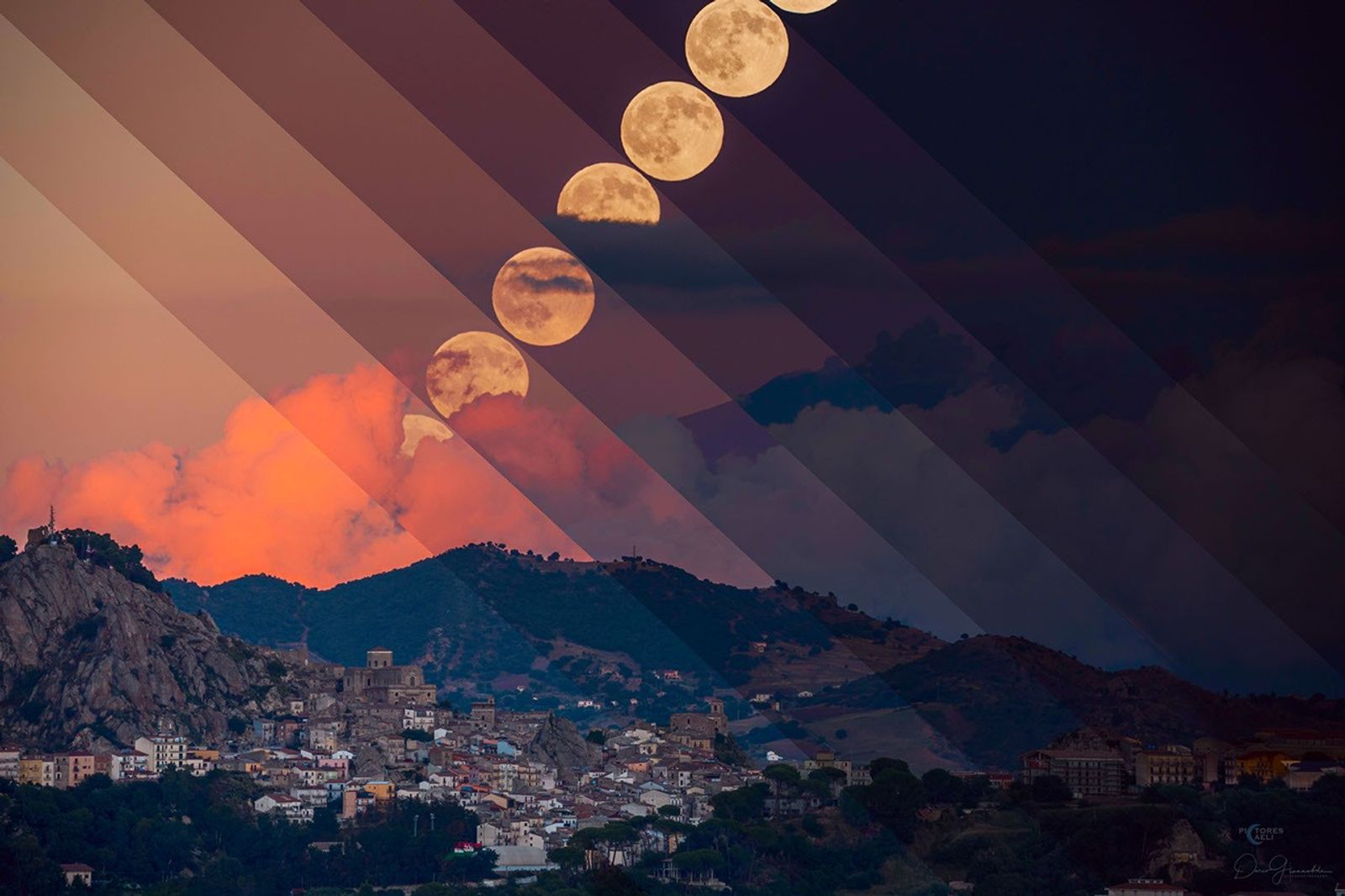
A Meteor Shower and the Moon Near the Pleiades See Saturn at opposition, catch the Orionid meteor shower, and watch the Moon pass close to the Pleiades, also known as the Seven Sisters. Skywatching Highlights Transcript Saturn takes center stage, a meteor shower lights up the sky, and the Moon visit
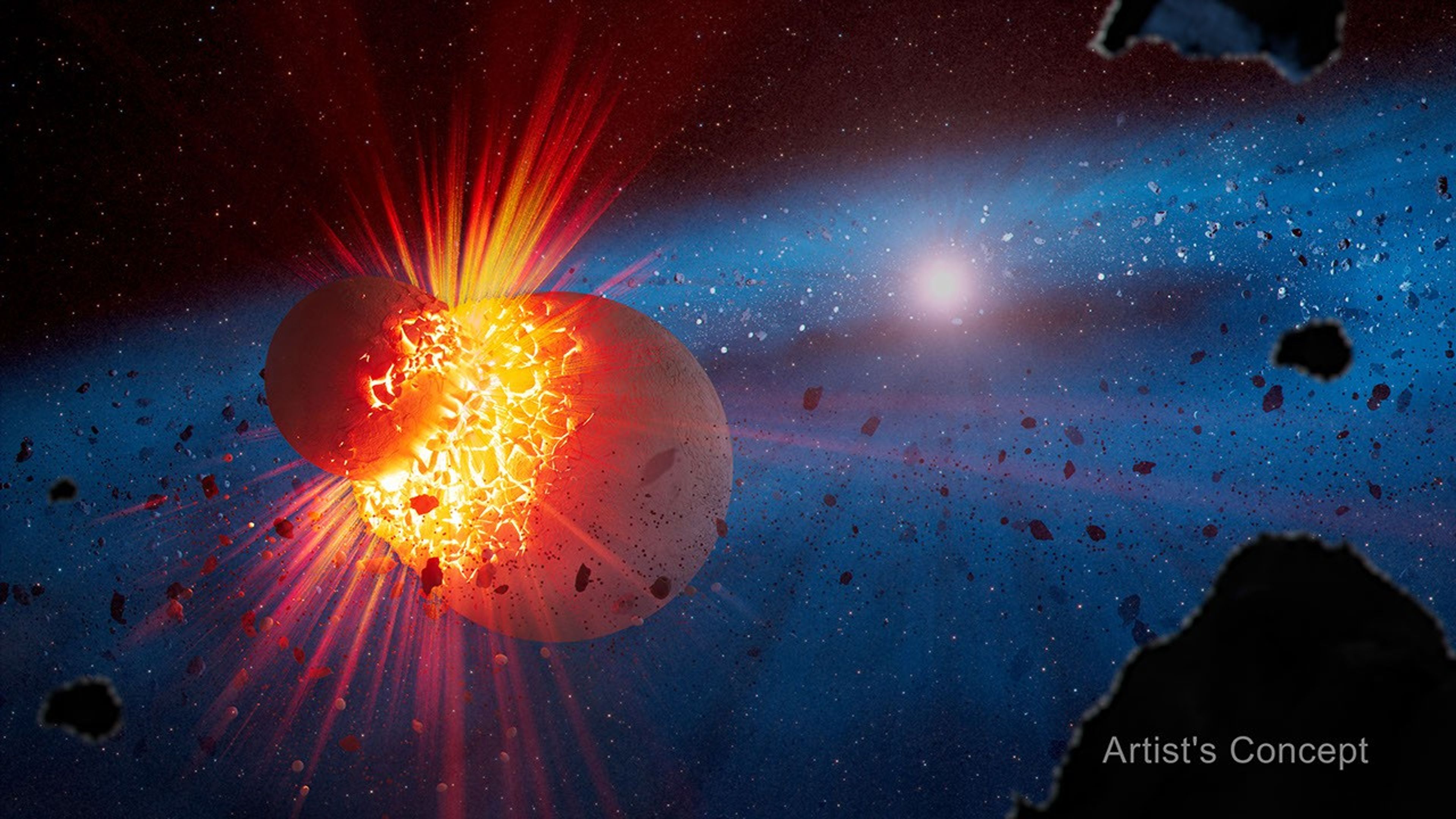
In the early history of our solar system, scientists theorize that a Mars-sized object called Theia smashed into the infant Earth, vaporizing massive amounts of rock and blasting it into space. Some of that material coalesced into the Moon, where NASA’s Artemis program is returning humans, preparing
APOD Science APOD APOD: 2026 October 1 –… Today’s APOD Archive Submissions Index Search Calendar RSS Education About Discuss APOD Astronomy Picture of the Day Discover the cosmos! Each day a different image or photograph of our fascinating universe is featured, along with a brief explanation written
How do astronauts grow food in space with hydroponics? NASA's Veggie, Advanced Plant Habitat, and XROOTS systems replace soil and gravity with engineered water channels, LED lighting, and mist-fed roots - growing lettuce, peppers, and wheat on the ISS and paving the way for Moon and Mars missions.
The International Space Station recovers about 98 percent of its water, turning urine, sweat, and cabin humidity back into drinking water. This explainer walks through the three systems that make the loop work and why it matters for the Moon and Mars.
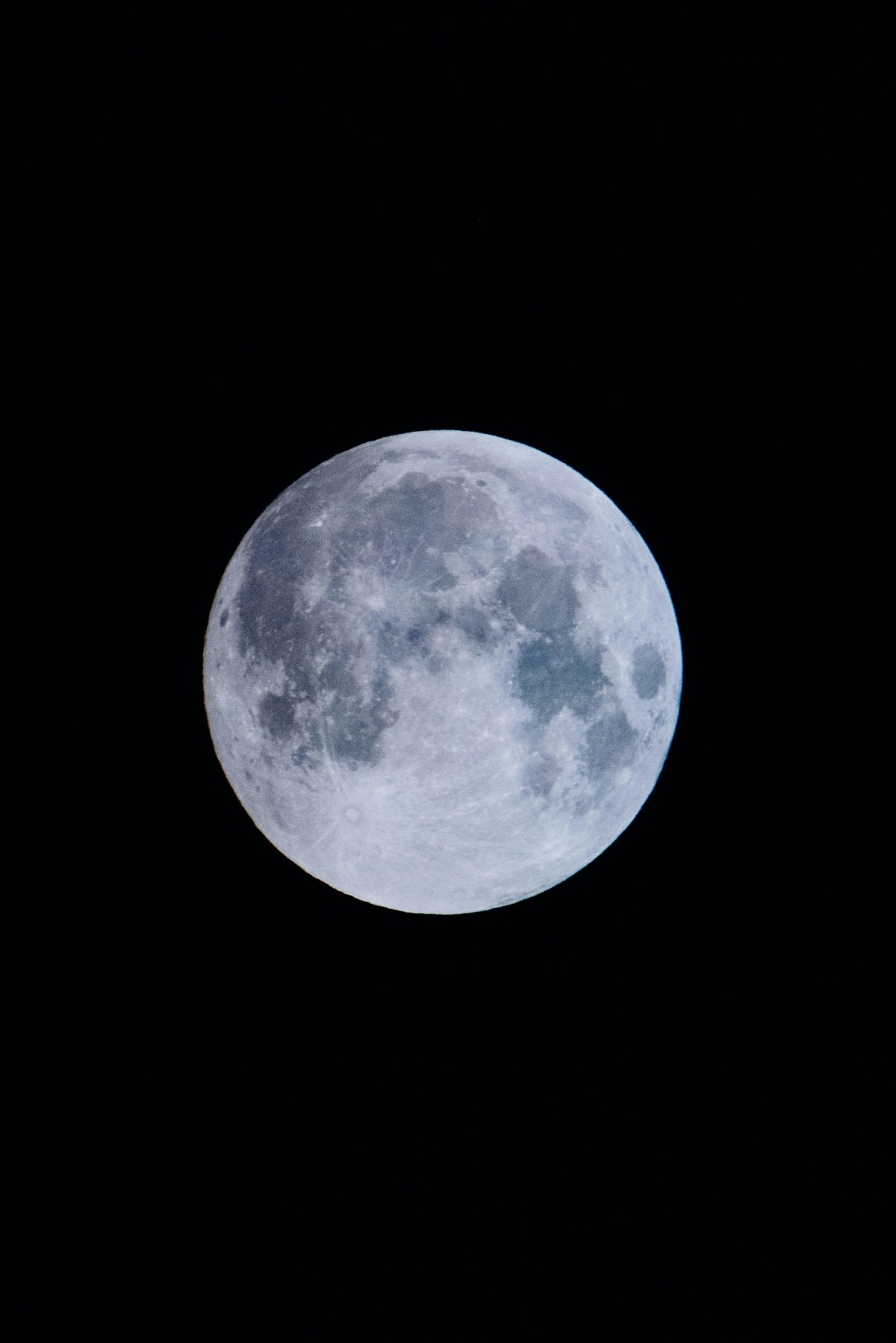
You do not need a telescope to capture craters and texture on the Moon. With a phone, a steady pair of binoculars, and the right exposure settings, you can take a sharp lunar photo in one evening.
The International Space Station is bright, fast, and easy to spot once you know when to look. Here is how tracker apps work, how to read a pass prediction, and how to catch your first sighting tonight.
Webb does not see visible light the way your eyes do. Its colours are assigned to infrared wavelengths, and they carry real information about distance and dust.
There is no up or down on the space station, so astronauts sleep in tethered bags in phone-booth-sized cabins, on a strict schedule despite 16 sunrises a day.
Mars dust storms can blot out the Sun for weeks. Rovers survive by saving power, parking safely, and waiting for the sky to clear.
Starship returns through the atmosphere at enormous speed, protected by thousands of hexagonal heat shield tiles. Here is how they handle the heat.
A lunar eclipse darkens the Moon, a solar eclipse darkens the Sun, and the geometry behind them is almost the mirror image. Here is how each one works.
The space station travels at about 28,000 kilometres per hour, circling Earth every 90 minutes. That speed is what keeps it in orbit instead of falling down.
When a satellite stops working, it does not just vanish. Operators either drag it down to burn up, park it in a graveyard orbit, or leave it drifting as debris.
Beneath Europa's cracked ice shell may lie a salty ocean with twice Earth's water. The Europa Clipper mission will investigate whether it could support life.
A trip to Mars takes roughly six to nine months, but the exact time depends on launch windows, trajectory, and how much fuel you are willing to spend.
The James Webb Space Telescope sees the universe in infrared light, revealing distant galaxies, hidden star nurseries, and exoplanet atmospheres — but it has real limits too. Here is a clear, beginner-friendly guide to what Webb can and cannot show us.
Mars rewards patience and the right setup. Learn which telescope size shows the polar caps and dark markings, when to observe, and which color filters sharpen the view.