What Is a Nebula? A Beginner's Guide to the Clouds Where Stars Are Born
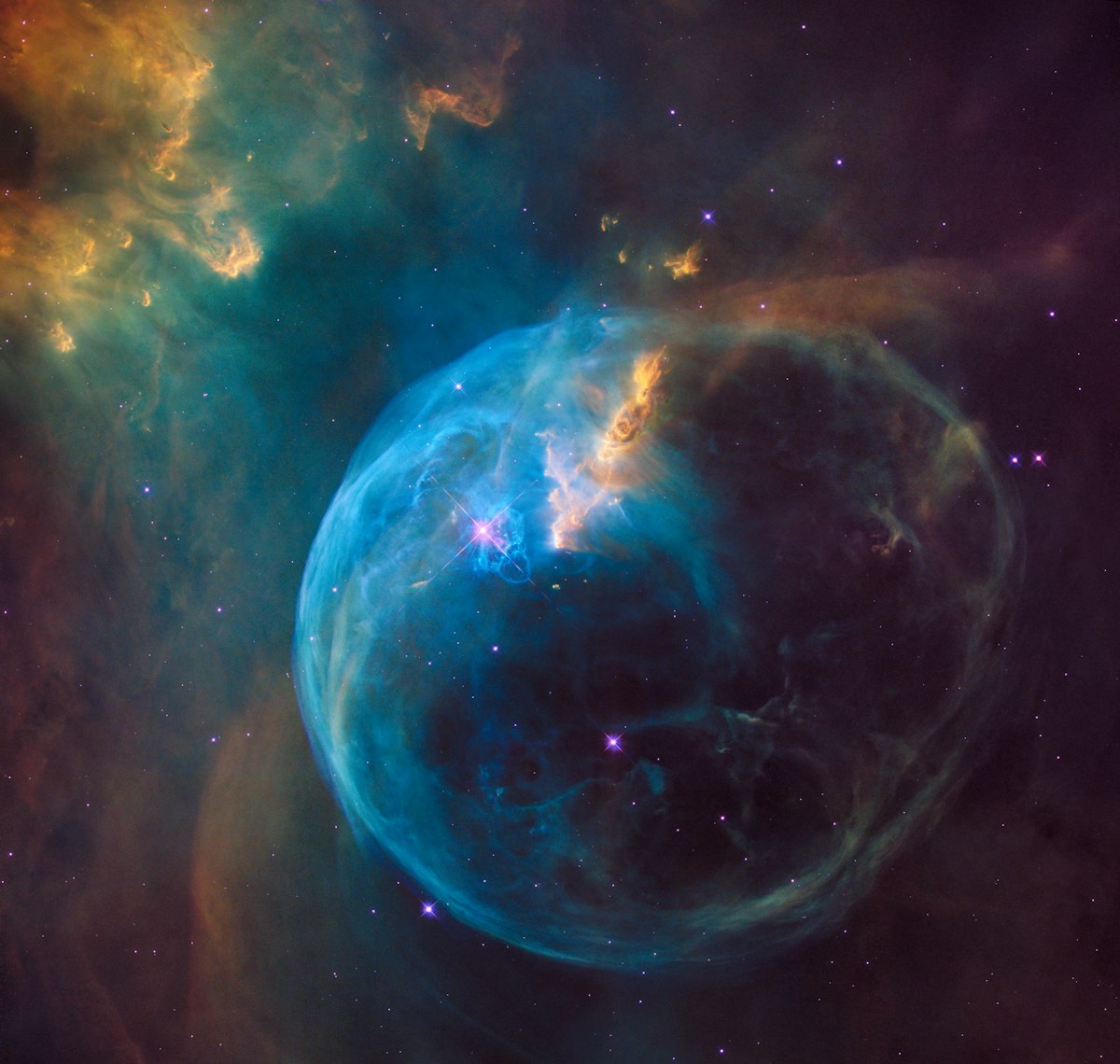
- Primary Signal: What Is a Nebula? A Beginner's Guide to the Clouds Where Stars Are Born
- Overview: Nebulae are the glowing clouds of gas and dust where stars are born and where dying stars leave their mark. This guide explains the main types, the famous examples, and how to see ...
- Verification: Analyzed and compiled by FreeSky Cosmos editorial monitoring desk.
A nebula is a cloud of gas and dust floating between the stars, and it is one of the most important objects in astronomy because nebulae are both the birthplaces of stars and the remains of stars that have died. The word comes from the Latin for cloud, and early telescope observers applied it to anything fuzzy in the sky, including what we now know are distant galaxies. Modern astronomy reserves the term for true interstellar clouds inside our own galaxy, and those clouds come in several distinct kinds.
The gas in a nebula is mostly hydrogen, the simplest and most abundant element, mixed with helium and traces of heavier elements, plus dust grains made of carbon and silicates. These clouds can span light-years and contain enough material to form thousands of stars, yet they are extraordinarily thin by Earth standards: a laboratory vacuum on Earth is often denser than a nebula. Their beauty in photographs comes from long exposures collecting faint light, while through a telescope they usually appear as soft grey glows.
Emission nebulae glow because nearby hot young stars energise their hydrogen gas, which then radiates light, often in the red of hydrogen-alpha emission. The Orion Nebula is the classic example, a stellar nursery visible to the naked eye as a fuzzy patch in Orion's sword. Reflection nebulae do not glow on their own; they scatter the light of nearby stars, which is why they often appear blue, since dust scatters blue light more efficiently, just as Earth's sky is blue.
When a Sun-like star dies, it sheds its outer layers in a gentle outflow that glows as a planetary nebula, a name that stuck from early observers who thought their round shapes resembled planets. The Ring Nebula and the Dumbbell Nebula are popular examples, and at their centres sit white dwarfs, the hot exposed cores of the dead stars. These shells enrich space with carbon and other elements that later generations of stars and planets will reuse.
The Orion Nebula is the best first target: find Orion in winter skies, look below the belt stars for the sword, and even binoculars show a glowing patch with a brighter core. A small telescope reveals texture and the Trapezium, a cluster of young stars at its heart. The Lagoon Nebula and the Swan Nebula are good summer targets from dark sites, while the Ring Nebula is a small, distinct smoke-ring shape that rewards medium magnification.
📖 Continue Reading the Full Story
Continue reading this article on FreeSky Cosmos.
⚡ Access Full Content NowMore from FreeSky Cosmos
 ⚡ CyberTech 568
How to Write Better Prompts for AI Image Generation: A Beginner's Guide
Good AI images start with specific prompts. Learn to describe subject, style, lighting and composition so the ...
 ☁️ FreeSky Cloud
VPS Backup Automation Guide: Set It Once and Stop Worrying
A practical, step-by-step guide to vps-backup-automation-guide, with the common mistakes to avoid and a reusab...
 🌍 FreeSky Remote
The Best Freelance Rate Calculator Methods for Beginners (2026)
New freelancers almost always undercharge. Here are the rate-setting methods that actually work for beginners ...
 💎 LuxeLiving 768
Supercar Track Day Beginner Guide: Your First Day on Circuit, Step by Step
A track day is the best way to learn what your supercar can really do. This beginner guide covers preparation,...