Stargazing in Light-Polluted Cities: How to See More From Exactly Where You Live

- Primary Signal: Stargazing in Light-Polluted Cities: How to See More From Exactly Where You Live
- Overview: You do not need a dark-sky trip to enjoy astronomy. With the right targets, timing and small gear changes, city stargazing can be surprisingly rewarding....
- Verification: Analyzed and compiled by FreeSky Cosmos editorial monitoring desk.
Most people who try stargazing from a city conclude within minutes that there is nothing to see. The sky glows orange, only a handful of stars show, and the Milky Way is a rumour. That conclusion is understandable but wrong: city skies hide faint objects, but they leave plenty of bright, beautiful targets untouched, and a few simple habits can double or triple what you see from your own street.
Light pollution works by scattering artificial light in the atmosphere, raising the background brightness of the sky. Faint objects like galaxies and dim nebulae drown in that glow, because their light is spread thinly across a wide area. Bright, concentrated objects survive far better: the Moon, the planets, bright double stars, open star clusters and the brightest nebulae all punch through city glow because their light is packed into a small patch of sky.
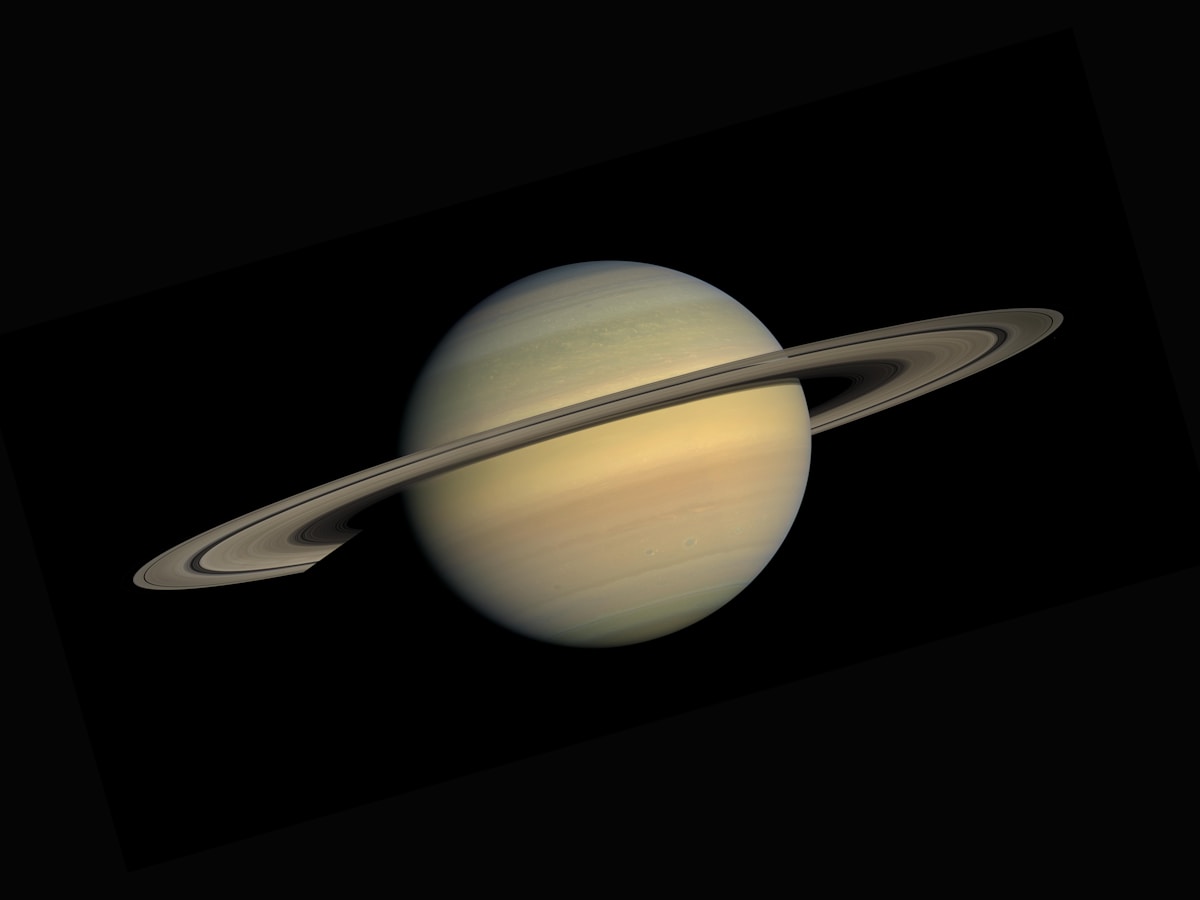
Start with the Moon, which is spectacular from anywhere. Even a small telescope or a pair of binoculars reveals craters, mountain ranges and the long shadows near the terminator, the line between lunar day and night. Then move to the planets: Jupiter's four bright moons are visible in binoculars, Saturn's rings show in a small telescope, and Mars shows a ruddy disc and, at good oppositions, a polar cap. Venus and Mercury, visible near sunrise and sunset, are bright enough to spot with the naked eye.
Double stars are the city observer's secret weapon. Pairs like Albireo in Cygnus, with its gold and blue components, or Mizar and Alcor in the handle of the Big Dipper, split cleanly in small instruments and look superb under light-polluted skies. Bright open clusters such as the Pleiades, the Beehive and the Double Cluster also hold up well, because their stars are individually bright even when the background glows.
Timing and technique matter more than equipment. Give your eyes at least 20 minutes to adapt to the dark, and shield them from direct lights by standing in the shadow of a building or using a hood. Observe after midnight when many commercial lights switch off and the air often steadies. Avoid looking at your phone's white screen; a red-light mode preserves night vision, and many astronomy apps offer one built in.
A light-pollution filter can help for specific targets. These filters block the wavelengths of common street lighting, particularly sodium and mercury lamps, while passing the light of nebulae. They do not work miracles, and they are far less effective against modern broad-spectrum LED lighting, but for bright nebulae like the Orion Nebula they can add noticeable contrast. For planets and the Moon, filters are unnecessary.
Location tweaks within the city also pay off. A rooftop, a park away from direct lamps, or even the darker side of your own building can drop the local glare significantly. If you can reach a suburb or a nearby hill, even a 20-minute drive can move you from a bright urban sky to a noticeably darker one, and the difference in what you see will surprise you.
City stargazing will never replace a dark-sky site, and nobody should pretend otherwise. But it has its own virtue: it is available every clear night, with no travel, no planning and no cost. The astronomers who observe most are the ones who observe from home, and the sky above your street has more to offer than its orange glow suggests.
If you catch the bug, a local astronomy club is the best next step: clubs run public observing nights, lend telescopes, and know the darkest accessible spots near your city, which turns a solitary hobby into a shared one overnight.
📖 Continue Reading the Full Story
Continue reading this article on FreeSky Cosmos.
⚡ Access Full Content NowMore from FreeSky Cosmos

 🛰️ FreeSky Aerial
How to Carry Medications on International Flights: 2026 Rules
Flying with medication in 2026? This guide covers carry-on rules, the 100 ml exemption for liquid medicines, l...
 ⚡ CyberTech 568
Step-by-Step Tutorial: Playback Speed Calculator — Video Time at Any Speed (Day 2 Guide)
How to accurately use the Playback Speed Calculator — Video Time at Any Speed on CyberTech 568. Discover essen...
🤖 WinBar AI
Step-by-Step Tutorial: YouTube Thumbnail Downloader & Grabber — 4K (Day 2 Guide)
How to accurately use the YouTube Thumbnail Downloader & Grabber — 4K on WinBar AI. Discover essential practic...
 🏆 2026 World Cup Central
World Cup 2026 Time Zones Guide: How to Watch Every Match From Home Without Burnout
Four North American time zones mean late nights for European fans and early mornings for Asian fans — here is ...