What James Webb's Mars-Sized World Collisions Tell Us About How the Moon Formed
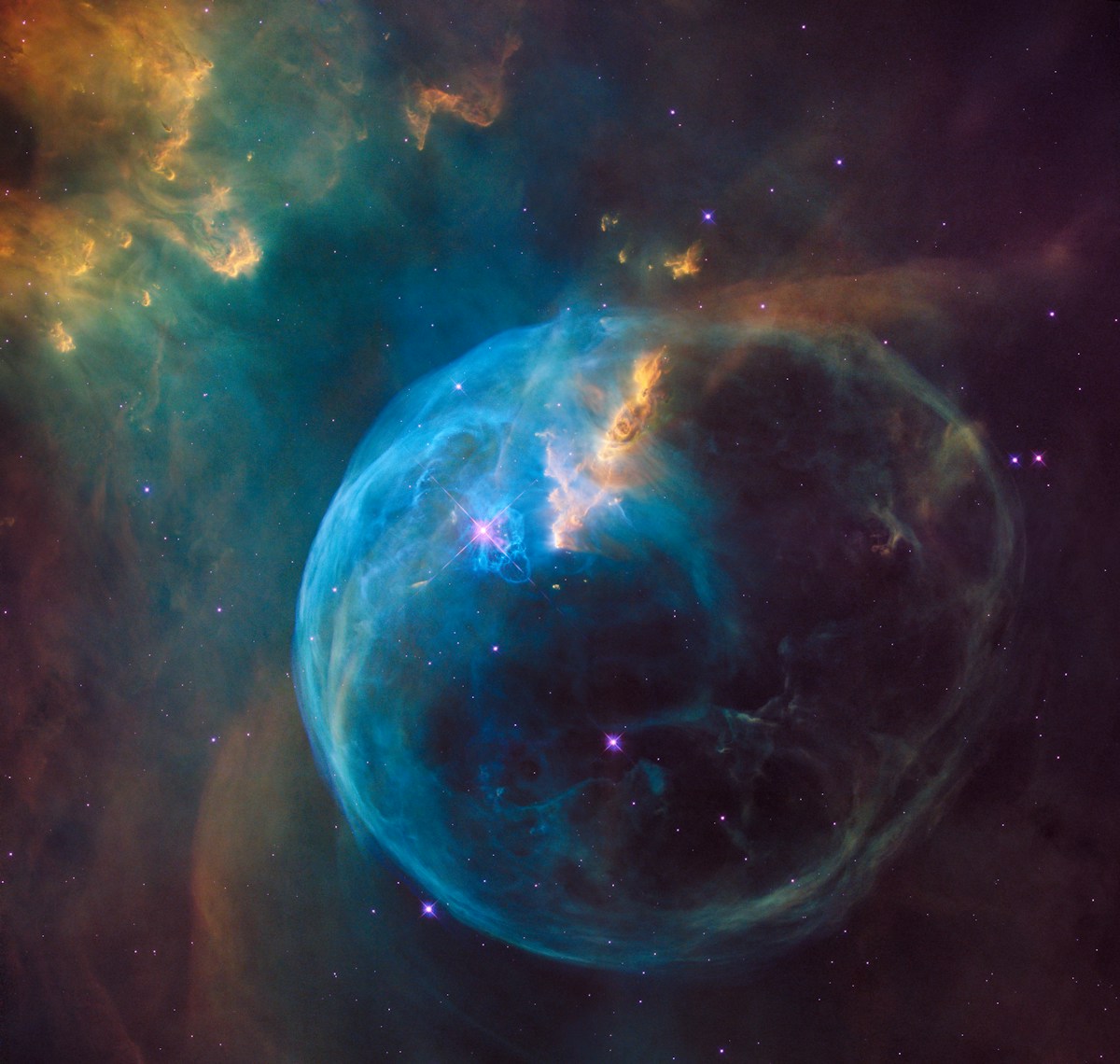
- Primary Signal: What James Webb's Mars-Sized World Collisions Tell Us About How the Moon Formed
- Overview: Webb's study of dusty young star systems shows Mars-sized bodies smashing together — the same kind of collision scientists believe built our Moon....
- Verification: Analyzed and compiled by FreeSky Cosmos editorial monitoring desk.
When the young Earth was still a molten, restless world, something about the size of Mars slammed into it. The debris from that impact eventually gathered into the Moon, at least according to the leading theory of lunar formation. For decades that story rested on computer models and the chemistry of Moon rocks. Now the James Webb Space Telescope has found something remarkable: other young star systems where the same kind of violence appears to be happening right now, written in clouds of warm dust.
Astronomers pointed Webb at 21 young stars surrounded by unusually large amounts of warm dust, a rare setup found around only about one in a hundred young stars. These so-called extreme debris disks sit close to their stars, in exactly the zone where rocky planets like Earth and Mars form. Webb's infrared vision could read the dust in detail that earlier telescopes could not, revealing smaller-than-usual dust grains, very high concentrations of warm material, and brightness that flickers irregularly over time.
That flickering matters. A calm, settled disk of dust shines steadily. A disk freshly churned by a giant collision keeps changing as debris spreads, clumps and grinds itself down. Combined with the mineral makeup of the dust, the pattern points to recent, energetic impacts rather than a slow, gentle rain of small rocks. In other words, Webb is catching planetary construction sites in the act, not long after the crash.
📖 Continue Reading the Full Story
Continue reading this article on FreeSky Cosmos.
⚡ Access Full Content NowMore from FreeSky Cosmos

 ⚡ CyberTech 568
Step-by-Step Tutorial: Palworld Breeding Calculator — Parents, Combos & Paths (Day 2 Guide)
How to accurately use the Palworld Breeding Calculator — Parents, Combos & Paths on CyberTech 568. Discover es...
🤖 WinBar AI
Step-by-Step Tutorial: YouTube Thumbnail Downloader & Grabber — 4K (Day 2 Guide)
How to accurately use the YouTube Thumbnail Downloader & Grabber — 4K on WinBar AI. Discover essential practic...
 ☁️ FreeSky Cloud
ROI & Value Audit: GST Calculator — Add or Extract GST & VAT (Day 15 Guide)
How to save time and eliminate guesswork with GST Calculator — Add or Extract GST & VAT on FreeSky Cloud. Disc...
 🛰️ FreeSky Aerial
How to Shoot a Drone Hyperlapse: A Beginner's Step-by-Step Guide
A hyperlapse turns a slow drone flight into a spectacular rushing video. Pick a subject with a clear path, use...