
Why Do Starlink Satellites Look Like a Line of Lights in the Sky?
Not a UFO — the science of the Starlink satellite train: batch deployments, reflected sunlight, and why the line of lights fades within days.
302 stories published in 2026
Not a UFO — the science of the Starlink satellite train: batch deployments, reflected sunlight, and why the line of lights fades within days.

One bright dot or a line of many? A 5-step method to tell the ISS apart from a Starlink train — and from planes and meteors too.

Jupiter is a late-night naked-eye target this autumn. Six steps to find the giant planet tonight using the twinkle test and a free sky app.
The James Webb Space Telescope's s MIRI and NIRCam instruments have captured an amazing view of spiral galaxy NGC 2090. The galaxy is about 37 million light years away in the Columbia constellation. Also, see a view of NGC 2090 from the Hubble Space Telescope. Credit: Space.com | ESA/Webb, ESA/Hubbl

APOD Science APOD APOD: 2026 October 18 –… Today’s APOD Archive Submissions Index Search Calendar RSS Education About Discuss APOD Astronomy Picture of the Day Discover the cosmos! Each day a different image or photograph of our fascinating universe is featured, along with a brief explanation writte
The Hubble Space Telescope has found evidence of a "wandering" black hole about 5000 light years away in the Milky Way galaxy. Astronomers estimate that there could be 100 million black holes wandering around our galaxy. Credit: NASA Goddard Space Flight Center
Watch how a single engine on the flight 7 SpaceX Starship was test fired to simulate an in-space burn. Credit: Space.com | footage courtesy: SpaceX | edited by Steve Spaleta
The incredible power of SpaceX Starship is on display in slow motion footage that show shockwaves propagating from the launch. Also, see slow motion footage of the atmospheric re-entry of Starship. Credit: Space.com | footage courtesy: SpaceX | edited by Steve Spaleta
Explore one of the most famous supernova remnants in our galaxy, Cassiopeia A, as seen through the powerful eyes of the James Webb Space Telescope. The detailed NIRCam image uncovers the beautiful and chaotic web of gas and dust left behind by a cosmic cataclysm. Credit: Space.com | footage courtesy
A step-by-step guide for space enthusiasts and creators to join Muse.ai, redeem code EJHHO6, and claim 1 billion tokens for research and content help.
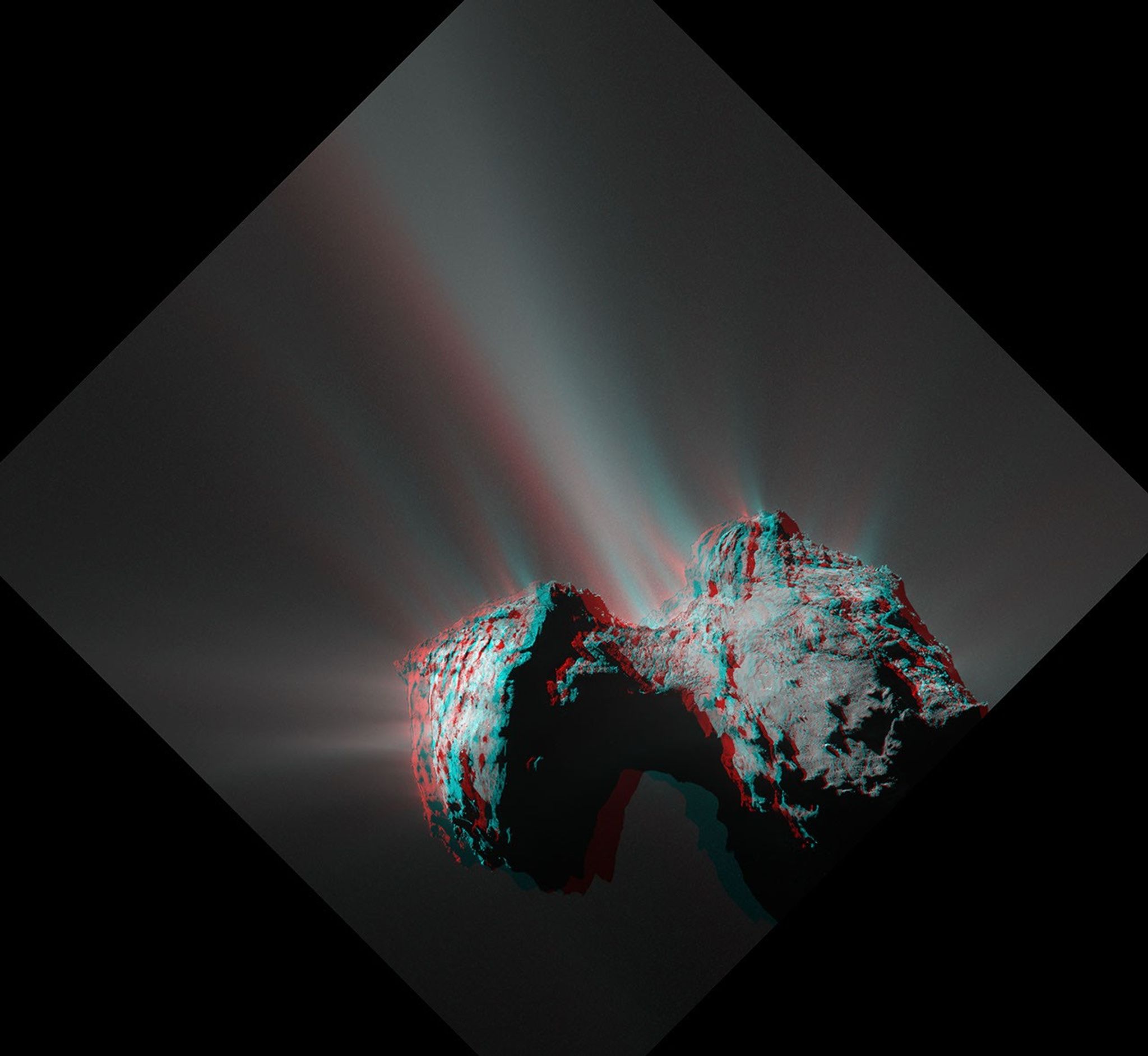
APOD Science APOD APOD: 2026 17 de outubro… Arquivo APOD de hoje Índice de envios Pesquisar Calendário RSS Educação Sobre Discutir APOD Astronomia Imagem do dia Descubra o cosmos! Cada dia é apresentada uma imagem ou fotografia diferente do nosso fascinante universo, juntamente com uma breve explicação escrita
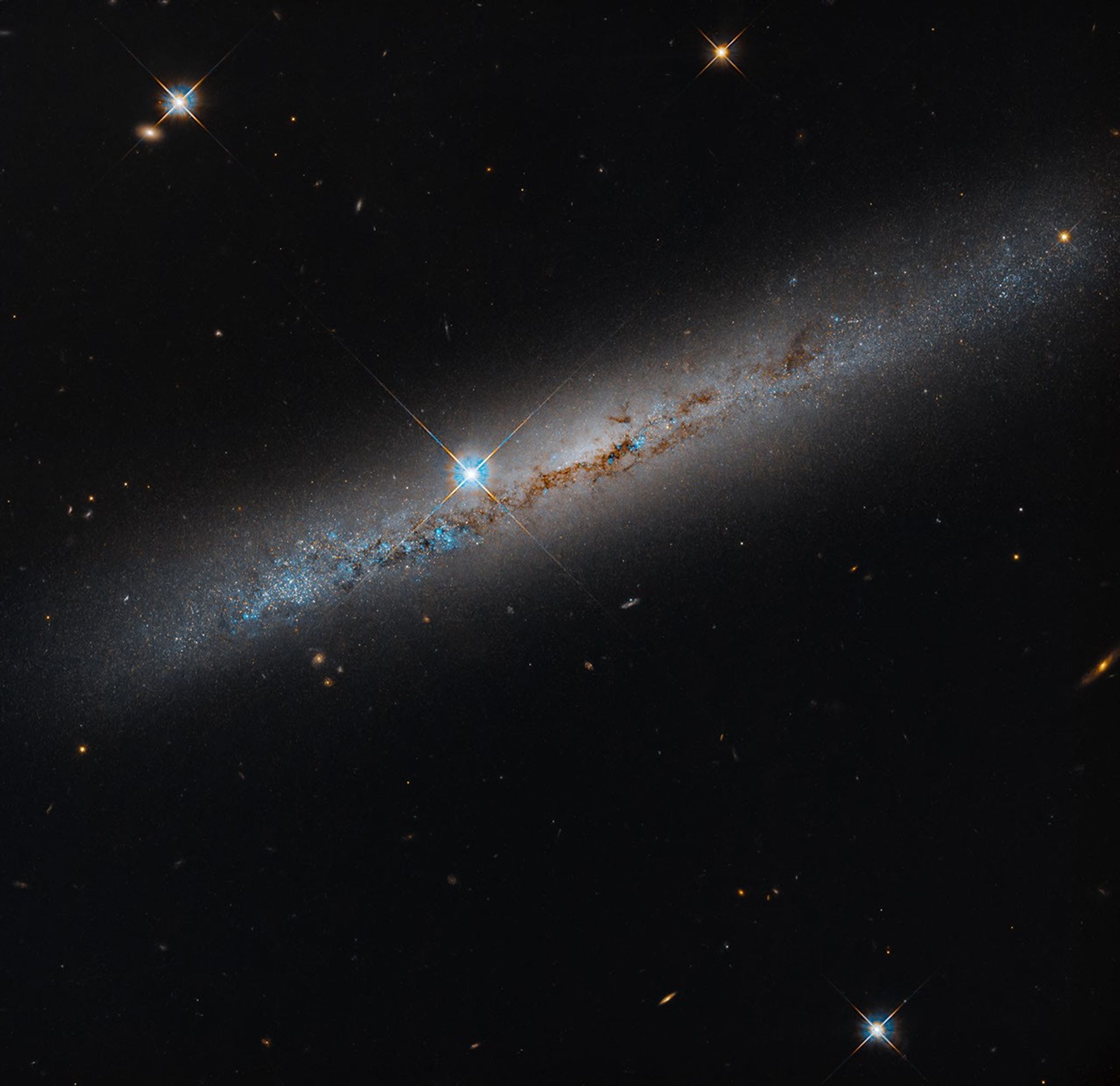
Esta imagem do Telescópio Espacial Hubble da NASA mostra a galáxia espiral intermediária NGC 1827, localizada a cerca de 37 milhões de anos-luz de distância, na constelação de Columba, a Pomba.

APOD Science APOD APOD: 2026 16 de outubro –… Arquivo APOD de hoje Índice de envios Pesquisar Calendário RSS Educação Sobre Discutir APOD Astronomia Imagem do dia Descubra o cosmos! Cada dia é apresentada uma imagem ou fotografia diferente do nosso fascinante universo, juntamente com uma breve explicação escrita
The Very Large Telescope (VLT) and the Atacama Large Millimeter/submillimeter Array (ALMA) has captured a "violent cosmic collision in which one galaxy pierces another with intense radiation," according to the European Southern Observatory (ESO). Credit: ESO Directed by: Angelos Tsaousis and Martin
Incredible Views Of SpaceX Starship Re-Entering Earth's Atmosphere. Credit: SpaceX
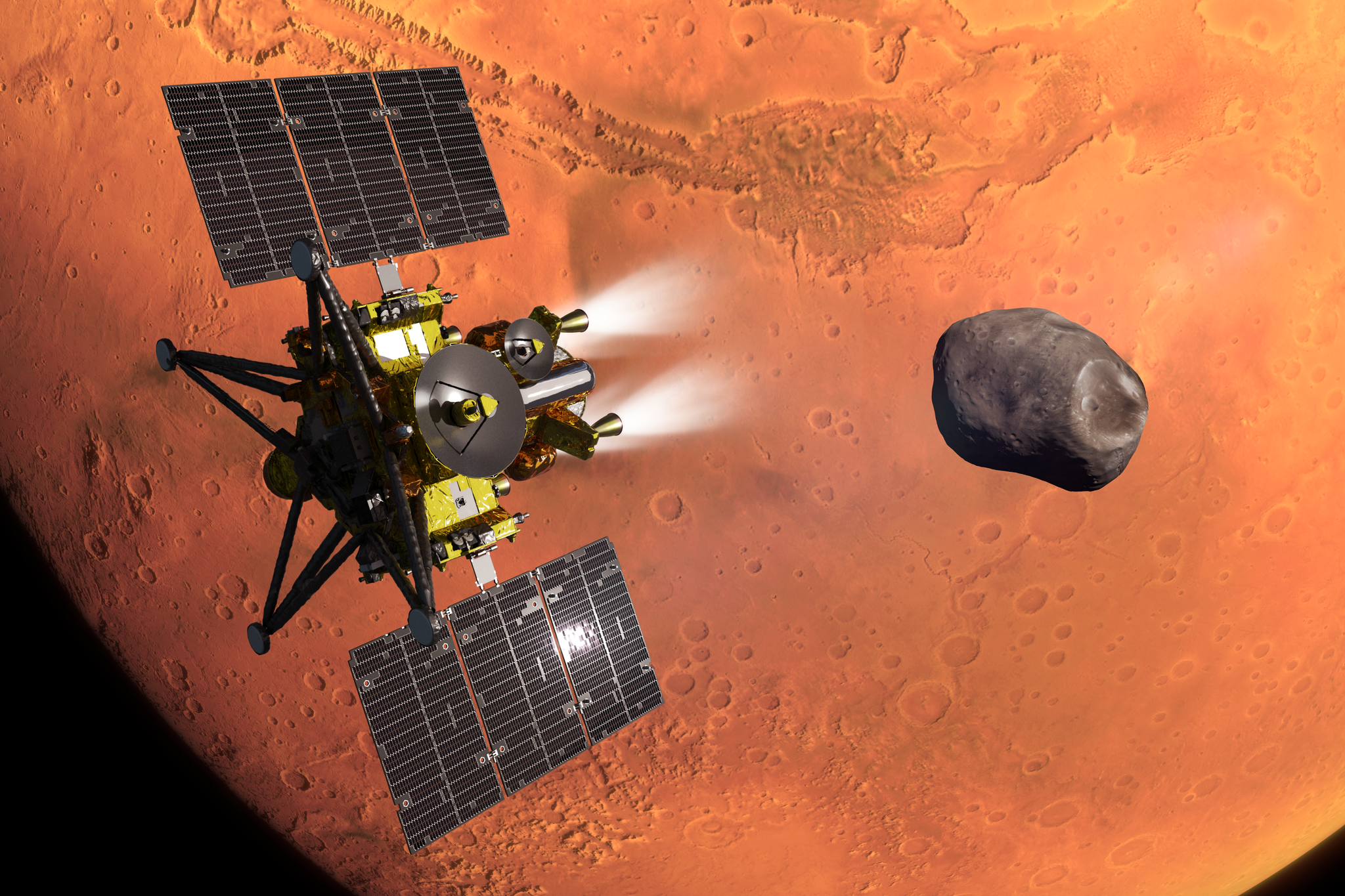
A NASA está desempenhando um papel importante na missão MMX (Martian Moons eXploration) da JAXA (Agência de Exploração Aeroespacial do Japão), para avançar a nossa compreensão das luas de Marte e desenvolver a longa história da agência de exploração do Planeta Vermelho. A missão visa caracterizar e determinar a origem de Marte
What was once just an animation is now a breathtaking reality. This epic video shows SpaceX's Starship successfully deploying V3 Starlink satellites, a major milestone in the company's quest for rapid and reusable space access.
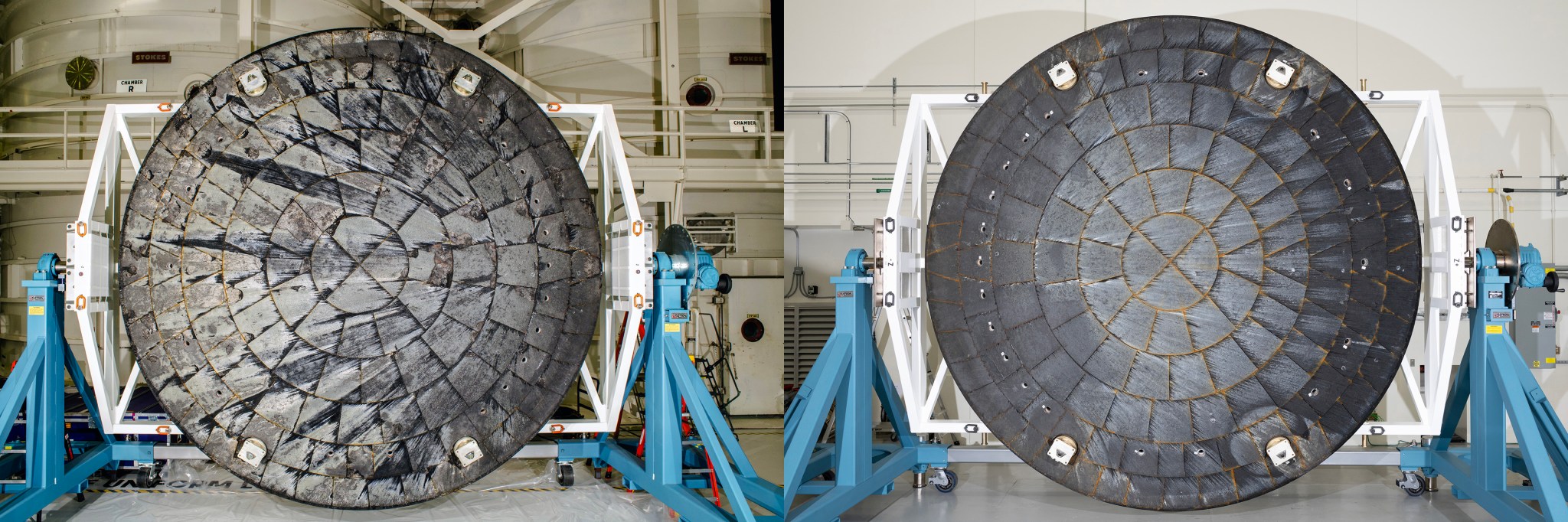
A missão Artemis II da NASA enviou quatro astronautas ao redor da Lua e os trouxe de volta à Terra em segurança, estabelecendo as bases para voos tripulados à superfície lunar. Análises adicionais de dados de engenharia do escudo térmico da espaçonave Orion confirmaram os dados iniciais mostrando o desempenho do escudo térmico como e
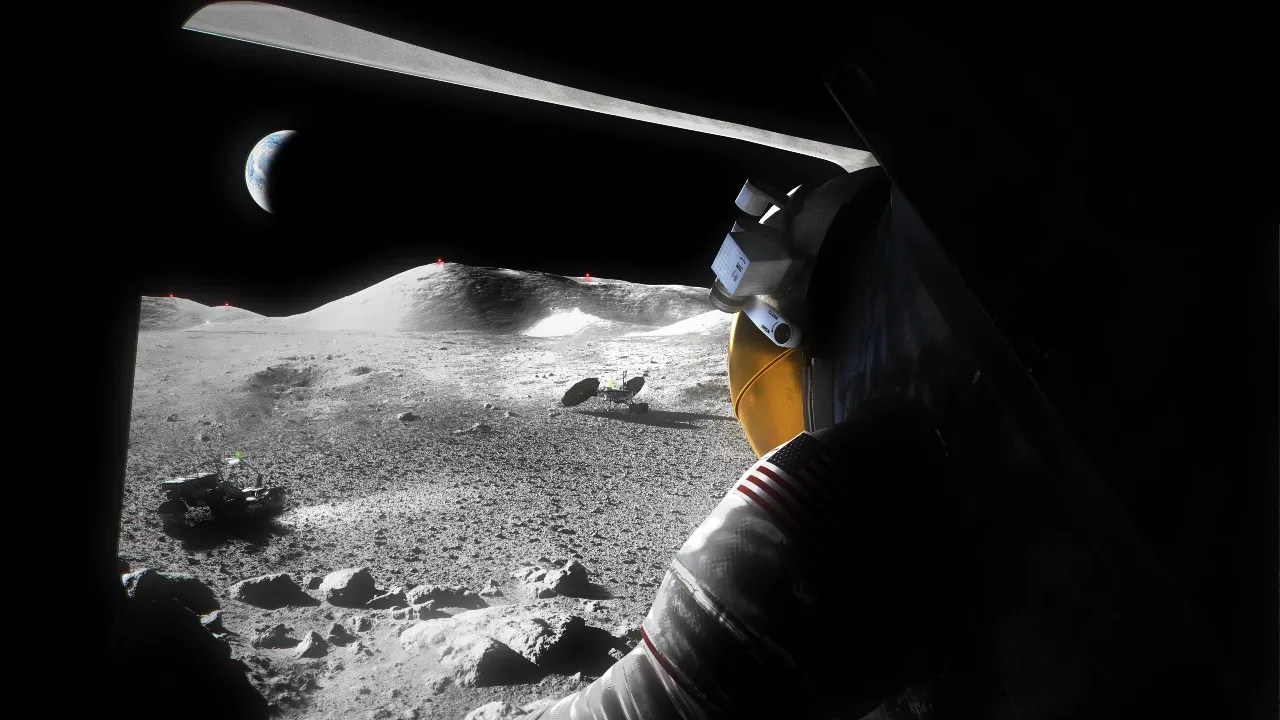
A NASA selecionou 12 instituições dos EUA para receber US$ 12 milhões para acelerar a pesquisa acadêmica e o desenvolvimento tecnológico em apoio às prioridades da agência para explorar a Lua, Marte e o espaço profundo. Por meio do Projeto de Pesquisa e Educação da Universidade Minoritária (MUREP) da NASA Space Technology Arte
James Webb Space Telescope Reveals Oldest Known Galaxy
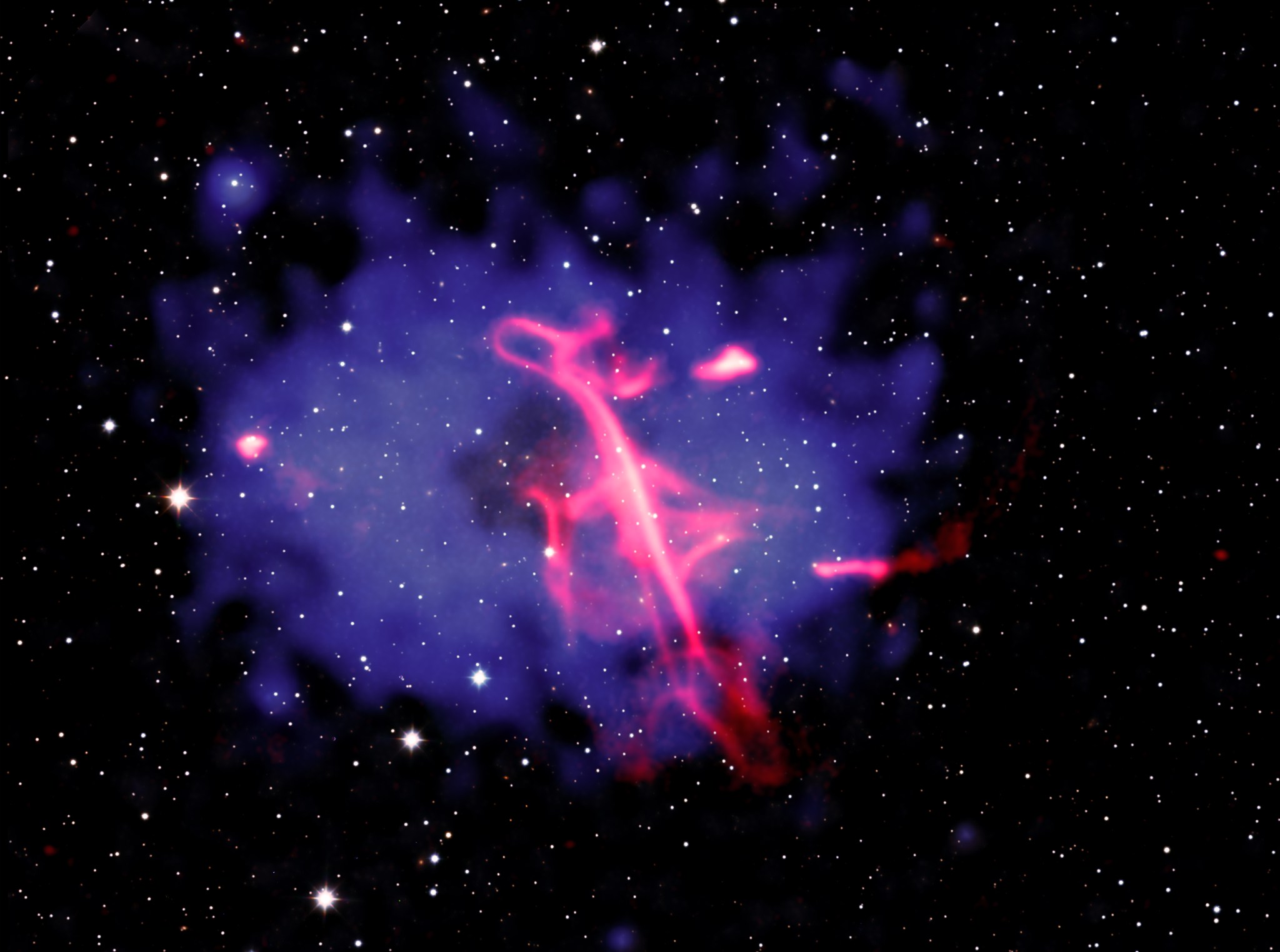
A formation of radio waves looks remarkably like a treble clef in this Oct. 14, 2026, image from NASA’s Chandra X-Ray Observatory. Researchers used Chandra to find that the Treble Clef is likely caused by an outburst from a supermassive black hole, followed by a collision of two galaxy clusters. Rea
Fly through the cosmos to the star-forming region NGC 7129. This video showcases the incredible power of the James Webb Space Telescope to see through dust and gas, unveiling the intricate and colorful details of where stars are born.

APOD Science APOD APOD: 2026 15 de outubro - O… Arquivo APOD de hoje Índice de envios Pesquisar Calendário RSS Educação Sobre Discutir APOD Astronomia Imagem do dia Descubra o cosmos! Cada dia é apresentada uma imagem ou fotografia diferente do nosso fascinante universo, juntamente com uma breve explicação escrita
The James Webb Space Telescope's Near-Infrared and Mid-Infrared instruments (NIRCam & MIRI) have delivered imagery of interacting galaxies IC 1623, located 270 million light-years from Earth. Credit: Space.com | footage courtesy: ESA/Webb, NASA & CSA, L. Armus & A. Evans, N. Bartmann | edited by Ste