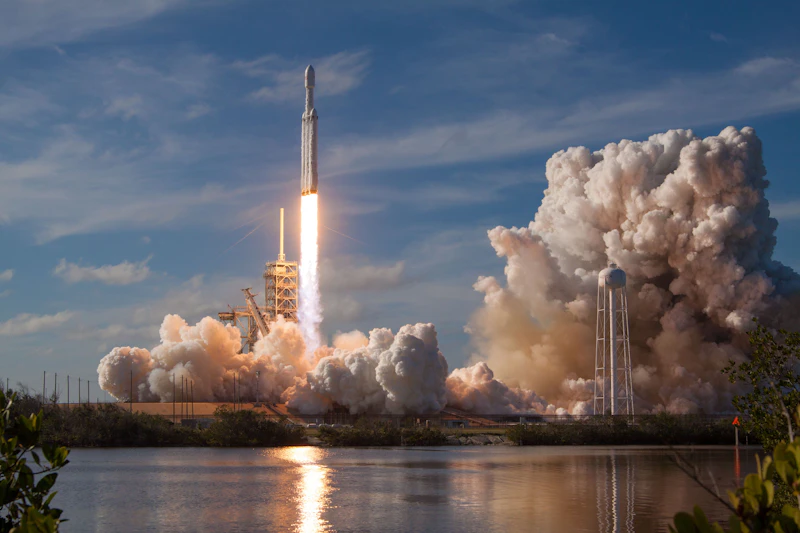
Starship in 2026: The Rocket That Could Take Us to Mars
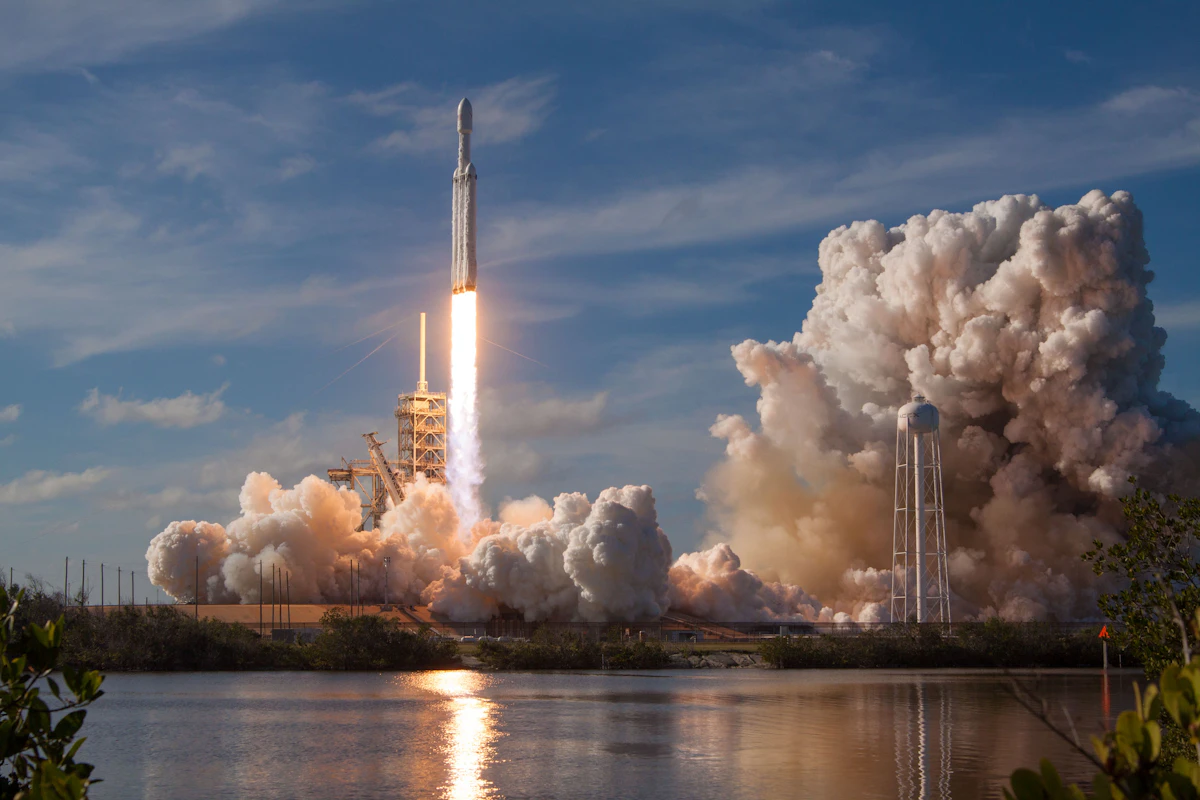
- Primary Signal: Starship in 2026: The Rocket That Could Take Us to Mars
- Overview: Starship is the largest rocket ever flown and the key to NASA's Moon plans and SpaceX's Mars ambitions. This guide explains what Starship is, what it has achieved, and what still n...
- Verification: Analyzed and compiled by FreeSky Cosmos editorial monitoring desk.
Starship is the largest and most powerful rocket ever flown, and it is the vehicle that both NASA and SpaceX are counting on for the next era of space exploration. It is designed to be fully reusable, to carry more than 100 tonnes to orbit, and to take people to the Moon and eventually to Mars. It is also still in development, and the gap between what it has done and what it must do is the most important engineering story in spaceflight today.
What Starship actually is
Starship is two vehicles in one: the Super Heavy booster, the first stage, and Starship itself, the second stage and spacecraft. Together they stand about 120 metres tall, taller than the Saturn V that took Apollo to the Moon. Both stages are designed to return and land, be refuelled, and fly again — a level of reusability no orbital rocket has achieved. The booster is caught by the launch tower's arms, a manoeuvre SpaceX calls the chopsticks catch, and the ship is designed to land propulsively. The goal is airline-like operations: rapid reuse, low cost, and a flight rate no expendable rocket can match.
What Starship has achieved so far
Starship's flight test programme has progressed from explosions to controlled flights in a few short years. Early tests ended in dramatic failures, which SpaceX treats as data, and later flights achieved stage separation, booster return and controlled ocean splashdowns. The programme's philosophy is to fly, fail, learn and fly again, and it has produced a pace of development that traditional aerospace programmes cannot match. Each flight tests new hardware and new procedures, and each one brings the vehicle closer to the reliability it needs for crew and cargo.
What still needs proving
Several critical capabilities remain unproven. Orbital refuelling — transferring propellant between two Starships in orbit — is essential for Moon and Mars missions, because a single Starship cannot carry enough fuel for the journey alone. Long-duration life support, radiation protection and landing on unprepared surfaces are all unsolved problems for a crewed Mars mission. And the flight rate must increase dramatically: the Mars architecture requires many Starship flights per mission, and the current cadence is far below that. Each of these is a major engineering challenge, and solving them will take years.
Starship and the Moon: the Artemis connection
NASA has chosen a variant of Starship as the lunar lander for the Artemis programme, which aims to return astronauts to the Moon. That makes Starship a critical path item for Artemis: the Moon landing cannot happen until Starship is proven as a lander. The variant needs to demonstrate refuelling, landing, and operation on the lunar surface, and NASA and SpaceX are working through those demonstrations in parallel with the flight test programme. The Moon is the proving ground, and the lessons learned there will decide whether Mars is feasible.
Why Starship matters even if Mars is far away
Even if a Mars mission is decades away, Starship matters now. A fully reusable super-heavy rocket would transform access to space: launching large telescopes, space stations and satellites at a fraction of today's cost, and enabling missions that are impossible with current rockets. It would also change the economics of the Moon, making a sustained lunar presence affordable. Starship is a bet that reusability at scale changes everything, and the bet is being tested in public, one flight at a time. Whether it succeeds or not, it has already changed how the industry thinks about what a rocket can be. The next flight will teach us more, and the one after that more still.
More from FreeSky Cosmos