Proxima Centauri b: Could the Nearest Exoplanet Support Life?
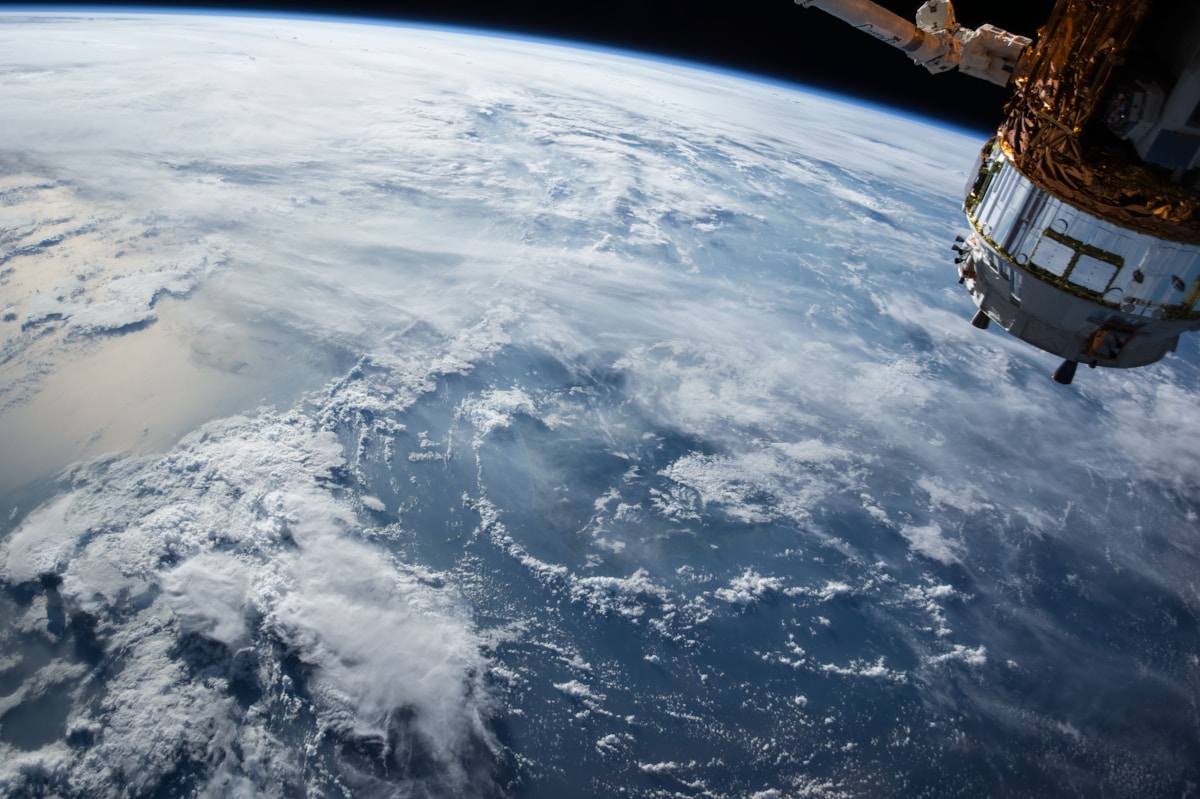
- Primary Signal: Proxima Centauri b: Could the Nearest Exoplanet Support Life?
- Overview: Proxima Centauri b: could the nearest exoplanet support life, and what do we actually know about our closest neighbour?...
- Verification: Analyzed and compiled by FreeSky Cosmos editorial monitoring desk.
Proxima Centauri b is the closest exoplanet to Earth, orbiting the nearest star at just 4.24 light-years away, and it sits in the habitable zone where liquid water could exist. That combination has made it the most tantalising target in the search for life beyond our solar system. But the reality is more complicated than the headline, and what we actually know is far less than what we hope. This guide separates the facts from the speculation.
What We Know
Proxima Centauri b was discovered in 2016 by measuring the wobble it causes in its star, and it has a minimum mass of about 1.2 Earths, which suggests it is a rocky planet. It orbits its red dwarf star every 11 days, and it receives about 65% of the light Earth receives from the Sun, which puts it in the habitable zone. It is almost certainly tidally locked, with one side always facing the star. That is nearly everything we know for certain: the planet has never been directly imaged, and its atmosphere, if it has one, is unmeasured.
The Flare Problem
Proxima Centauri is a flare star, and it regularly erupts with flares far more powerful than anything the Sun produces. These flares blast the planet with radiation and charged particles that could strip away its atmosphere over time. A planet without an atmosphere cannot hold liquid water on its surface, whatever its orbit. The question is not whether the flares happen, but whether the planet's magnetic field, if it has one, protects it. We do not know, and we may not know until we can image the planet directly.
The Habitable Zone Is Not a Guarantee
The habitable zone is the range of orbits where liquid water could exist on a rocky planet's surface, given the right atmosphere. It is a starting point, not a guarantee: Venus is in the Sun's habitable zone, and its surface is hot enough to melt lead. Proxima b's position in the zone means water is possible, not that it is present. The planet could be a desert, a frozen world, or a water world, and we cannot tell which from the current data.
How We Could Learn More
The next step is direct imaging: the Extremely Large Telescope, under construction in Chile, may be able to image Proxima b and measure its atmosphere in the 2030s. Space-based concepts like the proposed Habitable Worlds Observatory aim to do the same from orbit. Until then, astronomers study the star's flares, model the planet's climate, and search for similar planets around calmer stars. Proxima b is the closest target, but it may not be the best one.
Why It Matters Anyway
Proxima b matters because it is close enough to imagine reaching: at 4.24 light-years, a probe travelling at 20% of light speed could arrive in about 20 years, and the Breakthrough Starshot concept proposes exactly that. It matters because it is the first exoplanet most people can picture, a next-door world that might be habitable. And it matters because it reminds us that the nearest star has a planet in the habitable zone, which suggests such planets are common. The answer to whether life exists there is still unknown, but the question is worth asking.
Key Takeaways
- Proxima b is 4.24 light-years away, the closest known exoplanet - It has a minimum mass of about 1.2 Earths and orbits in 11 days - Its star's flares may have stripped its atmosphere away - The habitable zone means water is possible, not that it is present
Frequently Asked Questions
Could humans live on Proxima Centauri b? We do not know. It is in the habitable zone, but its star's flares may have stripped its atmosphere, and the planet has never been directly imaged. The answer awaits the next generation of telescopes.
Proxima b is the closest exoplanet and the most tantalising. It may be habitable, it may be barren, and the difference will be settled by telescopes now being built.
More from FreeSky Cosmos