NASA Adds New Science Investigations for Moon Base
Story summary
Editor’s note: This release was updated on Sept. 30, 2026, to correct the name of the DISCO payload. NASA selected three new scientific investigations and their payload suites to advance our knowledge of the Moon and help pave the way for building humanity’s first lunar outpost, Moon Base. The suite
📌 Key Highlights & Takeaways
- Editor’s note: This release was updated on Sept.
- 30, 2026, to correct the name of the DISCO payload.
- NASA selected three new scientific investigations and their payload suites to advance our knowledge of the Moon and help pave the way for building humanity’s first lunar outpost, Moon Base.
Editor’s note: This release was updated on Sept. 30, 2026, to correct the name of the DISCO payload.
NASA selected three new scientific investigations and their payload suites to advance our knowledge of the Moon and help pave the way for building humanity’s first lunar outpost, Moon Base.
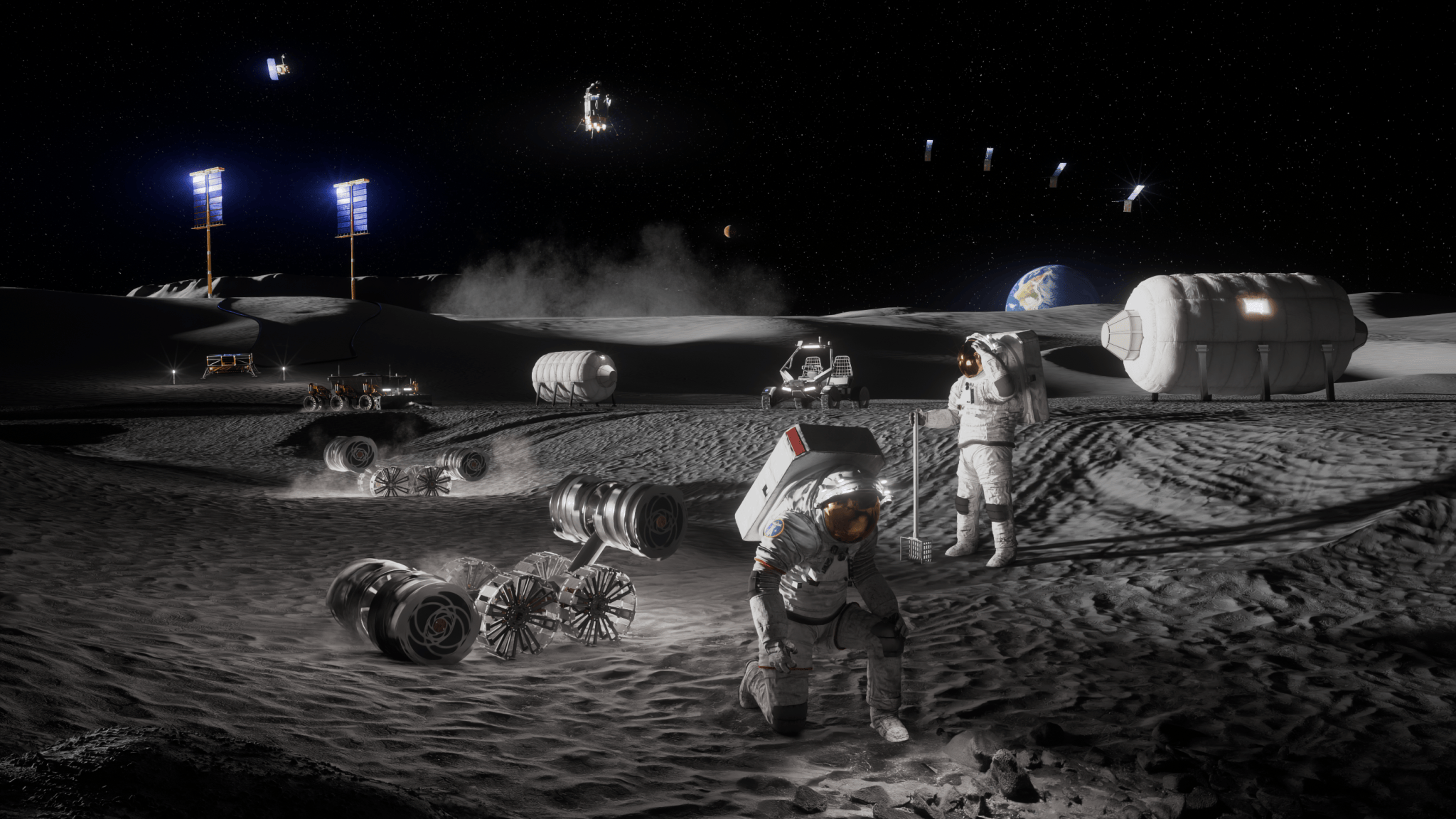
The suite of science instruments and technologies was selected through NASA’s Payloads and Research Investigations on the Surface of the Moon (PRISM) program and will fly to the lunar surface using the CLPS (Commercial Lunar Payload Services) initiative as part of the agency’s Moon Base Program. The payloads will help researchers understand lunar resources, map natural shelters, and assess environmental hazards, laying the foundational groundwork for a safe and sustained human presence under the agency’s Artemis and Moon Base programs.
“NASA Science is building the ultimate interplanetary survival guide to ensure that science goes first to the lunar surface to provide our future astronaut crews with the vital information, resources, and safety precautions needed ahead of time to survive the night on the Moon,” said Nicky Fox, associate administrator, Science Mission Directorate, at NASA Headquarters in Washington. “These PRISM selections will directly help NASA minimize risks to our astronauts while maximizing our agency goals as we set up humanity’s first lunar outpost in preparation for sending the first astronauts to Mars.”
Lunar Environment Monitoring Station – South Pole ( LEMS-SP):
Principal Investigator: Dr. Mehdi Benna, University of Maryland, Baltimore County
Geophysical Investigation for Mapping Lunar Interior (GIMLI):
Principal Investigator: Dr. Nathaniel Putzig, Planetary Science Institute
Editorial Text & Content Analyzer
Analyze real-time word count, reading speed, and text density metrics on the fly.
Source: NASA.
Read the full story at the original source ↗
For questions: mrsmithcons@gmail.com.
More from FreeSky Cosmos