How to Start Stargazing: A Beginner's Guide to the Night Sky
- Primary Signal: How to Start Stargazing: A Beginner's Guide to the Night Sky
- Overview: Stargazing needs no expensive telescope — just dark skies, patience and a little knowledge. This guide explains how to start, what to look for first, and the gear that actually hel...
- Verification: Analyzed and compiled by FreeSky Cosmos editorial monitoring desk.
Stargazing is the oldest hobby in the world, and it is also one of the cheapest to start. You do not need a telescope, you do not need to know the constellations, and you do not need to live in the countryside. You need a clear night, a dark spot, and a little patience, and the sky will do the rest. This guide is for anyone who has looked up and wondered what they were seeing — and wanted to see more.
Start with your eyes, not a telescope
The best first instrument is the one you already have: your eyes. On a clear, dark night, the naked eye can see thousands of stars, the Milky Way, the planets, and the occasional meteor or satellite. Spend your first few sessions just looking: learn the brightest stars, find the Moon and the planets, and notice how the sky changes over hours and weeks. A telescope bought too early often ends up unused, because the owner does not know what to point it at. Learn the sky first, and the telescope will make sense later.
Learning the constellations
Constellations are the map of the sky, and learning a few of them transforms stargazing from random looking into navigation. Start with the easiest: the Plough, part of Ursa Major, which points to Polaris, the North Star. Learn Orion, the most recognisable constellation, with its belt of three stars and the red supergiant Betelgeuse. Learn Cassiopeia, the W shape that is visible all year in northern skies. A free app like Stellarium shows you the sky in real time — point your phone at the sky and it labels what you are seeing — and it is the fastest way to learn.
The Moon and the planets first
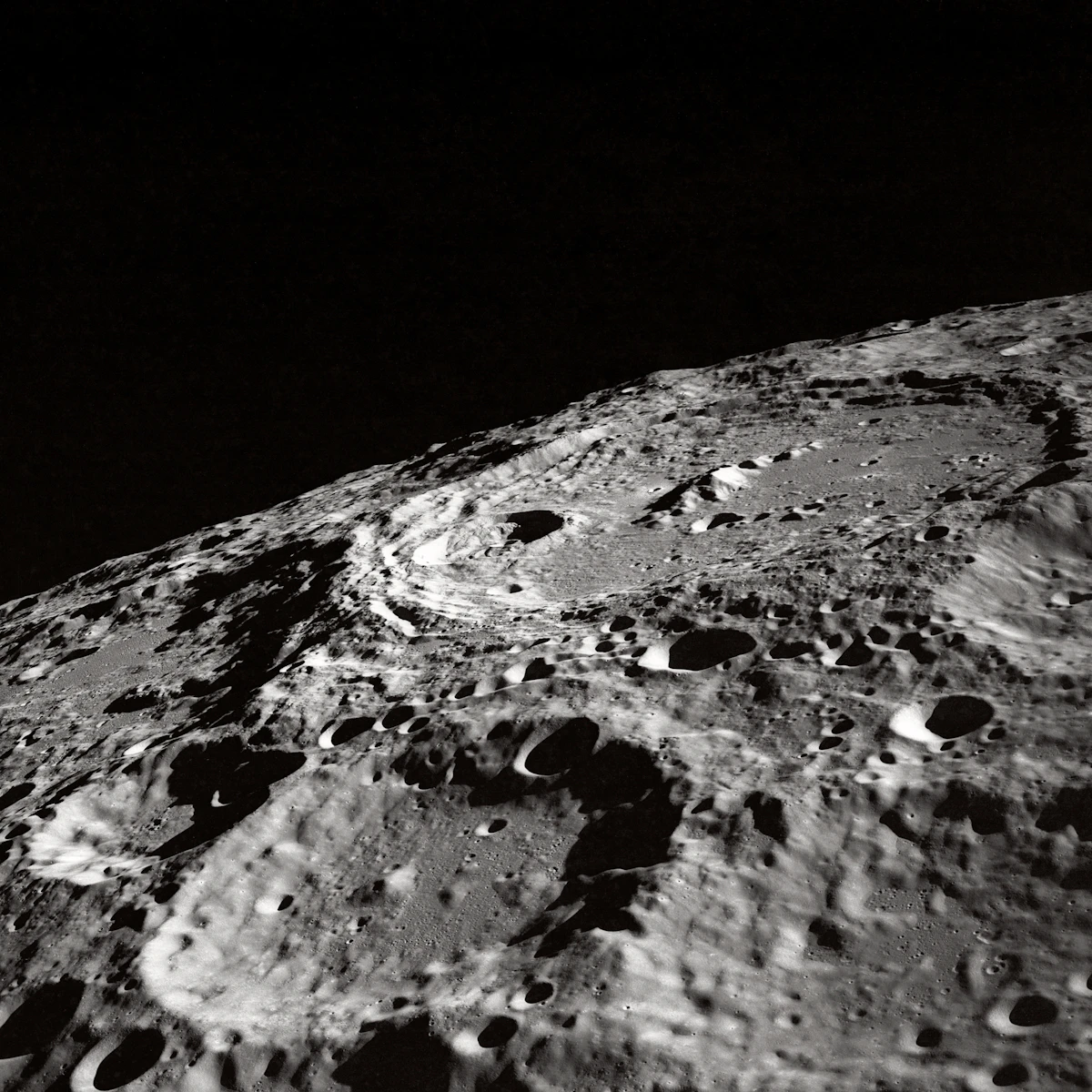
The Moon is the best first target: it is bright, detailed and different every night, and even binoculars reveal its craters and mountains. The planets are next: Venus is the brightest object after the Moon, Jupiter shows its four largest moons through binoculars, and Saturn's rings are visible through a small telescope. The planets move against the background stars, which is why they were called wanderers, and tracking them across weeks is one of the most satisfying parts of stargazing. Check a sky guide or an app for which planets are visible in your sky tonight.
Dark skies matter more than gear
The single biggest improvement to stargazing is not a telescope — it is a darker sky. Light pollution washes out faint stars, hides the Milky Way, and turns the sky grey. Drive away from the city, even half an hour, and the difference is dramatic: stars you could not see at home appear by the thousand. Give your eyes 20 minutes to adapt to the dark, and avoid looking at your phone, because a bright screen resets your night vision. A red torch preserves your dark adaptation, and it is the one accessory worth buying before anything else.
Your first telescope, when you are ready
When you are ready for a telescope, keep it simple: a small Dobsonian reflector is the best first telescope for most people, because it is easy to use, shows a lot for its price, and has no complicated electronics to learn. Avoid the cheap telescopes sold in department stores, which promise huge magnification and deliver blurry, wobbly images. A good pair of binoculars — 10x50 is the standard recommendation — is often a better first purchase than a telescope, because binoculars are portable, easy to use, and excellent for star clusters and the Moon. The best telescope is the one you use, and a simple one you use every week beats a complex one you use twice a year.
More from FreeSky Cosmos