How to See the ISS Tonight: A Beginner's Guide to Spotting the Space Station
- Primary Signal: How to See the ISS Tonight: A Beginner's Guide to Spotting the Space Station
- Overview: The International Space Station is the brightest human-made object in the night sky and easy to spot with the naked eye — here is how to find it tonight, what to look for, and the ...
- Verification: Analyzed and compiled by FreeSky Cosmos editorial monitoring desk.
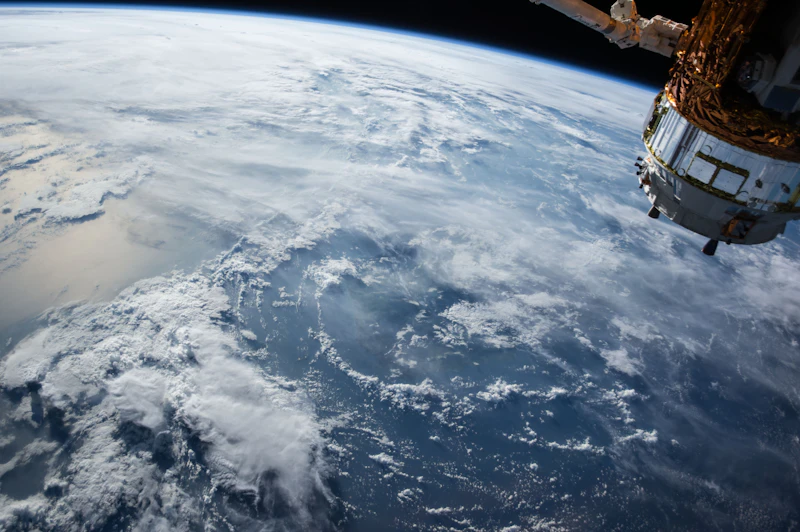
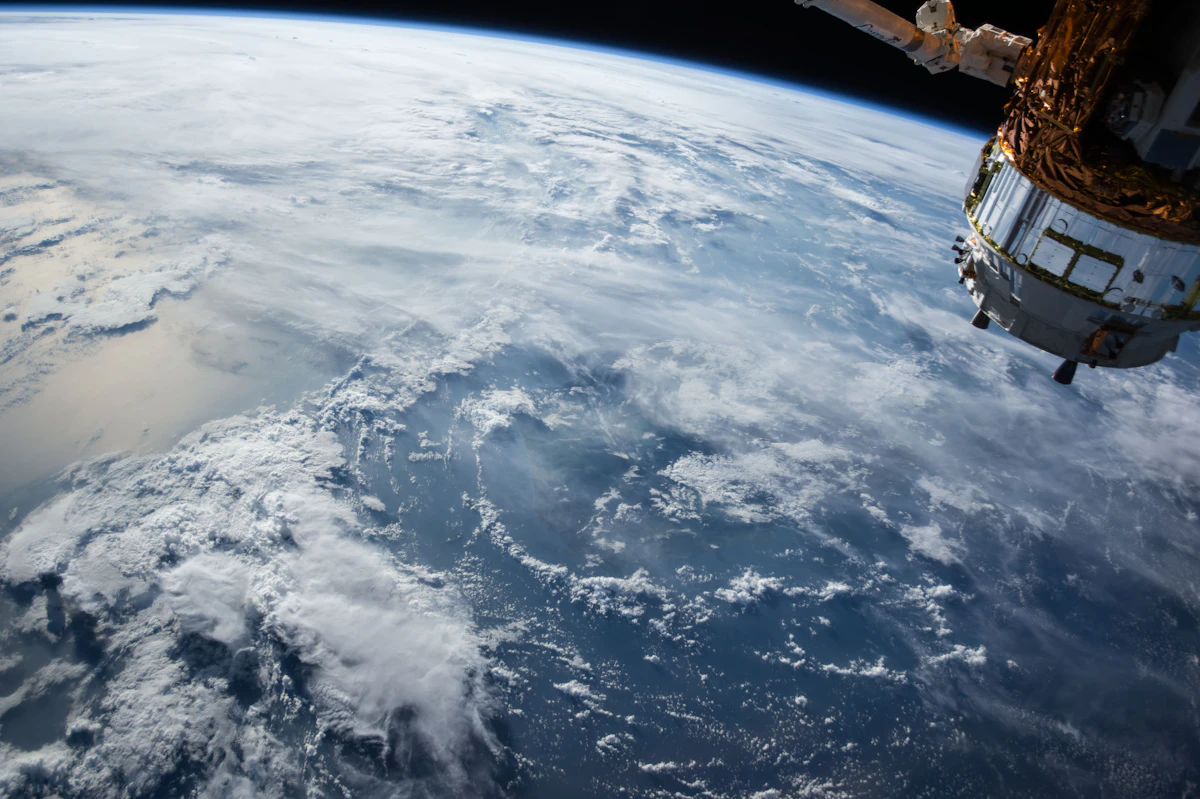
On a clear evening, one of the brightest moving lights in the sky is not a plane and not a star. It is the International Space Station, a football-field-sized laboratory orbiting about 400 kilometres above you at 28,000 kilometres per hour, carrying astronauts around the Earth every 90 minutes. You do not need a telescope or any experience to see it. You need to know when it passes over your location, which direction to look, and what it looks like. This guide covers all three, so tonight can be your first sighting.
The station appears as a bright, steady white dot gliding smoothly across the sky, usually brighter than any star and often brighter than Venus. It does not blink, it does not change direction, and it crosses from one horizon to the other in two to six minutes. Planes blink with red and green lights and move slower by comparison; satellites are usually much fainter. The best passes happen in the hour or two after sunset or before sunrise, when you are standing in darkness but the station, high above, is still catching sunlight. That is why it shines so brightly and then vanishes mid-sky when it slips into the Earth's shadow.
The station only flies over a given town a few times a week, and the exact time changes daily, so the first step is a prediction. The free NASA Spot the Station service and the Heavens-Above website both list upcoming visible passes for any location, with the time, direction and how high the station will climb. Phone apps like ISS Detector and Sky Tonight do the same with alerts and a compass view. Look for a pass with a maximum elevation above 40 degrees and a duration over three minutes; low passes near the horizon are easily hidden by buildings and trees. Set an alarm for five minutes before the listed time, and check the cloud forecast, because even thin cloud can hide it.
Go outside a few minutes early, let your eyes adjust, and face the direction the prediction gives, usually shown as a compass bearing such as northwest. The station will appear low, climb, and fade. Binoculars are optional and will show a small elongated shape rather than a point, but the naked eye is honestly the best way to enjoy it. Take a photo if you like, but use a tripod and a few seconds of exposure, since a handheld phone will mostly capture a streak or nothing at all. If children are watching, give them the countdown and let them be the first to call it out; a first ISS sighting is the kind of thing people remember.
The station has been continuously occupied for over 25 years, and the light you see is sunlight reflecting off its solar arrays and modules. It weighs around 420 tonnes, spans about 109 metres, and hosts crews who run experiments that cannot be done under gravity, from growing protein crystals to testing new materials. When you wave, nobody can see you, but crews do track sightings and know how many people look up each night. Some passes line up with the Moon or a bright planet, which makes for a memorable photograph and an easy way to explain orbits to anyone standing next to you.
How often can I see the ISS? A few times a week from most populated latitudes, in clusters of several evenings followed by gaps. Why does it disappear mid-sky? It enters the Earth's shadow and stops reflecting sunlight. Can I see it from a city? Yes, it is bright enough to beat most city light pollution on a clear night. Is it safe to look at directly? Yes, it is only reflected sunlight, like the Moon. Check tonight's prediction, step outside, and look up — the station is up there more often than most people realise.
More from FreeSky Cosmos