How Do Rockets Land Themselves? SpaceX Booster Landings Explained
- Primary Signal: How Do Rockets Land Themselves? SpaceX Booster Landings Explained
- Overview: A Falcon 9 booster falls from space at supersonic speed and lands itself on three engine burns. Here is how it works, why it is so hard, and how Starship's tower catch takes it fur...
- Verification: Analyzed and compiled by FreeSky Cosmos editorial monitoring desk.
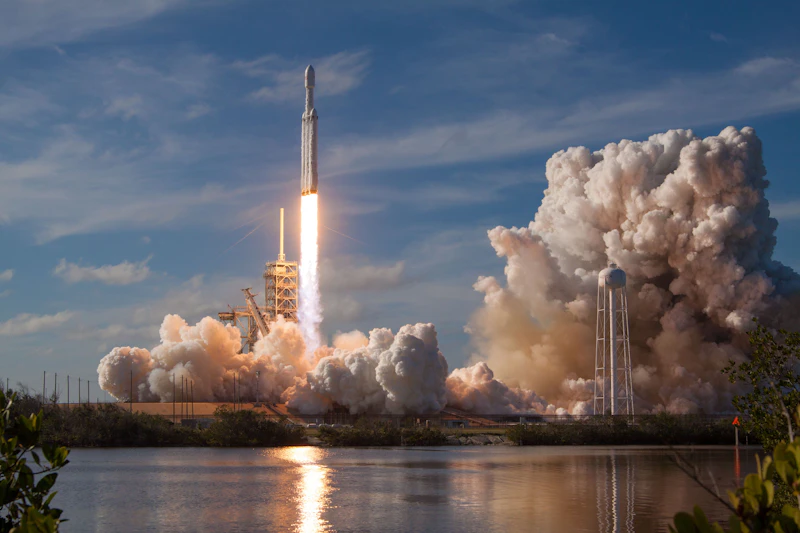
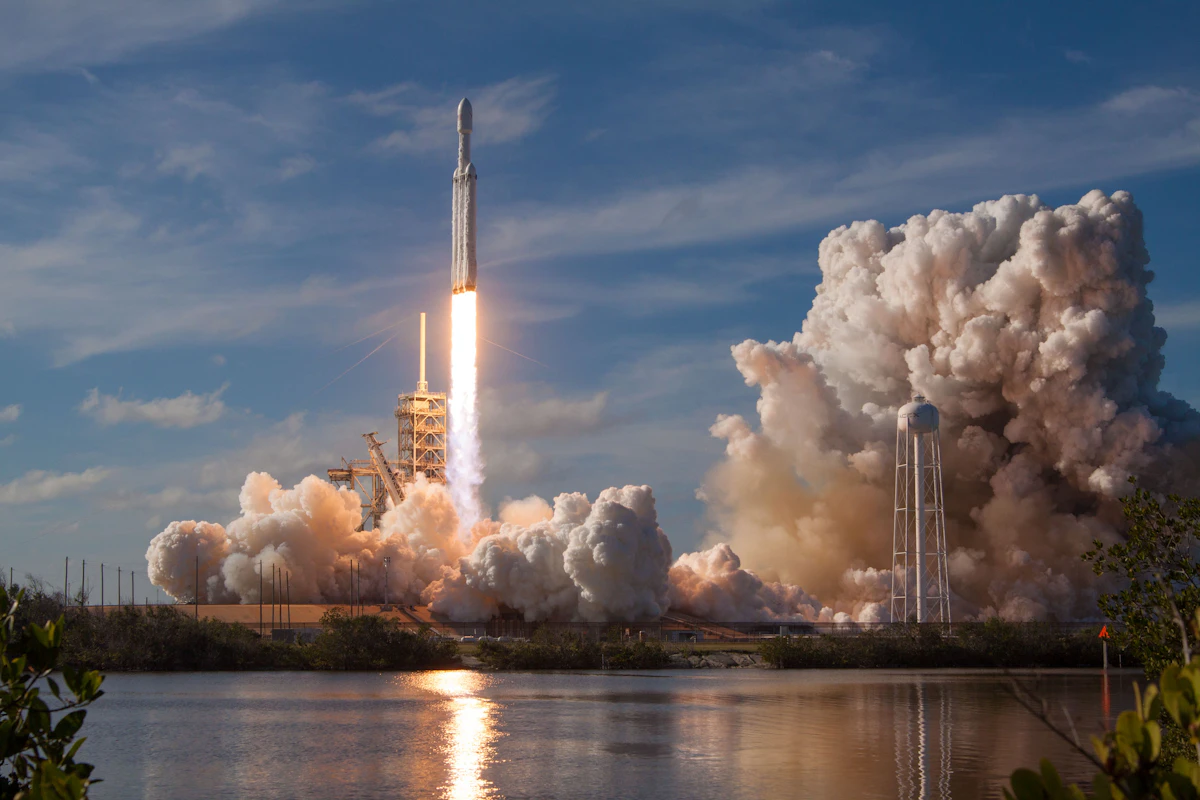
It is the strangest sight in modern spaceflight: a 70-metre-tall rocket booster, falling out of the sky at supersonic speed, slowing itself with a burst of flame, and settling gently onto a landing pad or into the arms of a tower, ready to fly again. Ten years ago it looked impossible. Today SpaceX lands boosters routinely, and the same idea is being scaled up to Starship, the largest rocket ever built. Here is how a rocket lands itself, in plain English, and why it matters so much.
Why Land a Rocket at All?
For sixty years, rockets were thrown away after one flight. Every launch meant building a new first stage, which is the most expensive part of the rocket, and throwing it into the ocean. SpaceX's insight was simple: if aeroplanes were thrown away after one flight, nobody could afford to fly. Reusing the first stage cuts the cost of a launch dramatically, and it also cuts the time between launches, because you do not have to build a new rocket each time. The Falcon 9 first stage now flies ten, fifteen, even twenty times, and the savings are what made frequent launches, Starlink and cheap rides to orbit possible. Starship takes the idea further: both the Super Heavy booster and the Starship spacecraft itself are designed to be caught and reused, which is why SpaceX built the Mechazilla tower with its giant chopstick arms.
The Three Burns That Bring It Home
A Falcon 9 booster lands in three burns. First, after the second stage separates, the booster flips around and fires three of its nine Merlin engines for the boostback burn, steering itself back toward the landing zone. Then, as it falls back into the atmosphere, it fires the reentry burn, using its engines as a shield against the heat of reentry, while four grid fins, small wings near the top of the stage, steer it with surprising precision. Finally, a few kilometres above the ground, it fires the landing burn: a single engine throttles down and the booster slows from hundreds of kilometres per hour to a gentle touchdown on its four legs. The whole sequence is guided by GPS and an onboard computer that makes hundreds of adjustments per second, because a human could never react fast enough. The booster has no pilot. It lands itself.
Why Landing Is So Hard
The hard part is not the engine. It is the physics. A rocket stage is mostly an empty fuel tank, tall and light, falling through the atmosphere at several times the speed of sound, and it has to arrive at exactly the right place, at exactly the right speed, with almost no fuel left. The margin for error is tiny: come in a fraction of a second too late and the booster hits the ground at highway speed. The engines have to relight reliably after the cold of space, the grid fins have to steer a tumbling cylinder in supersonic wind, and the landing legs have to absorb the final impact. SpaceX failed many times before it succeeded, and the early landing attempts ended in spectacular explosions that were broadcast live. Each failure taught the engineers something, and each success made the next landing more routine. Today the landing burn is so reliable that audiences barely react to it, which is the real measure of how far the technology has come.
From Landing Legs to Chopsticks
Starship changes the landing method entirely. Instead of legs, the Super Heavy booster is caught in mid-air by the Mechazilla tower, whose two giant arms close around the booster's small lifting pins as it hovers beside the tower. The first successful catch, in October 2024, was one of the most extraordinary moments in spaceflight history: a 70-metre booster, still glowing from reentry, sliding gently into the arms of a tower and hanging there, intact. The reason for catching rather than landing is weight: legs are heavy, and every kilogram of legs is a kilogram of payload that cannot fly. Catching also means the booster is already back on the launch mount, ready to be stacked and flown again quickly. The same idea will eventually apply to the Starship spacecraft itself, which is designed to be caught the same way.
What Reusability Means for Spaceflight
Reusable rockets have already changed what is possible in space. They made it economical to launch thousands of Starlink satellites, to fly astronauts to the space station regularly, and to offer rides to orbit at a fraction of the old price. If Starship's full reusability works as planned, the cost of reaching orbit could fall again by an order of magnitude, which would make large space stations, Moon bases and Mars missions affordable in a way they never have been. The next time you watch a rocket land itself, remember what you are seeing: not a stunt, but the moment spaceflight stopped being disposable. The rocket that lands is the rocket that flies again, and that is what will take us to the Moon and beyond.
More from FreeSky Cosmos